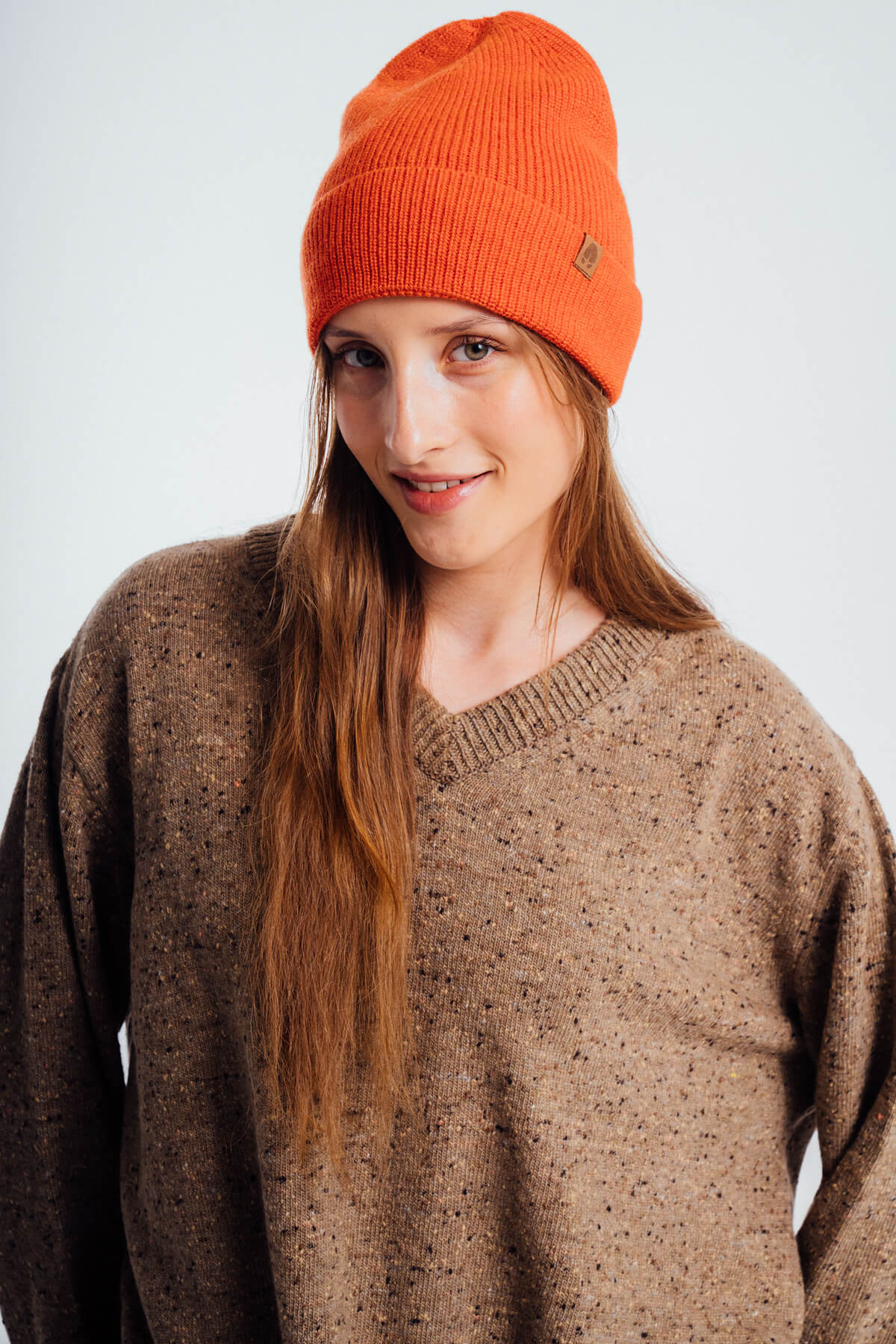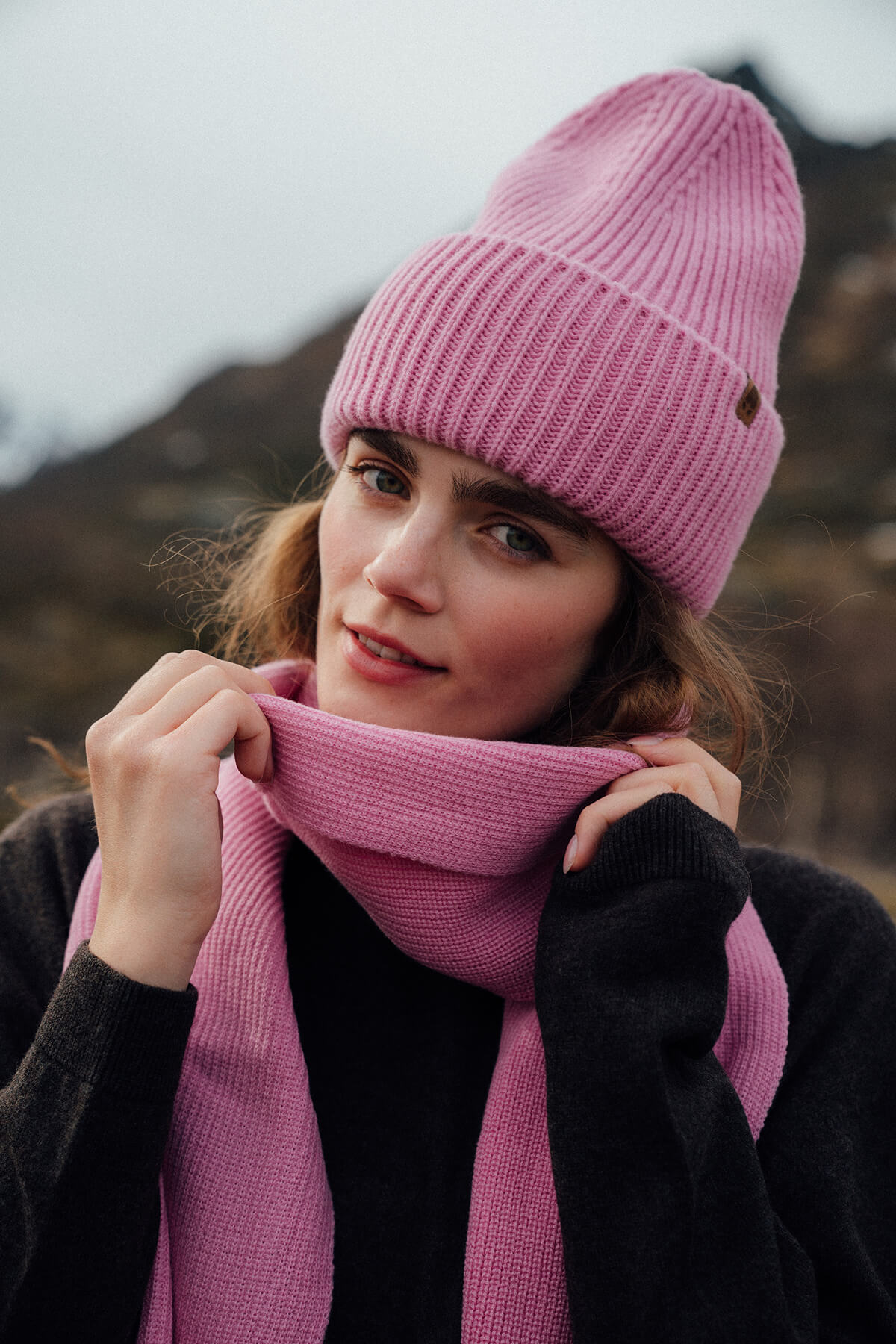
Wool, like other natural fibres, is prone to pilling. This is especially common in areas exposed to friction, but it doesn't necessarily mean the material is poor quality. As you probably already know, merino wool is our favourite fibre. We love it for its softness, breathability and natural temperature-regulating properties. It works beautifully in both winter and summer, and is used to make everything from sweaters and hats to underwear and sportswear.
The type of yarn, the way the fabric is knitted, and how you wear and care for your clothes all make a difference. That's why it's worth understanding what's simply part of the nature of wool and what comes down to everyday use. Below, we'll look at why pilling happens, how wool quality affects it, ways to prevent it, how to remove those little bobbles, and the everyday care habits that help protect your favourite merino pieces and keep them looking their best for longer.
If you wear merino and have ever wondered where those tiny bobbles come from and how to keep them to a minimum, you're in the right place.
What Is Fabric Pilling?

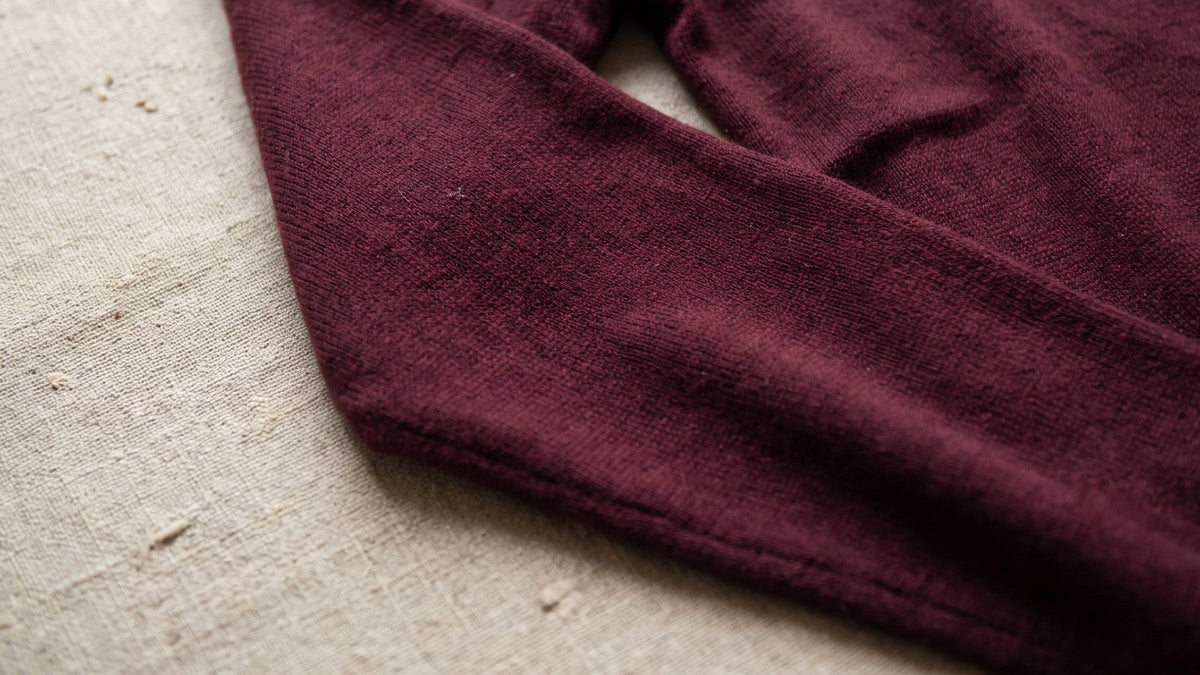
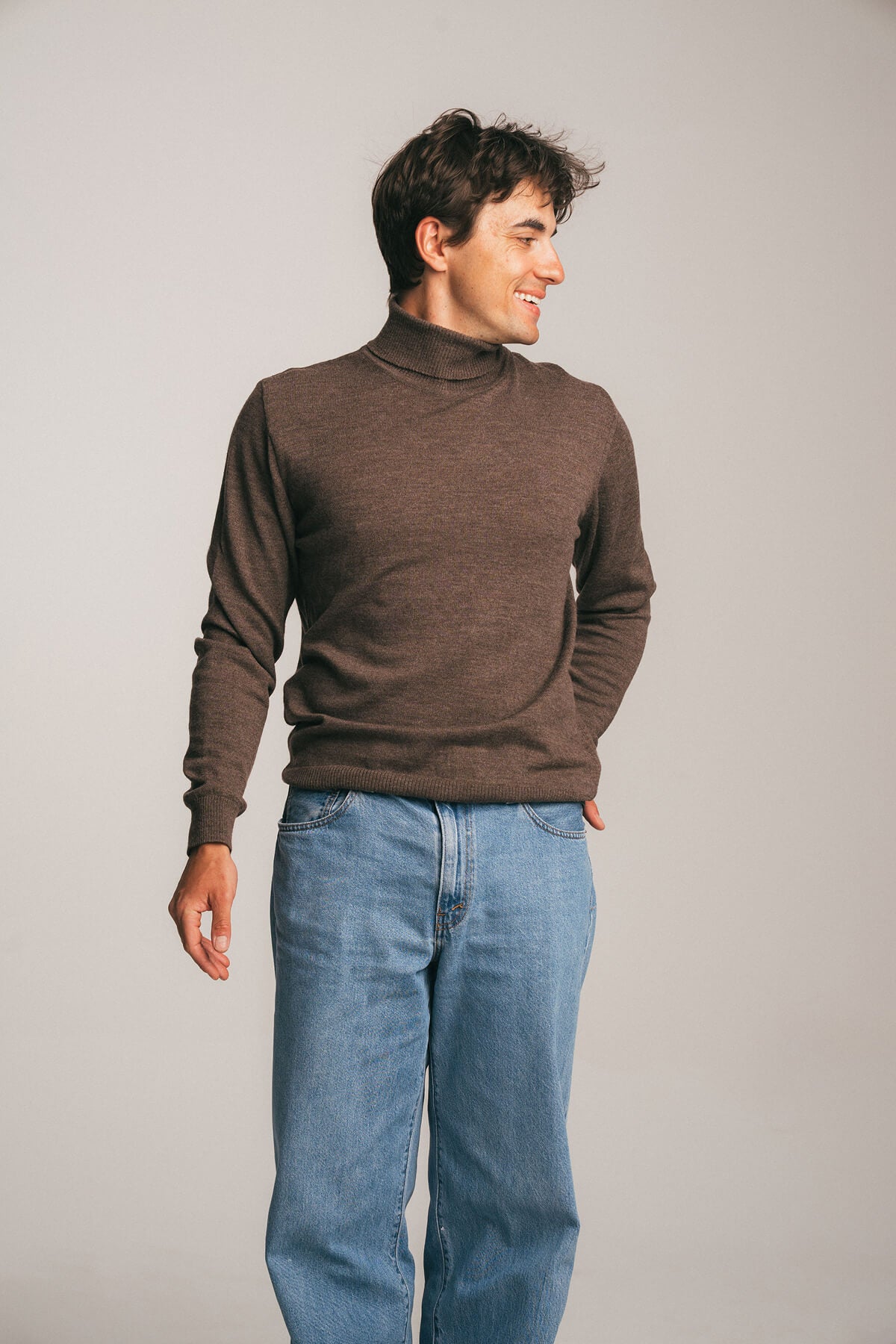
Pilling is a natural process in which loose fibres work their way to the surface of a fabric and become tangled together, forming small balls or bobbles. With merino wool, you'll often notice them under the arms, on the sleeves, along the sides of a sweater or wherever a backpack rubs against the fabric.
Merino fibres are fine and resilient, but rubbing against other surfaces can cause little clusters of fibres to form. How much pilling occurs depends on the fabric's construction, how often you wear it and how you wash it. Your everyday habits matter, too.
The areas most likely to pill are those where the fabric regularly rubs against itself or other materials. A rough jacket, a bag strap or tightly layered clothing can all speed up the process.
It's worth remembering that pilling isn't unique to wool. Bobbles can also appear on knitwear made from other fibres, including cashmere and synthetic blends. Felting, on the other hand, is a different process. It happens when wool fibres become more tightly interlocked, potentially causing the fabric to shrink and lose its original shape.
Pilling can also be a temporary phase. It's often more noticeable when you first start wearing a garment and may gradually become less intense and less visible over time.
Does the Quality of Merino Wool Matter?
Yes, although even high-quality merino wool can pill. Fibre length, spinning techniques and knit structure all play a role. The fabric's finishing process also matters, as does how often you wear it and under what conditions.
Merino wool is generally soft and delicate to the touch. Its fibres are typically three to four times finer than human hair and considerably finer than those of traditional coarser wool. This is why merino garments often feel more comfortable against the skin. That doesn't mean everyone experiences them in the same way, though. Some fabrics may still irritate sensitive skin. If you've ever wondered whether merino wool is itchy, the answer depends on fibre thickness, knit construction and your individual skin sensitivity.
Will 100% merino wool pill? Yes. Natural fibres are still affected by friction. Adding polyamide or nylon can improve resistance to abrasion, although the result depends on the proportions used and the yarn's construction.
Some drawbacks of merino wool include the need for gentle care and the possibility of pilling or losing its shape if washed incorrectly. Still, its natural qualities – including breathability, elasticity and a reduced tendency to retain odours – make it a wonderful choice for cold days, workouts and everyday wear. It keeps you warm in winter and helps your body stay comfortable in summer, making it a versatile fibre all year round.
And what about merino versus cashmere? It depends on what you're looking for. Cashmere is loved for its luxurious softness, while merino is particularly well suited to practical, everyday clothing, including sportswear. Both fibres need gentle care and both can pill. We've also compared these two materials in more detail on our blog – take a look here.
How Can You Prevent Merino Wool from Pilling? Is Hand Washing the Only Answer?
The most important things are reducing friction and avoiding unnecessary washing. Airing your clothes regularly in a well-ventilated space helps freshen them up and release odours, so you don't always need to put them straight into the washing machine.
What Causes Merino Wool to Pill, and How Can You Prevent It?
You can't completely prevent merino wool from pilling, but a few simple habits can make a real difference. Here's what tends to speed up the process and how to protect your favourite wool pieces.
| What causes pilling? | How to reduce it |
|---|---|
| Friction from backpacks, bags or jackets | Try to minimise contact with rough surfaces. |
| Frequent washing | Air your clothes and wash them only when needed. |
| Intensive washing and spinning | Choose a gentle cycle that follows the care label. |
| Rubbing during hand washing | Gently squeeze the fabric without scrubbing or wringing it. |
| Friction between garments | Wash merino inside out, preferably in a protective laundry bag. |
| Loose fibres on the fabric surface | Carefully remove bobbles with a wool comb or a suitable fabric shaver. |
Common causes of merino wool pilling and ways to keep it under control.
When washing merino wool, keep these simple rules in mind:
- Always check the care label.
- Turn your garment inside out and place it in a protective laundry bag if you're machine washing it.
- Choose a wool or delicate cycle, provided the care label allows it.
- Use a gentle detergent designed for wool and silk. Avoid regular washing powder, bleach and excessive fabric softener, as these may strip away lanolin and damage delicate wool fibres.
- If hand washing is recommended, use lukewarm water and avoid vigorous rubbing or wringing.
- Avoid sudden temperature changes and excessive friction, which can encourage felting.
- Always dry your garments flat, with enough space between them and gently reshaped.
High temperatures aren't the only concern. The movement of the washing machine drum and how you handle wet wool also matter. Not every merino garment is machine washable, so always follow the manufacturer's care instructions. Be careful with the spin cycle, too – it can be particularly harsh on delicate knits.
After washing, gently press out excess water without wringing the garment. Lay it flat to dry, away from radiators, direct heat and strong sunlight. Don't use a tumble dryer unless the care label specifically allows it. For more detailed advice, read our merino wool washing guide.
How to Remove Pilling from Merino Wool

If little bobbles have already appeared on your garment, don't worry – they can be removed. The key is to take your time and avoid pulling at the fibres.
For light pilling, a special wool comb works well. A fabric shaver can also be effective, but it should be used carefully, with the garment laid flat and according to the manufacturer's instructions. Too much pressure can damage delicate knitwear.
Never pull bobbles off by force, as this may draw out more fibres. Avoid sharp tools, too, as they can easily snag the fabric.
Pilling is often most noticeable during the first few wears, but removing the initial bobbles doesn't guarantee it will stop completely. If your garment continues to rub against other surfaces, pilling may return.
The KOPYTO Loyalty Programme – Giving Your Wool a Little Extra Love

We've recently launched a loyalty programme here at KOPYTO, where our lovely customers can collect points with every purchase. We care deeply about making sure our products stay with you for as long as possible. That's why you can exchange your points for three special services:
- Care – a little refresh, steaming and pilling removal. We know a thing or two about caring for wool, and we'd be delighted to look after your woolly companions!
- Repair – if one of your woolly friends has had a little adventure and ended up torn or snagged, we'll do our best to put things right.
- Reset – if we decide there's no way back, usually because incorrect washing has caused the fibres to become densely felted, you'll receive a discount on a new sweater.
Take a look at the details and join the programme to enjoy a little extra care and support from us!
How to Care for Merino Wool Clothing Every Day

Merino wool naturally resists retaining odours and dirt, so it doesn't need frequent washing. Often, all it needs after wearing is a little fresh air. If you notice a stain, try spot cleaning it instead of washing the whole garment.
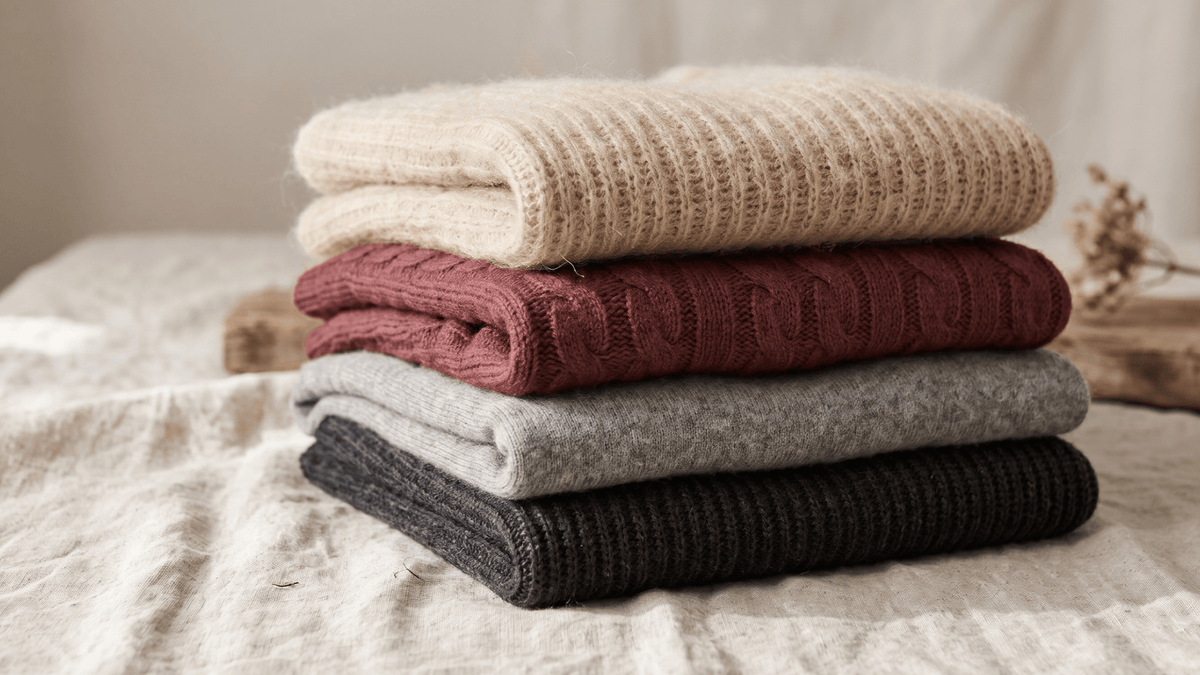
Sweaters are best stored folded rather than hung up, as hangers can stretch them out of shape. Hats, gloves and lightweight garments, including children's wool overalls, should also be kept away from rough surfaces. When storing your woollens between seasons, you might also like to add a little sachet of lavender or cedar to your wardrobe, as their natural essential oils can help deter pests.
Merino usually doesn't need ironing, as garments often regain their shape naturally after washing and drying. If the care label allows ironing, follow the recommended temperature settings, ideally using the wool setting.
There's no need to automatically take every wool garment to the dry cleaner, either. The best care method depends on the label and the construction of the particular piece.
With the right care, merino wool clothing can retain its softness and natural performance for a long time. Gentle washing, careful drying, regular airing and reducing friction are what matter most. These simple habits will help keep your favourite pieces in good condition, whether it's winter or summer.