Article: Worsted, Woollen and Boiled Wool – What’s the Difference?
Worsted, Woollen and Boiled Wool – What’s the Difference?
Wool can be smooth and elegant, fluffy or dense, with a pronounced texture or an almost satin-like finish. These differences are not solely down to the breed of sheep or the fineness of the fibres. How the raw wool is prepared and how the finished fabric is treated matter too. That is why worsted, woollen and boiled wool refer to different stages and methods of processing the material.
Understanding these terms makes it easier to choose fabric for a coat, jacket or home accessory. It also helps when buying wool roving for felting and crafts. Rather than judging a product by its photograph, colour or price alone, it is worth knowing what its name actually means.
Read on to discover how the different types of wool compare, which ones work best for crafts, and what makes the finished garments and accessories distinctive. We will also show you which types of yarn we use at KOPYTO and what we make from them.
Worsted wool – what is it, what are its characteristics and what determines its softness?
As its name suggests, worsted wool is made from fibres that have been combed. During combing, longer fibres are aligned in parallel while some shorter ones are removed. The prepared wool then goes through further stages, including spinning. The result can be an even, smooth and compact yarn suitable for woven and knitted fabrics with a neat, uniform surface.
Fabrics made from worsted yarn often have a clearly defined weave and a subtle sheen. They are used for suits, smart trousers, jackets and skirts, among other things. Their durability, however, depends not only on combing but also on the fibre type, yarn twist, fabric construction and care.
Worsted wool is most often associated with sheep’s wool, including merino fibres. Not all combed fibre has the same origin, though. In craft supplies, the term “roving” may also be used for other materials, such as viscose or cotton. This distinction matters: combing describes how the fibres are prepared, not necessarily what they are made of.
Some product descriptions refer to standard combed wool with a fibre diameter of around 26–28 microns. This is not a universal measurement. Fibre diameter varies with the origin and grade of the wool, so it is worth checking the specifications of the particular product before buying.
Wool roving for craft projects comes in many colours and pack sizes. Small portions may weigh 50 g, while larger packs can contain several kilograms. The amount you need depends on your project and technique, and on whether you are felting, spinning or making decorations.
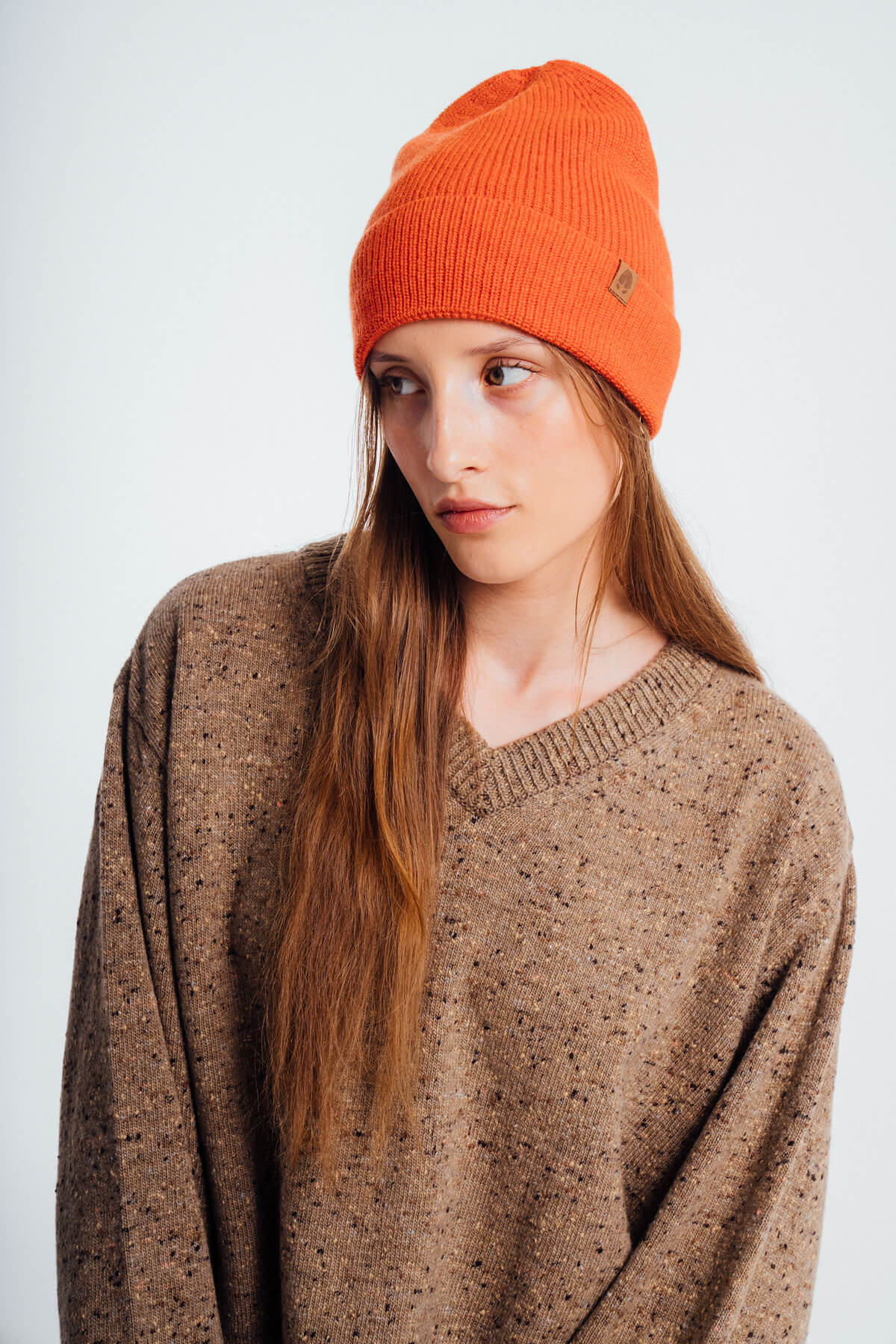
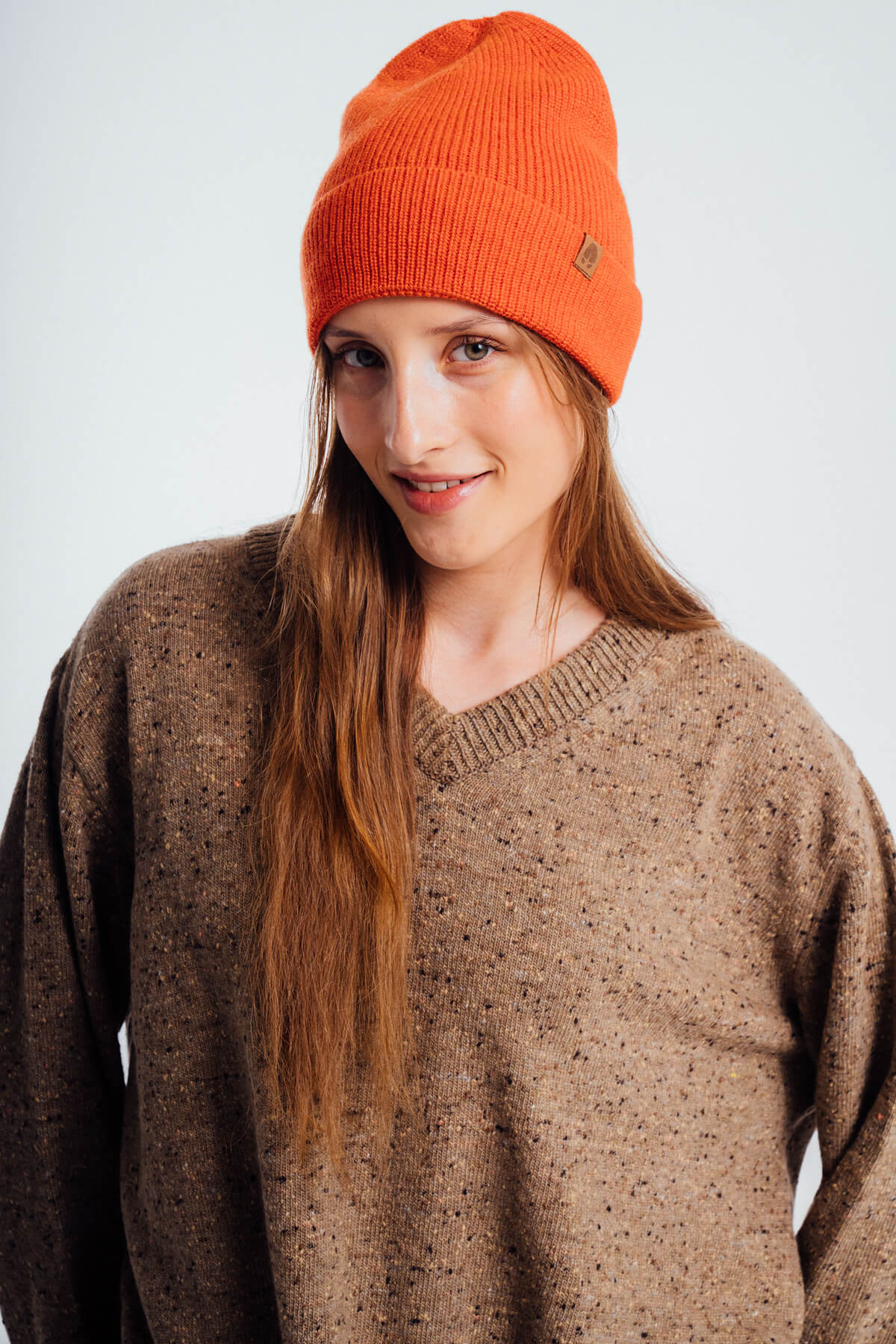
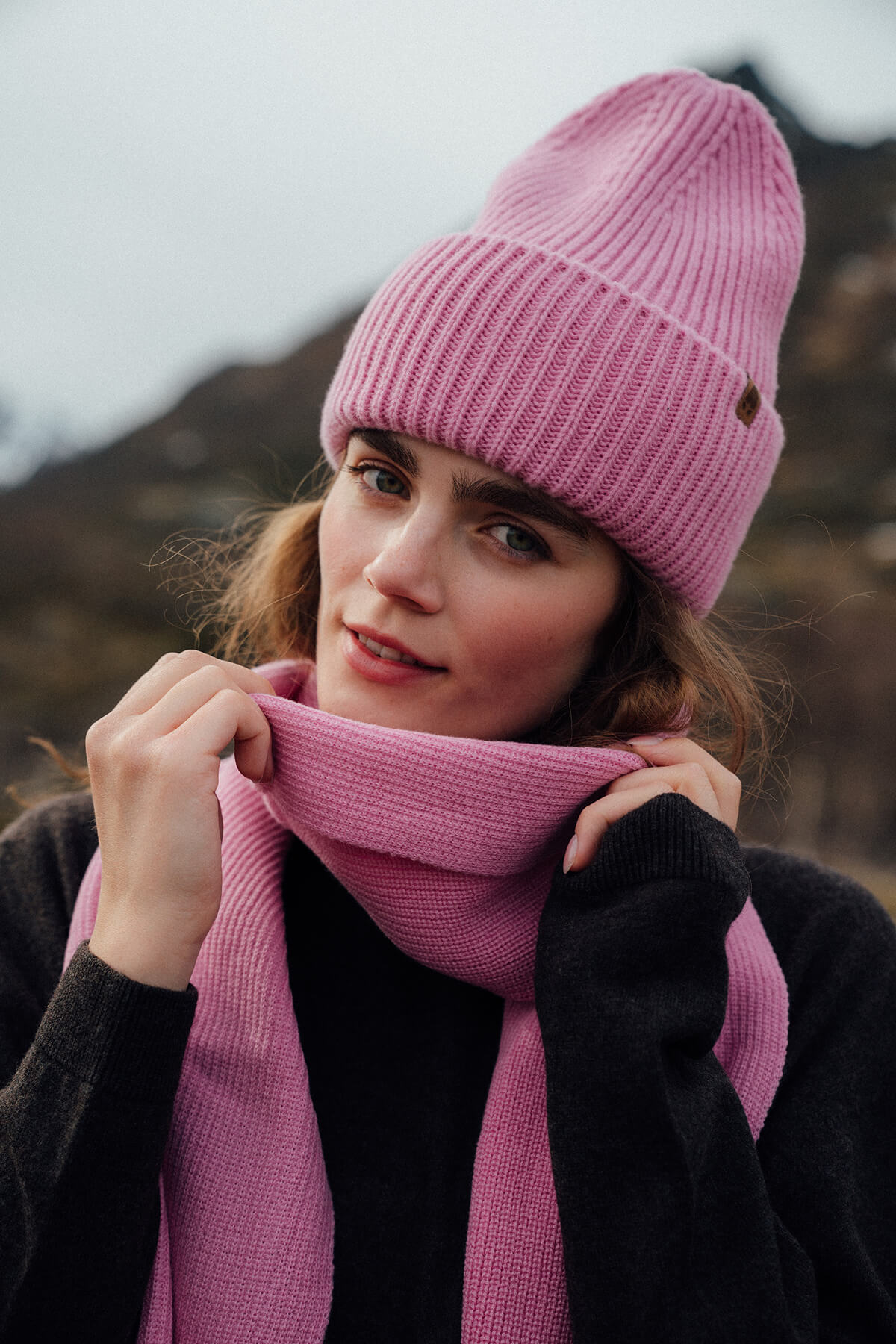
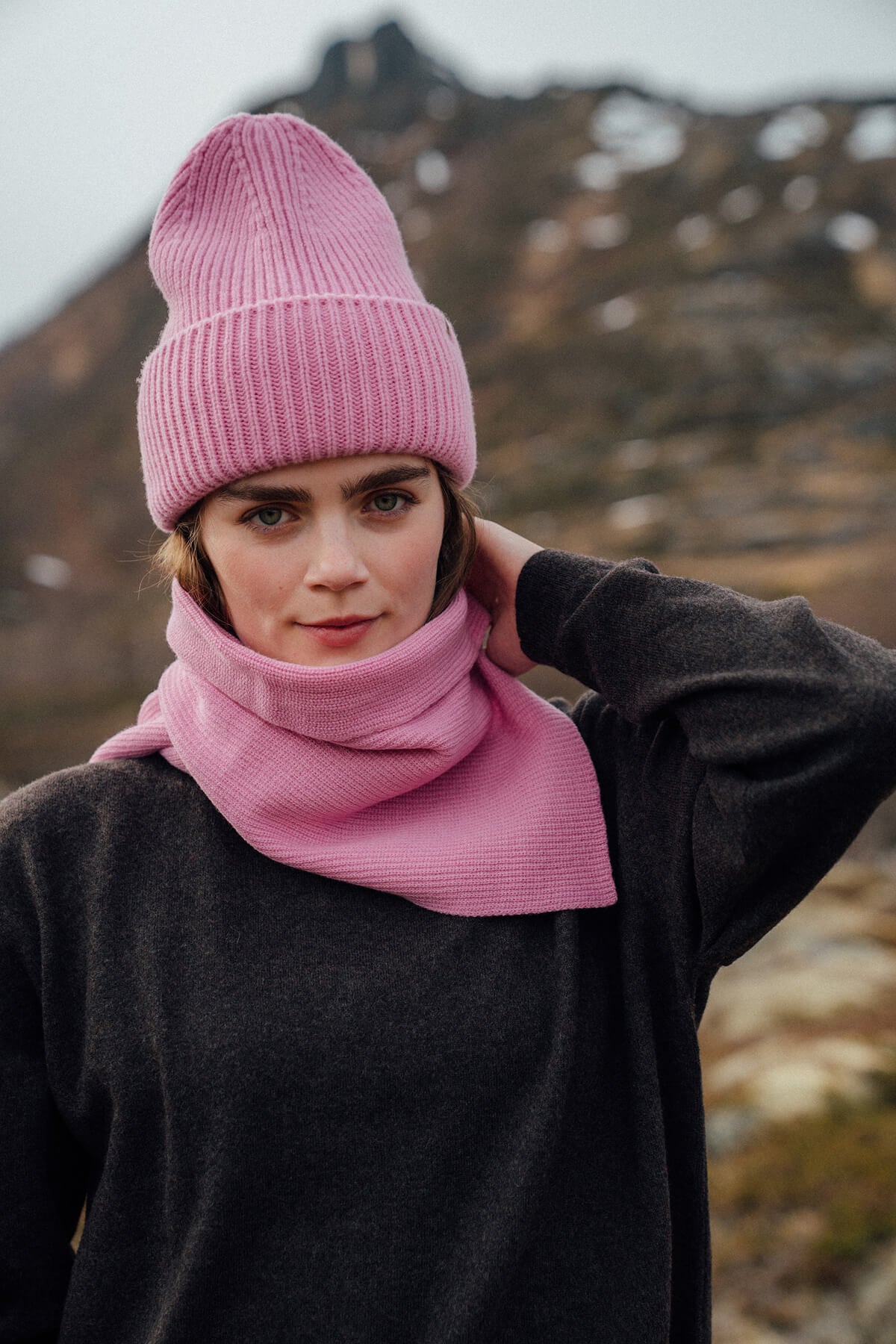
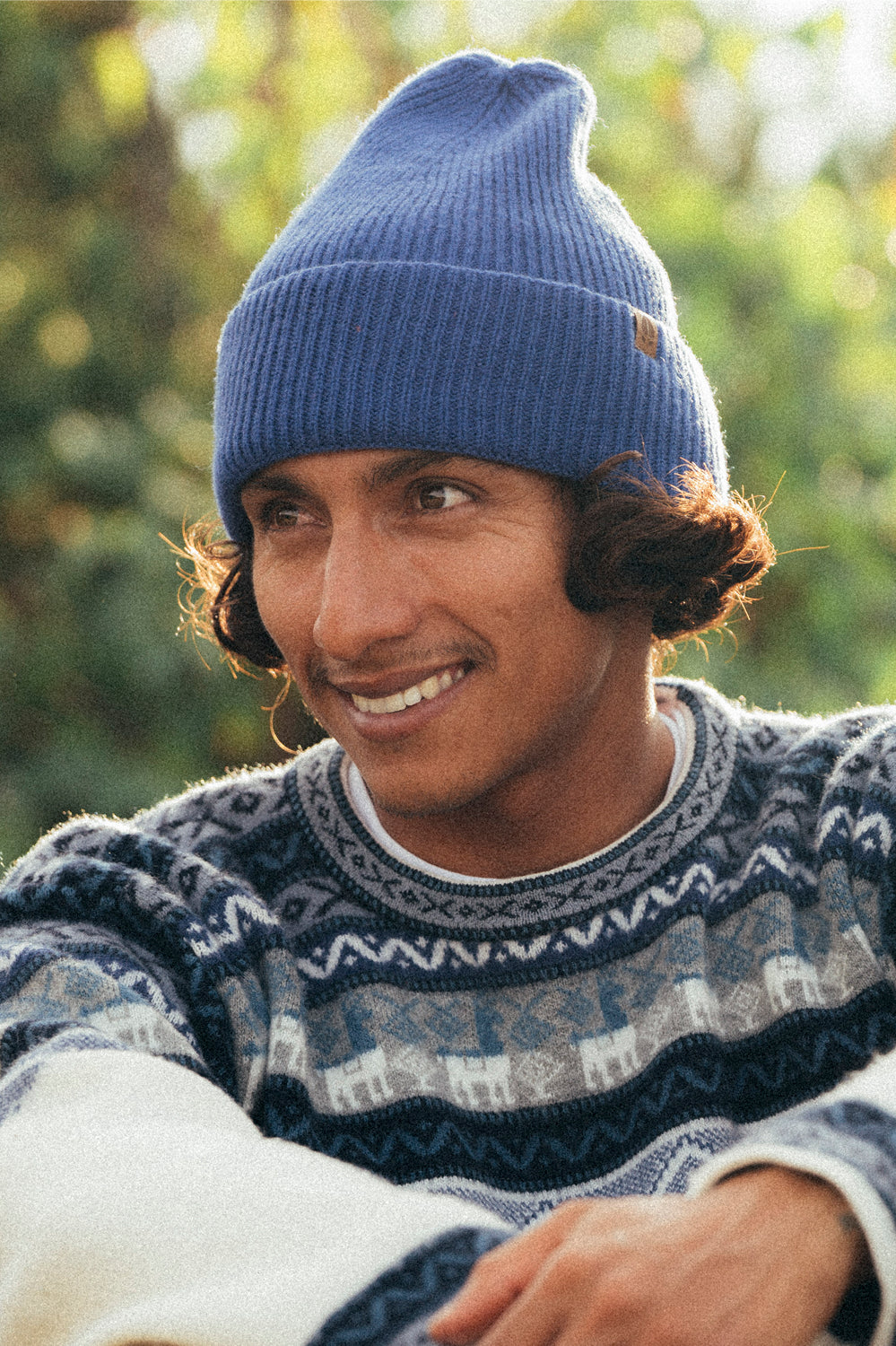
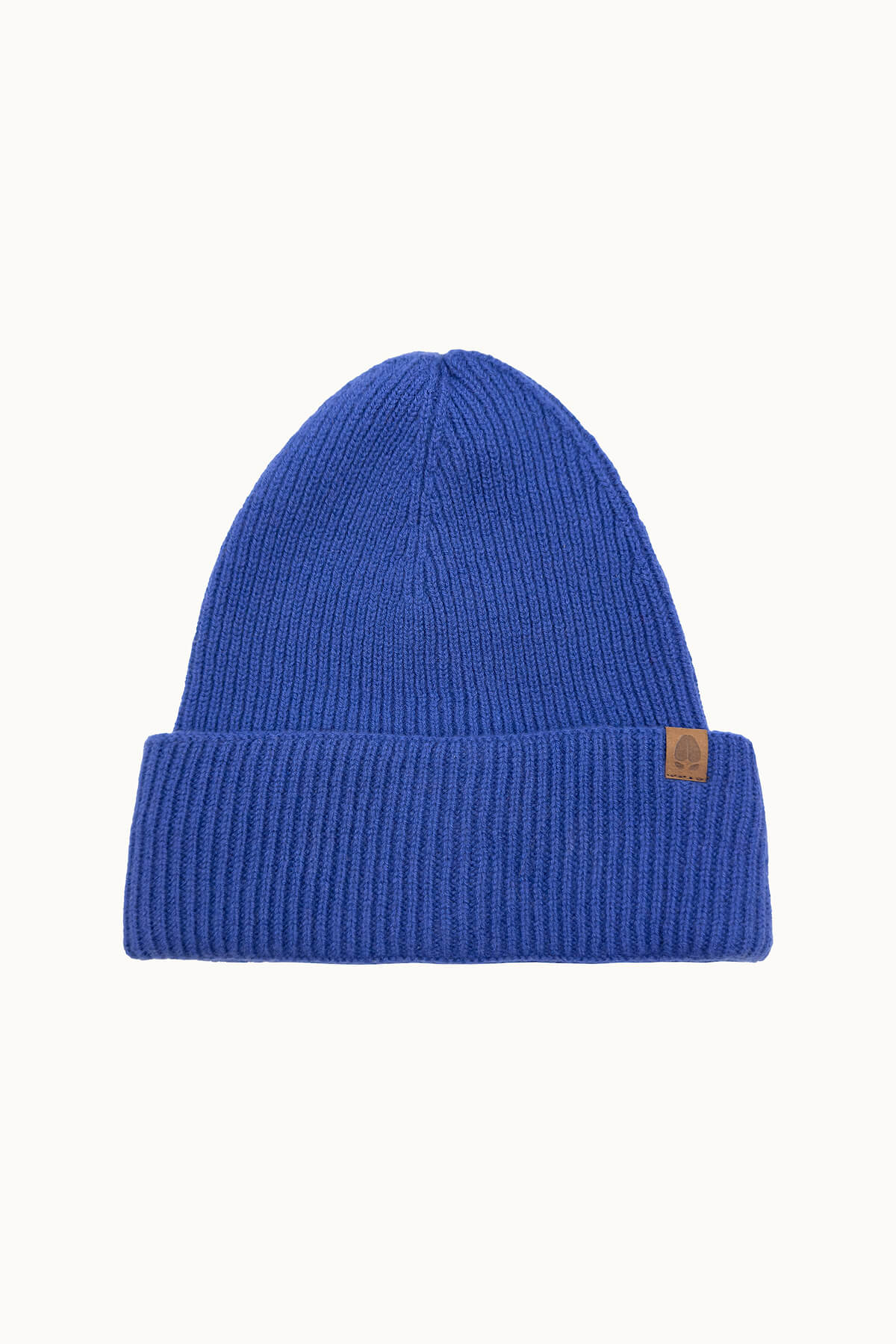
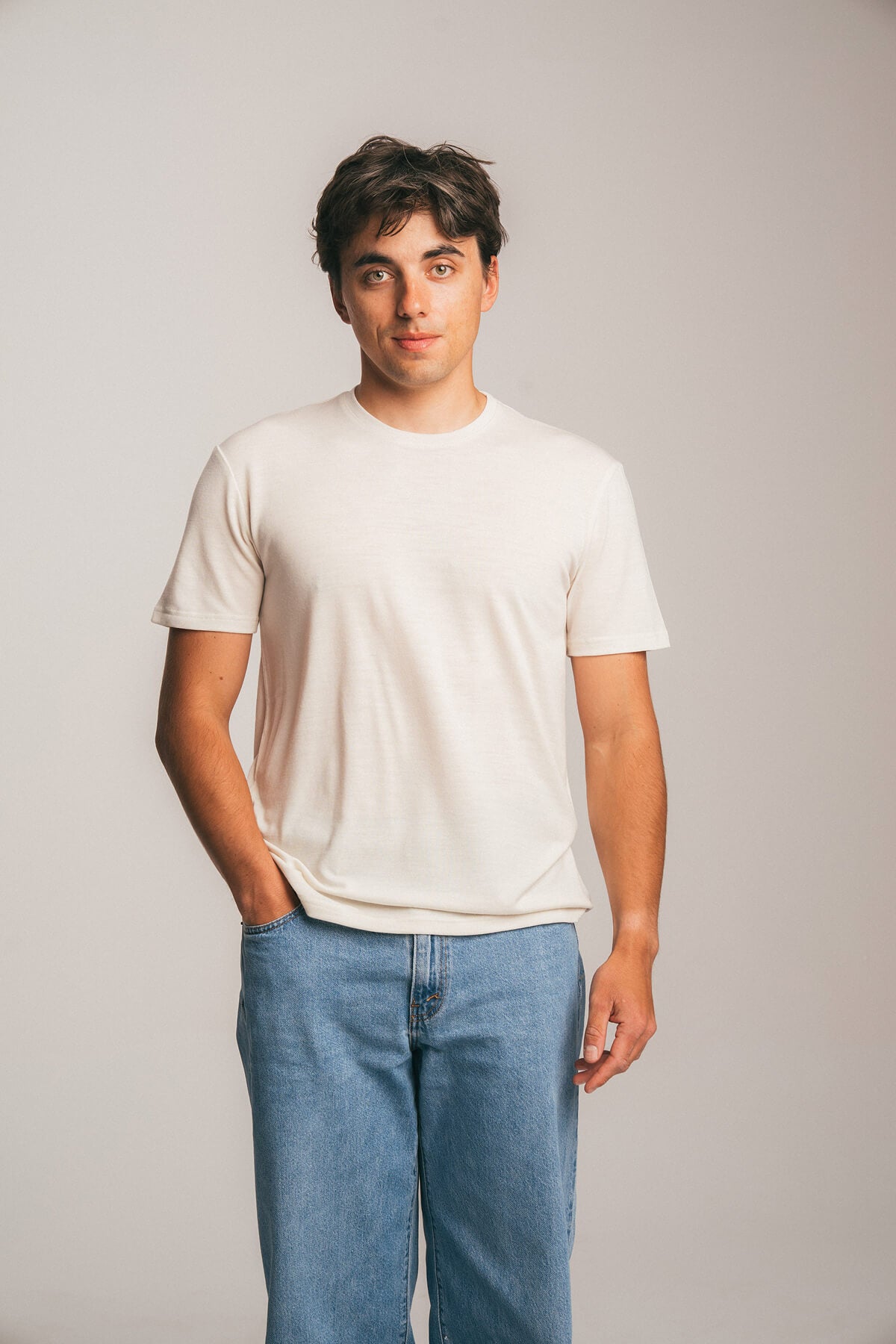
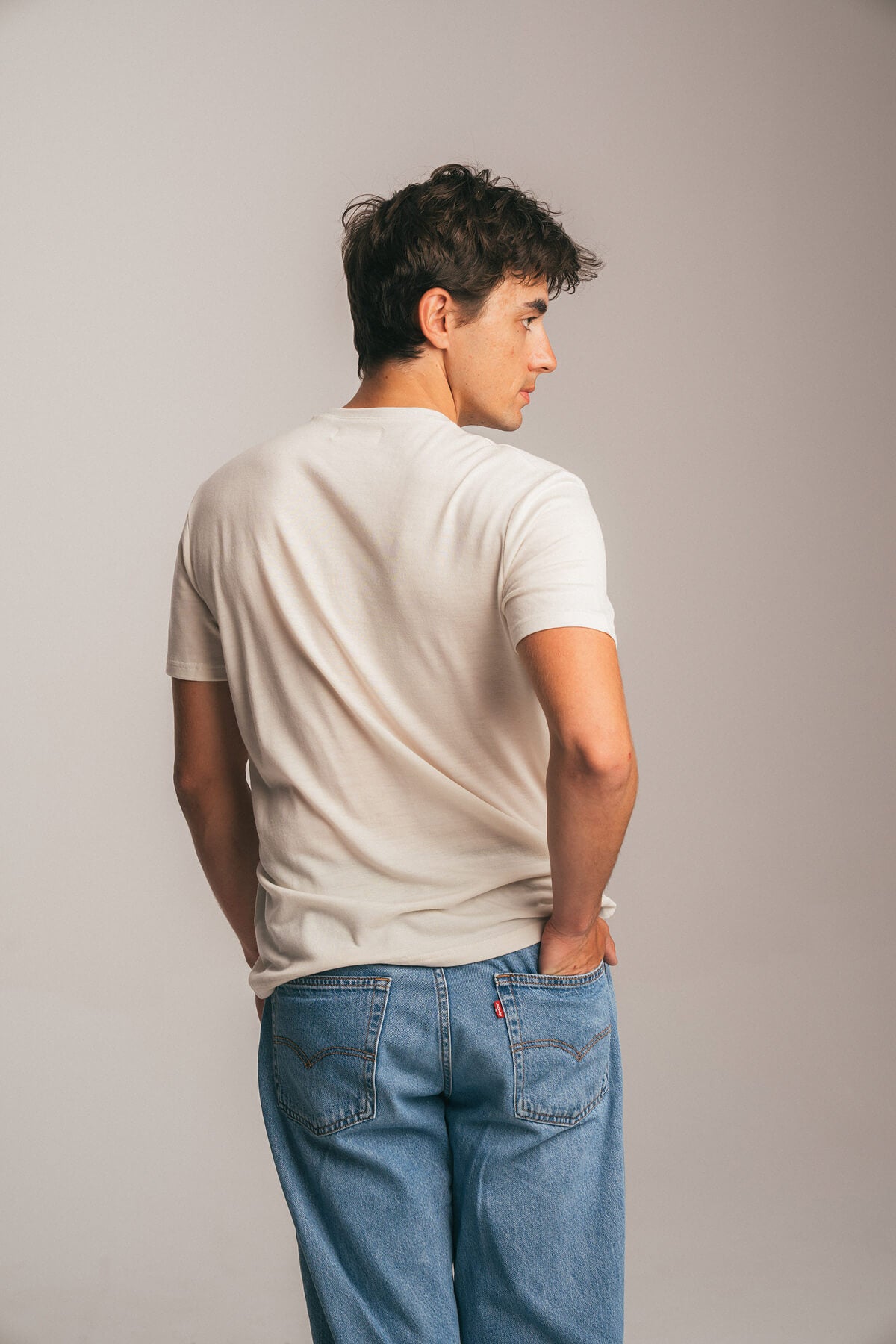
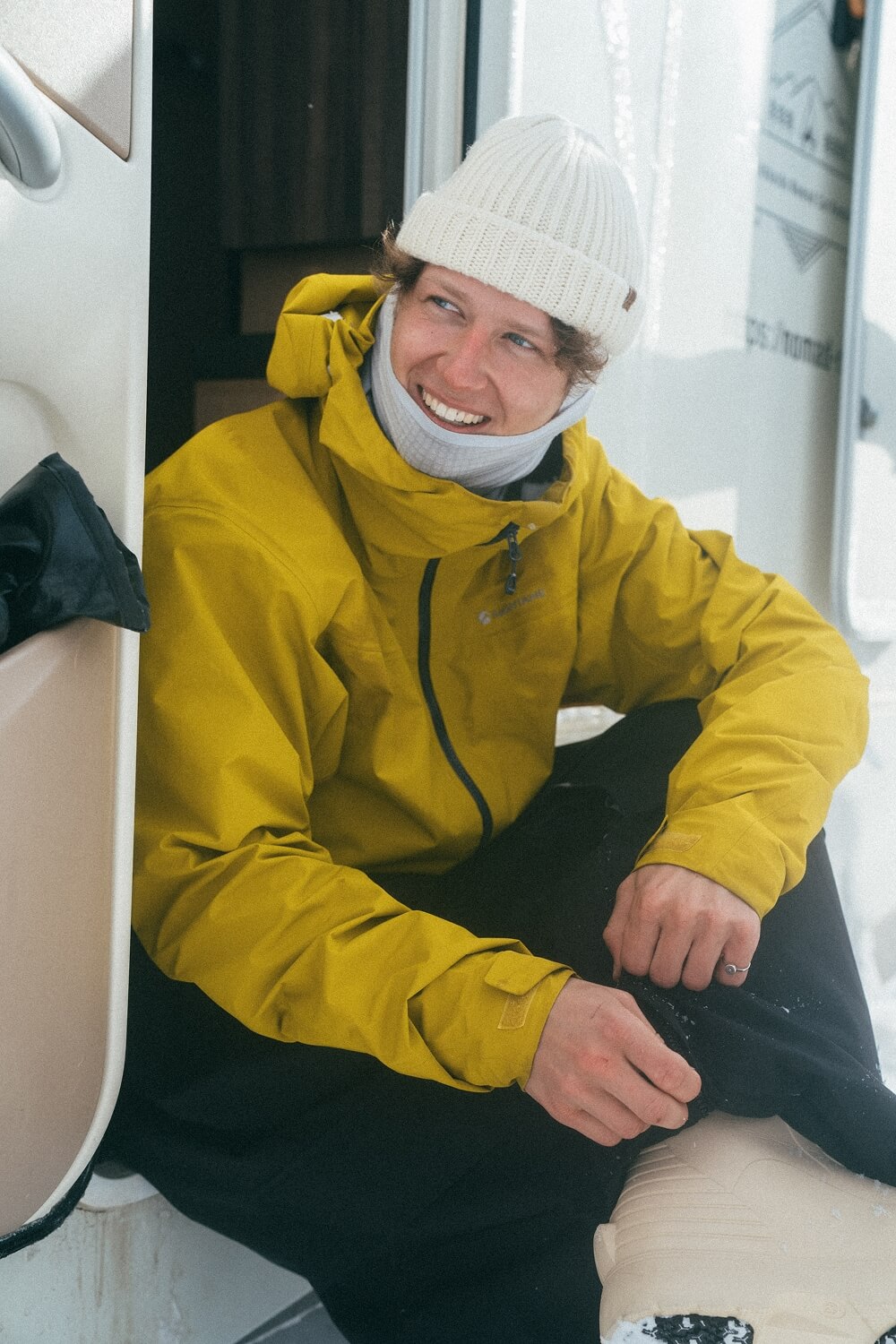
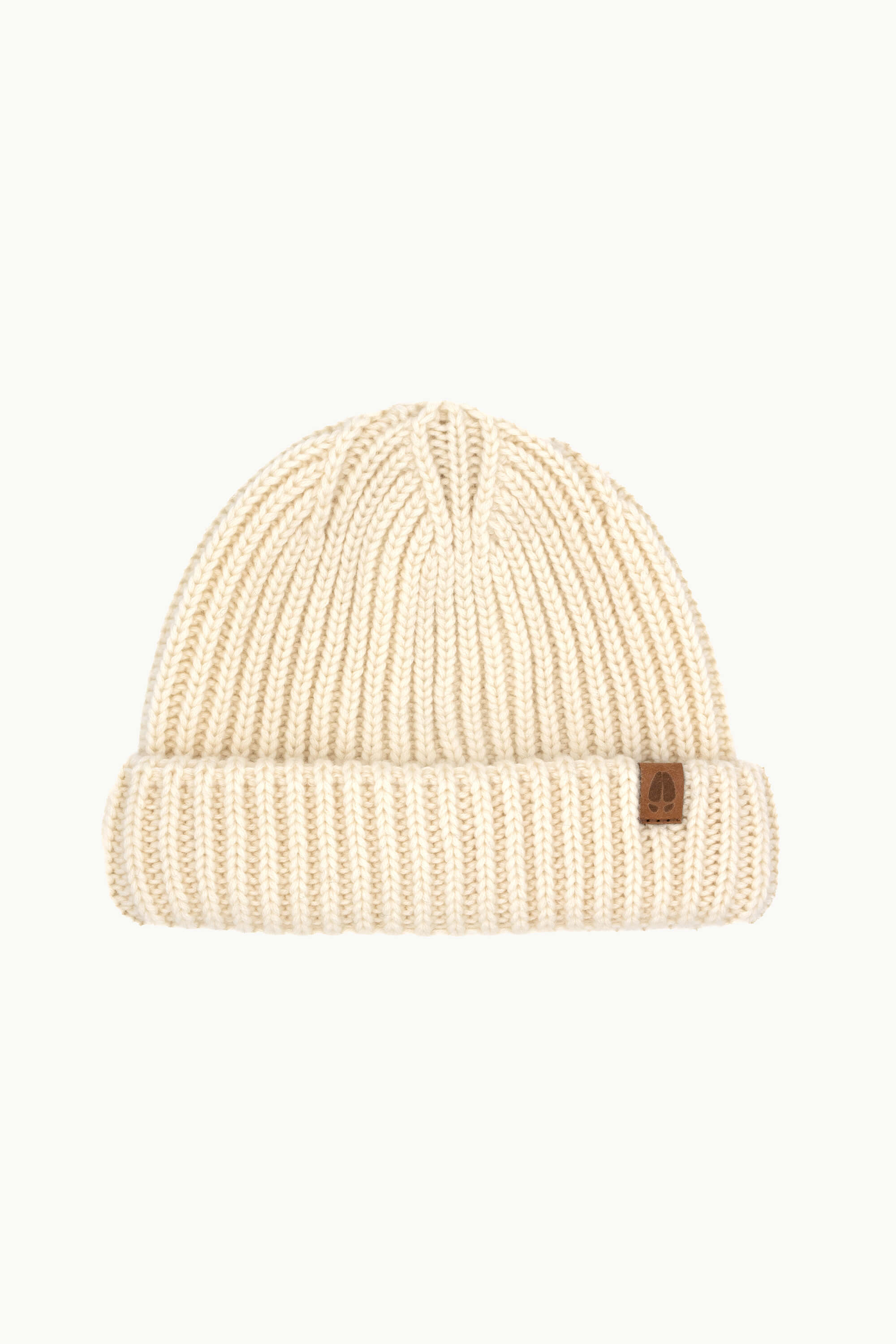
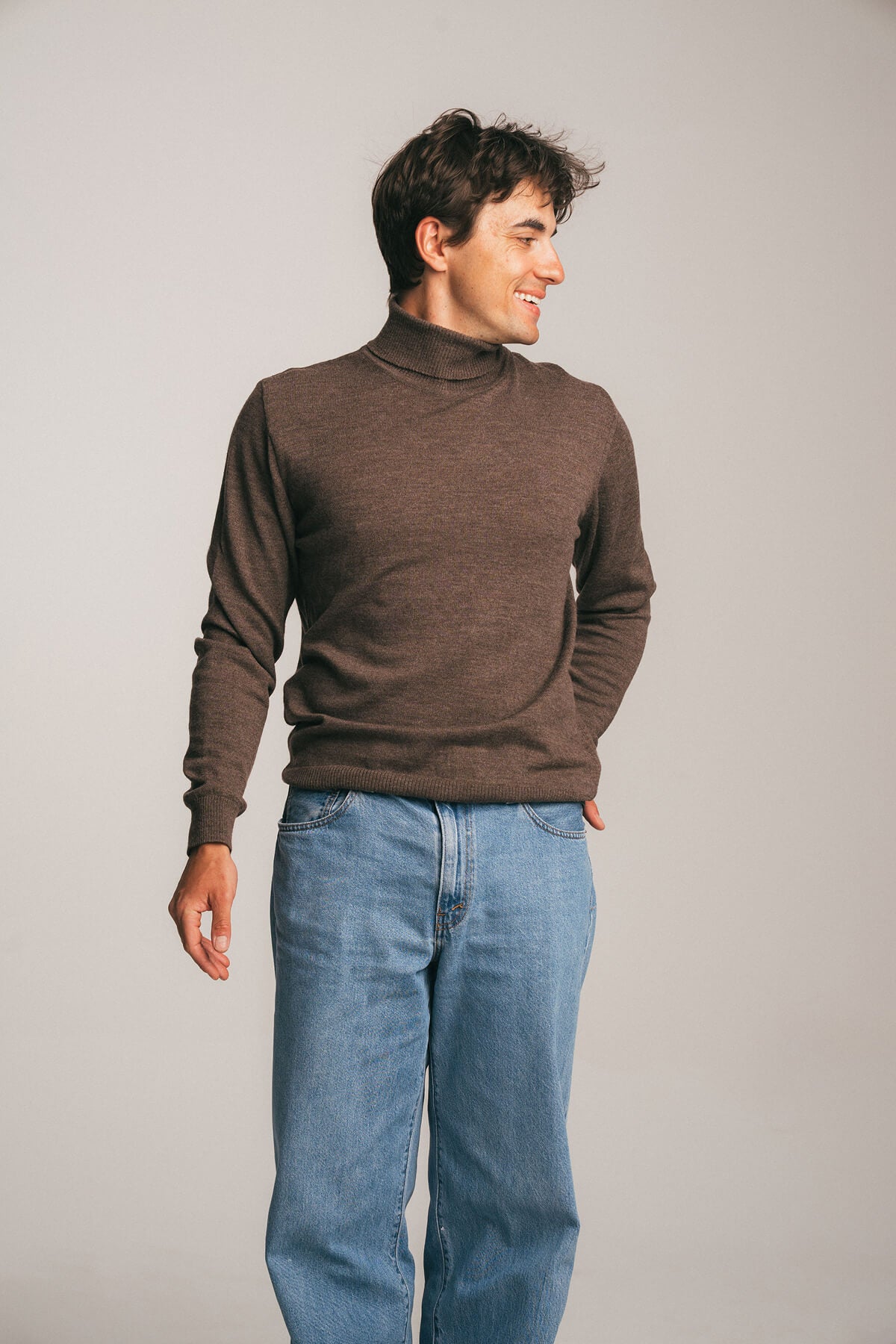
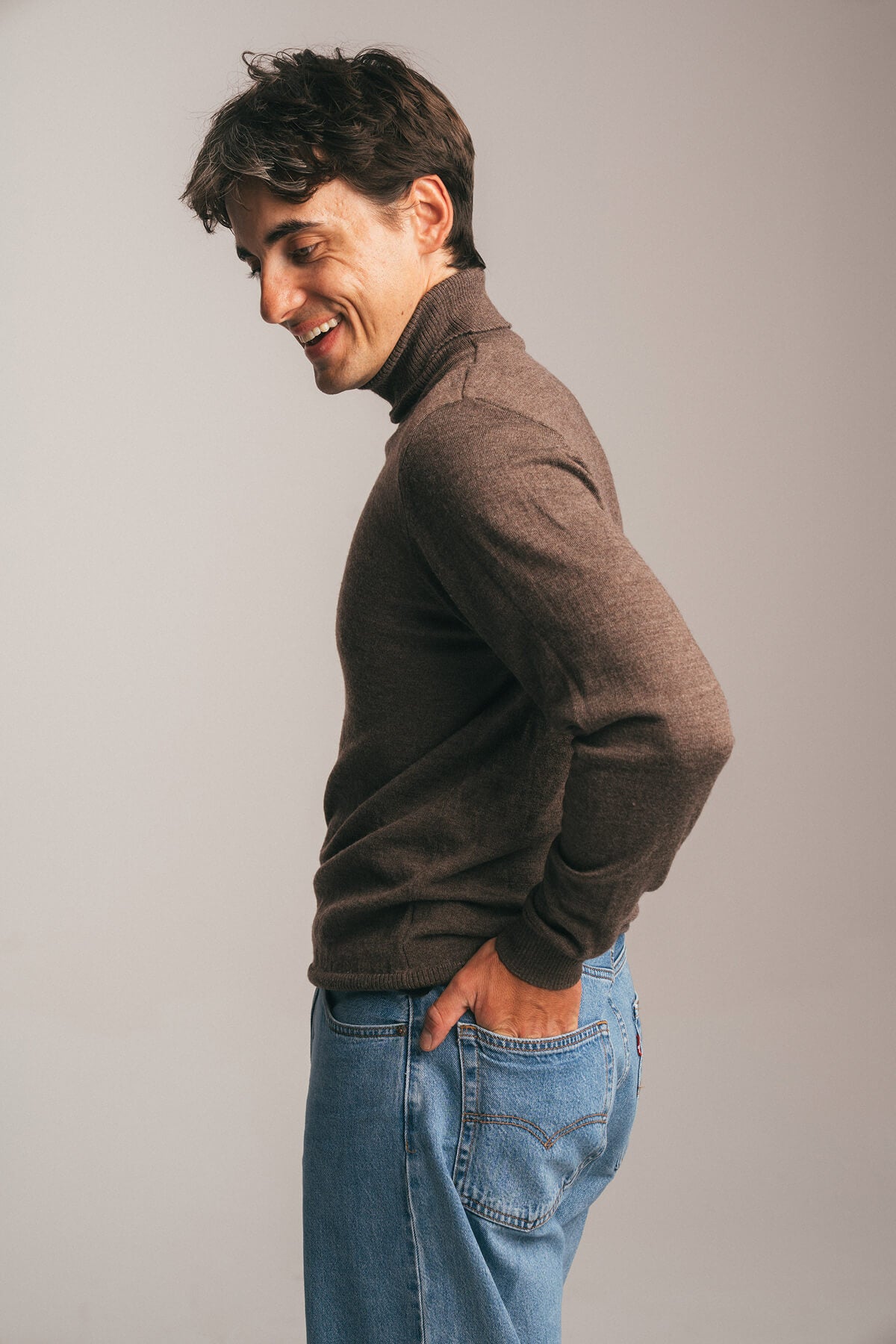
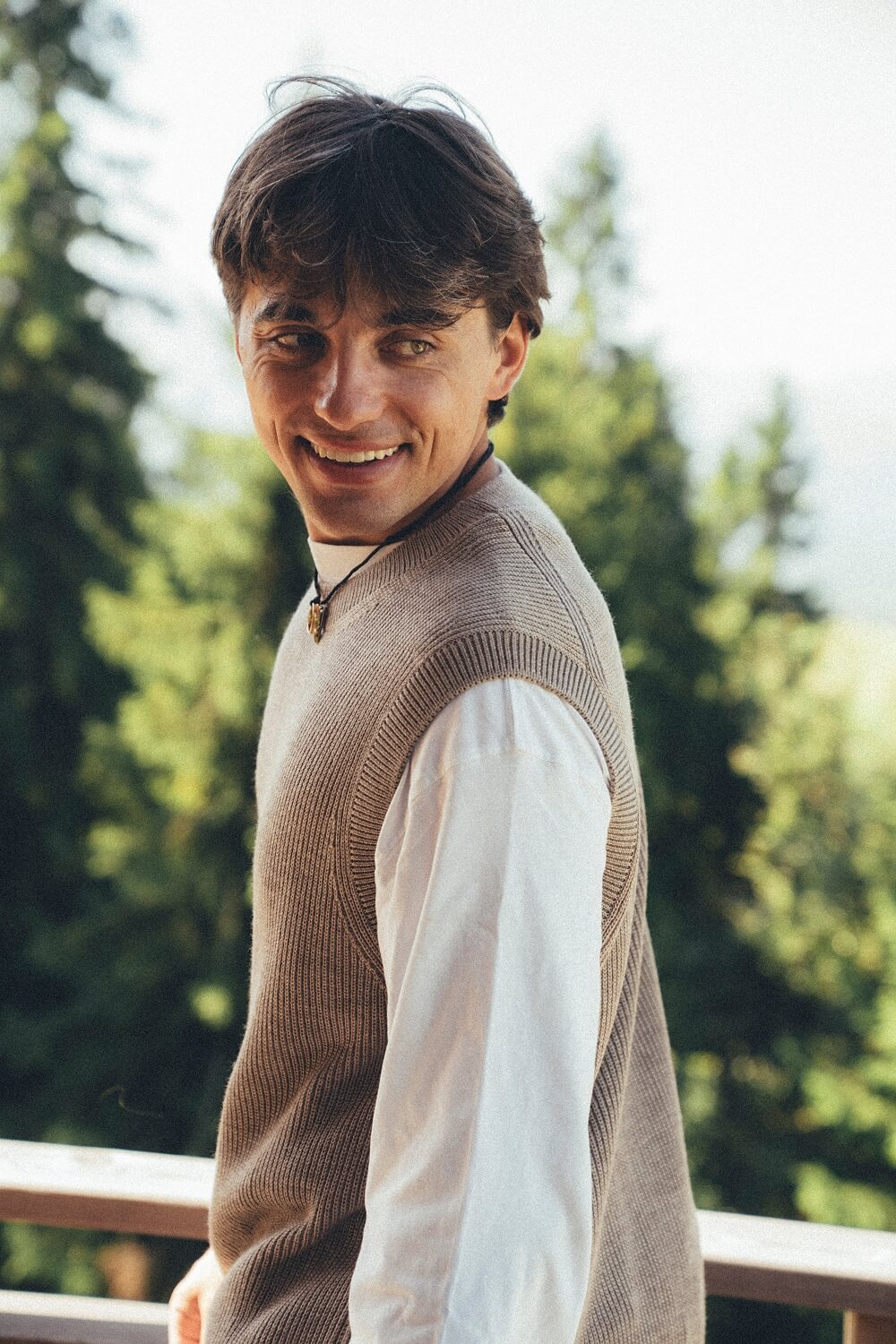
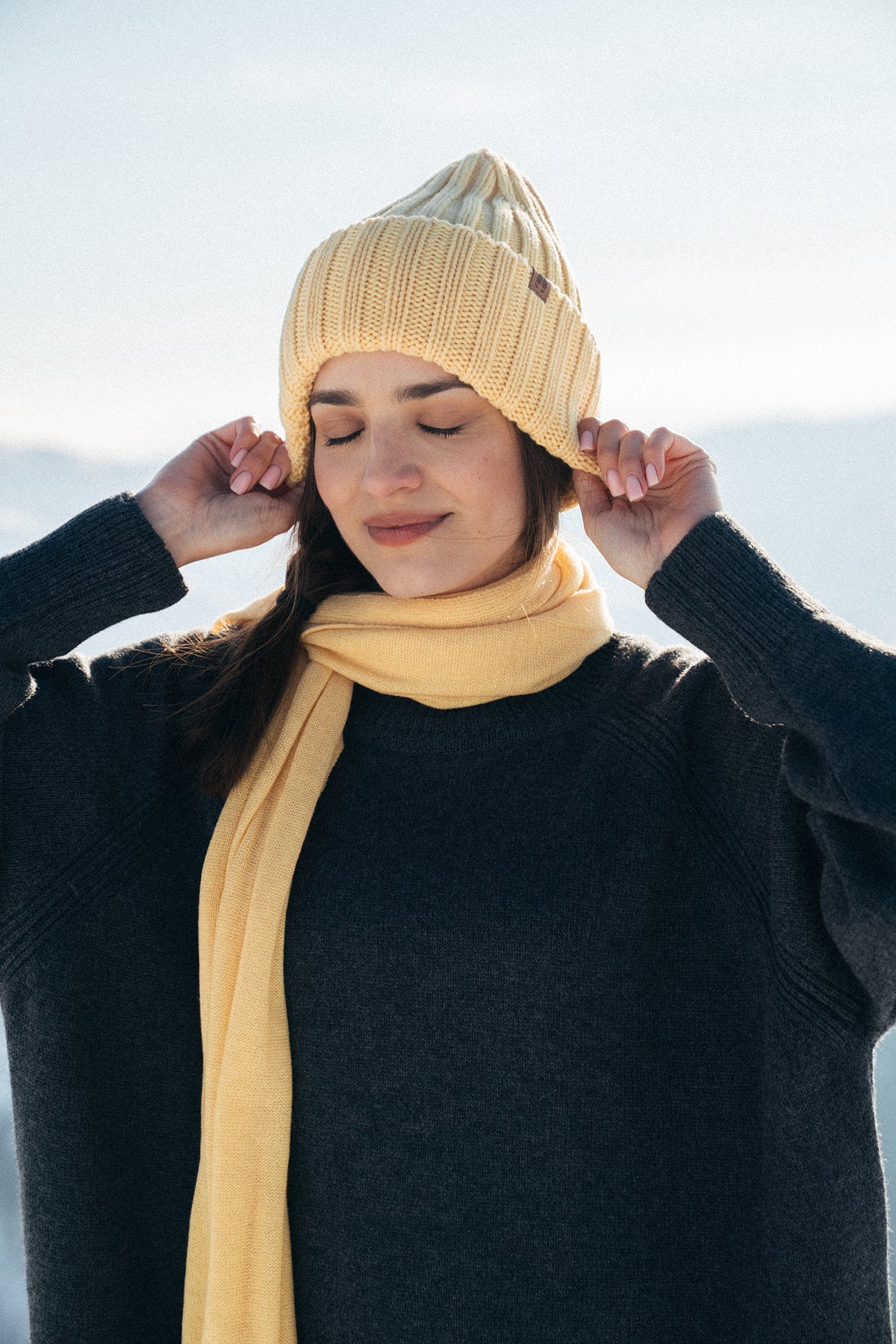
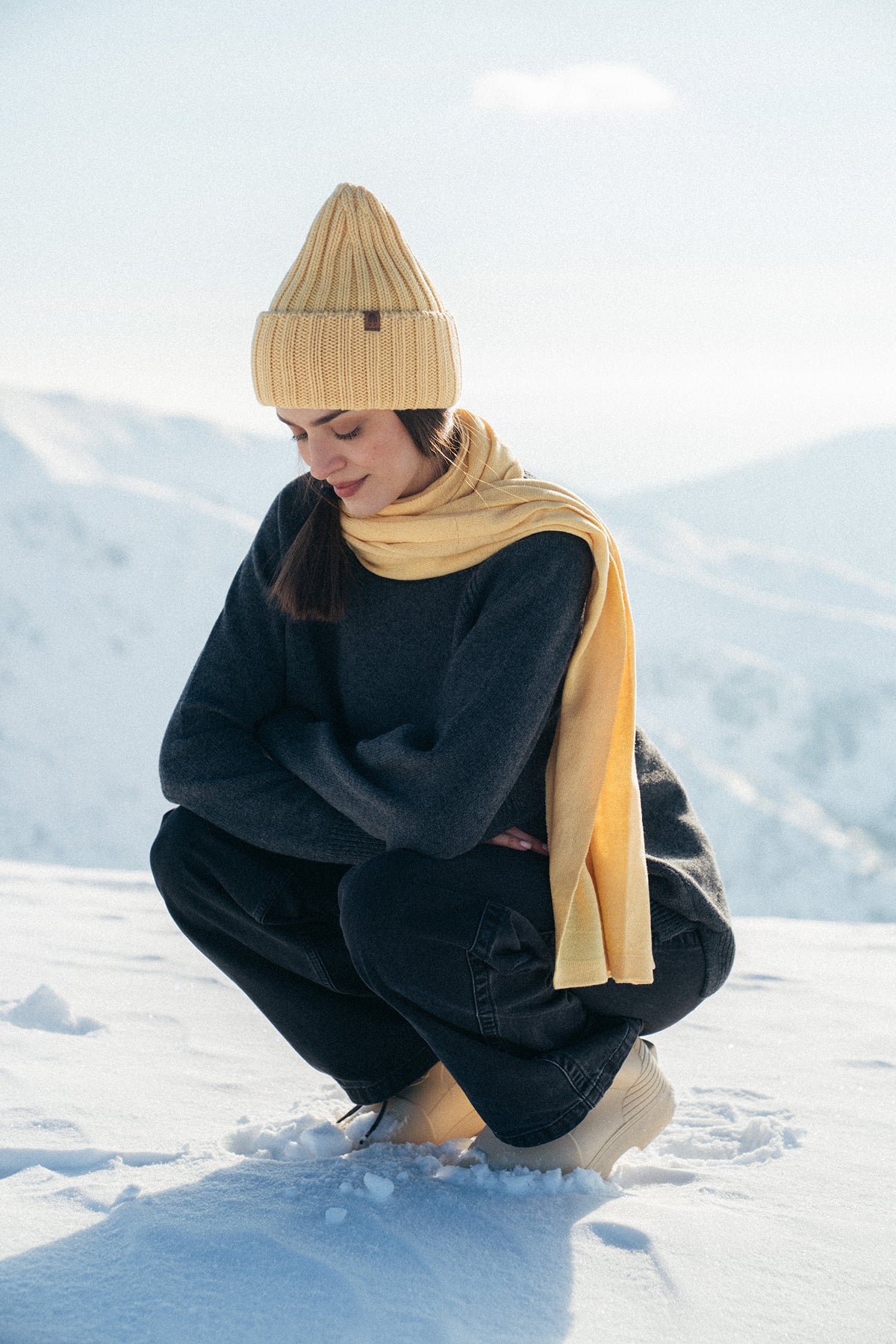
At KOPYTO, we label our products made from combed yarn as “smooth”, making them easy to find. We use it for lightweight, fine garments and accessories such as T-shirts, long-sleeve tops and neck warmers. Our classic beanies, as well as some sweaters and socks, are also made from worsted yarn. We think it is an excellent choice for activities such as cycling and skiing.
In the 2026 season, we introduced garments made from woven wool fabric for the first time. This was something entirely new for us: until then, we had worked exclusively with knitted fabrics. These smooth, refined woven fabrics are made from 100% RWS-certified merino wool. We are incredibly proud of the collection, and you have loved our elegant wool trousers and shirts!
Worsted vs woollen wool – the key differences
The main difference lies in how the fibres are prepared. During combing, fibres are straightened more thoroughly and aligned in parallel. Carding separates and loosens the fibres, leaving them arranged less uniformly. This affects the appearance of the yarn and, in turn, the surface and character of the finished fabric.
| Feature | Worsted fabric | Woollen fabric |
|---|---|---|
| Appearance | Usually smooth, with a clearly defined weave | Often fluffier and more matte |
| Yarn structure | Even, with fibres aligned in parallel | Softer, with fibres arranged less uniformly |
| Typical uses | Suits, trousers, tailored jackets | Tweed, flannel, heavier sweaters and outerwear |
| Character | Neat, often formal | Visually soft and more relaxed |
Comparison of the characteristics of worsted and woollen wool.

That does not mean one type is better than the other. Woollen fabrics can be fluffy and trap air effectively, helping to provide insulation. Worsted wool tends to be smoother and works well when a crisp, precise appearance matters; it can also be relatively easy to care for. Ultimately, comfort also depends on the weight, weave and composition of the material.
When choosing, consider the fabric weight, finish and intended use as well as its name. Smooth worsted wool may be ideal for classic trousers, while a more textured woollen fabric can suit a soft autumn jacket.
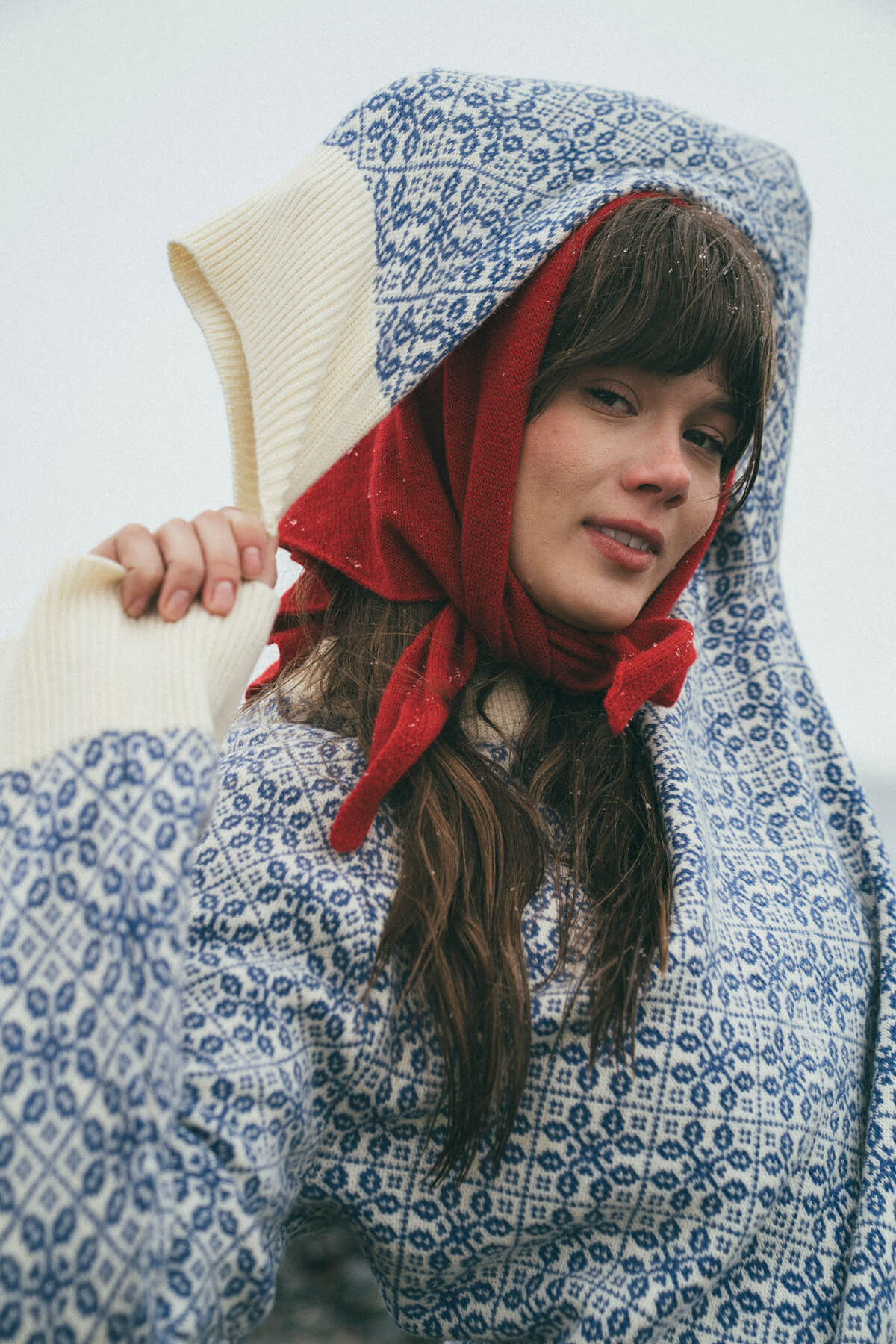
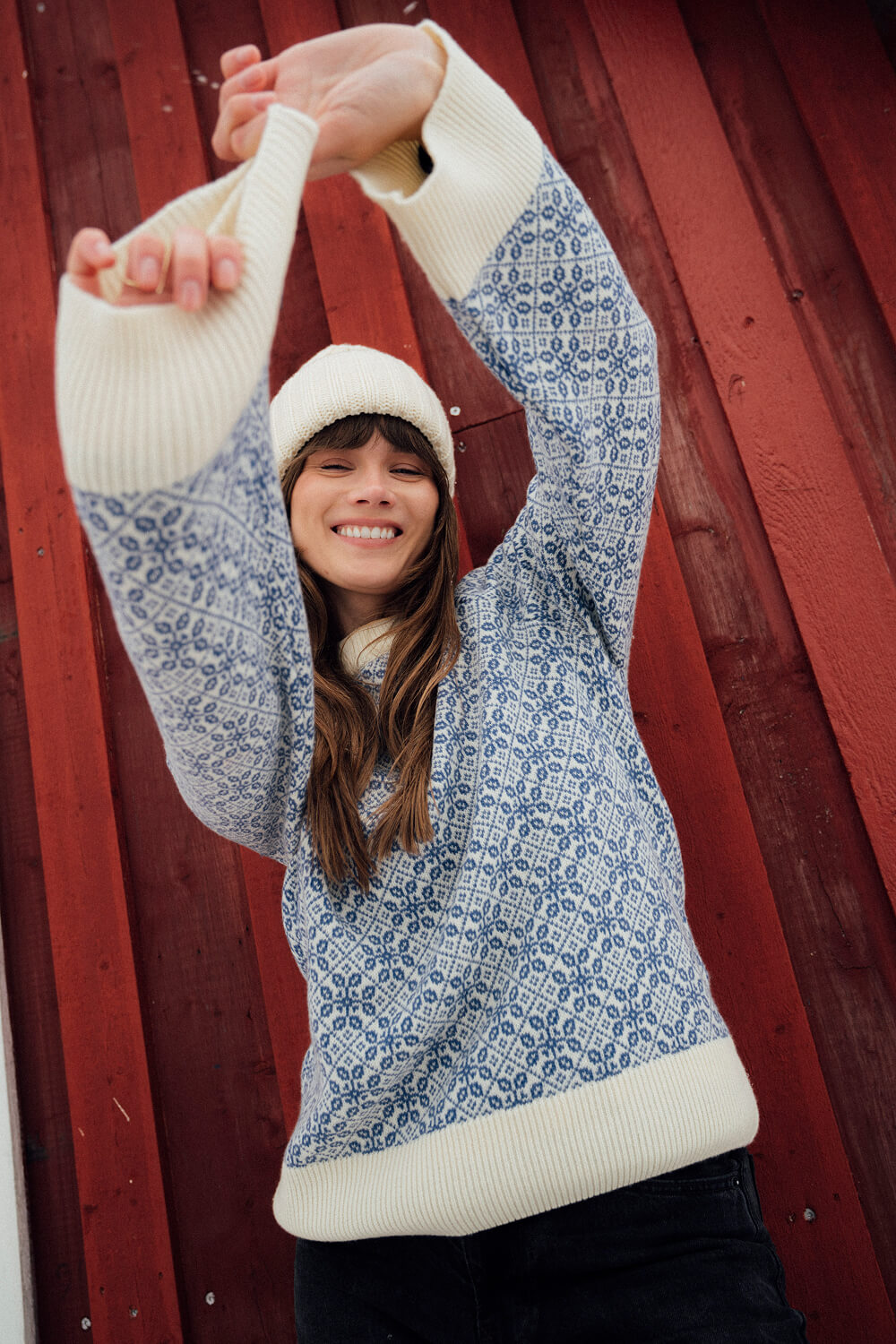
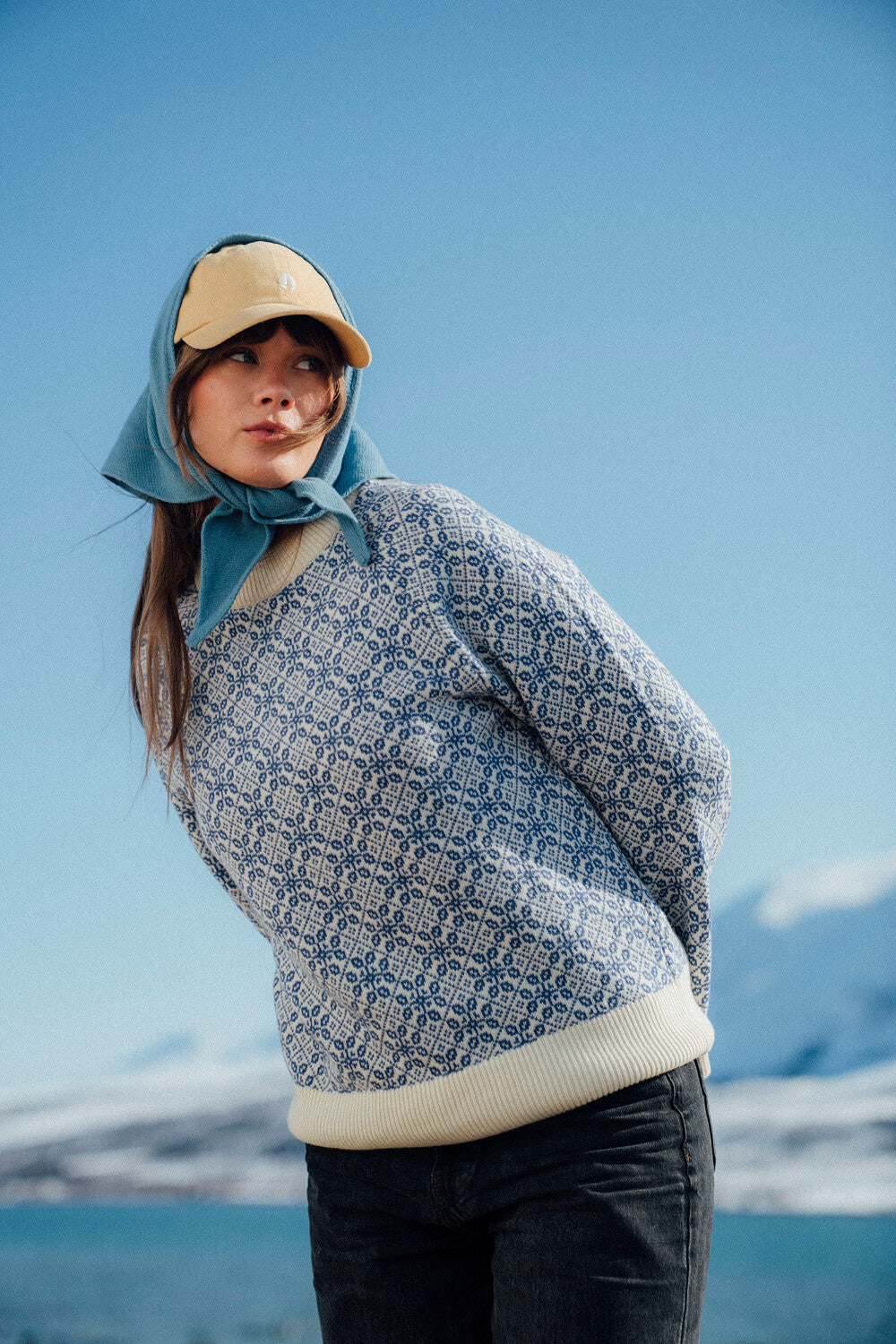
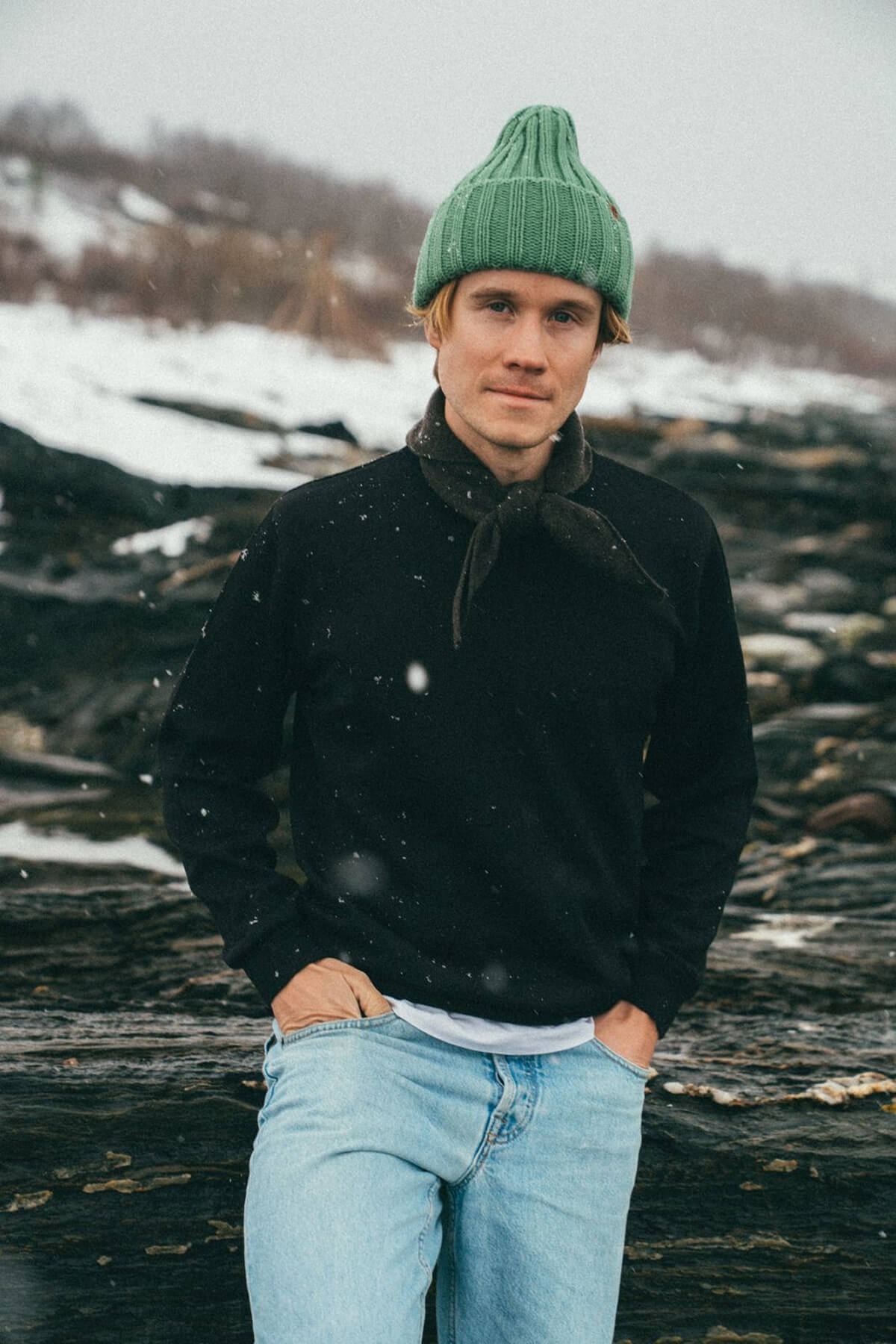
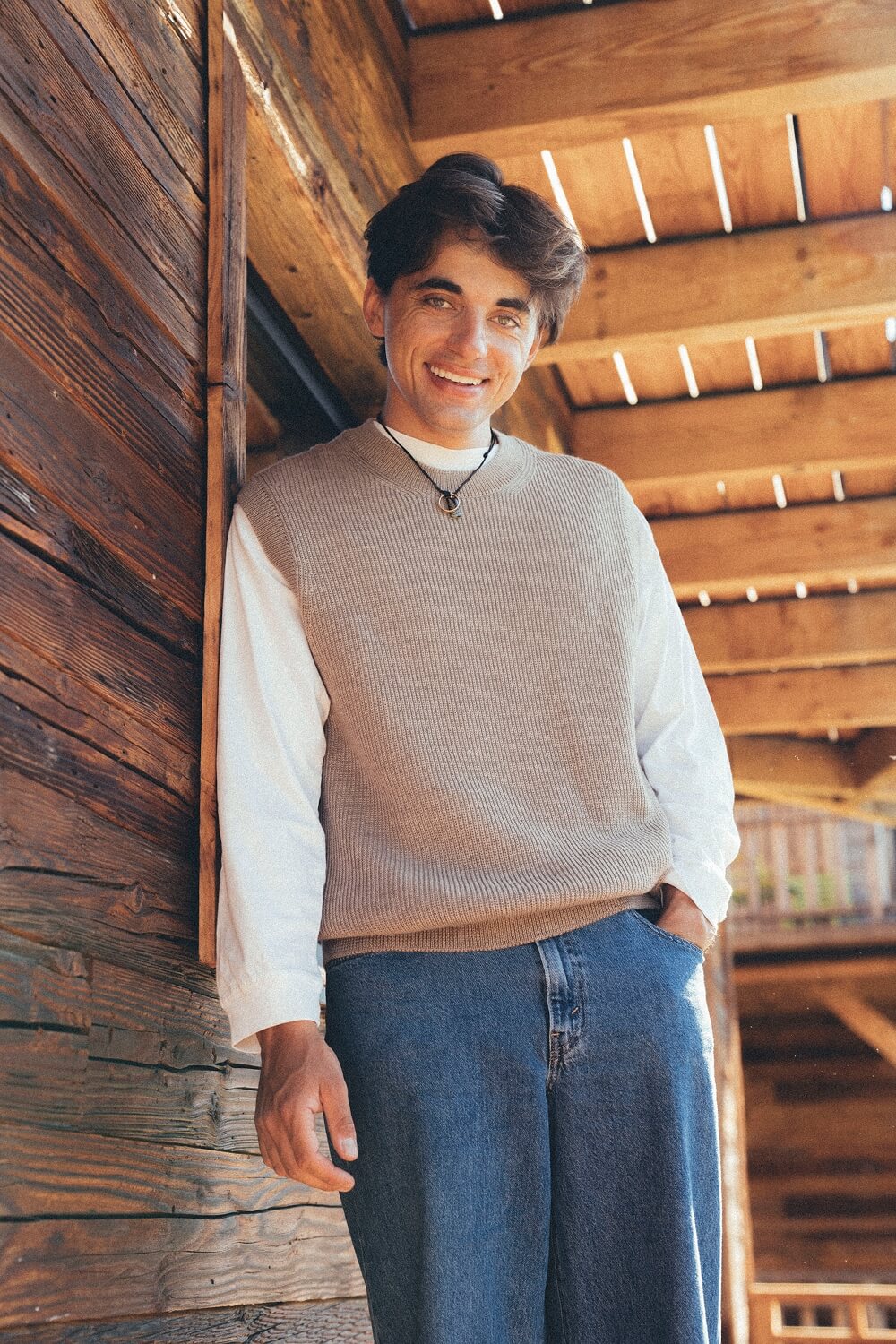
In our flock, you will find products made from woollen-spun yarn in the “with a delicate halo” category. It is ideal for soft sweaters, slightly fluffy beanies, hoods and vests. This yarn makes cosy, comfortable pieces for autumn and winter. Its softness does have one small drawback: because of the fabric’s structure, these garments can be more prone to pilling. Fortunately, a fabric shaver or sweater comb will take care of that.

Boiled and steamed wool – what makes these fabrics different?
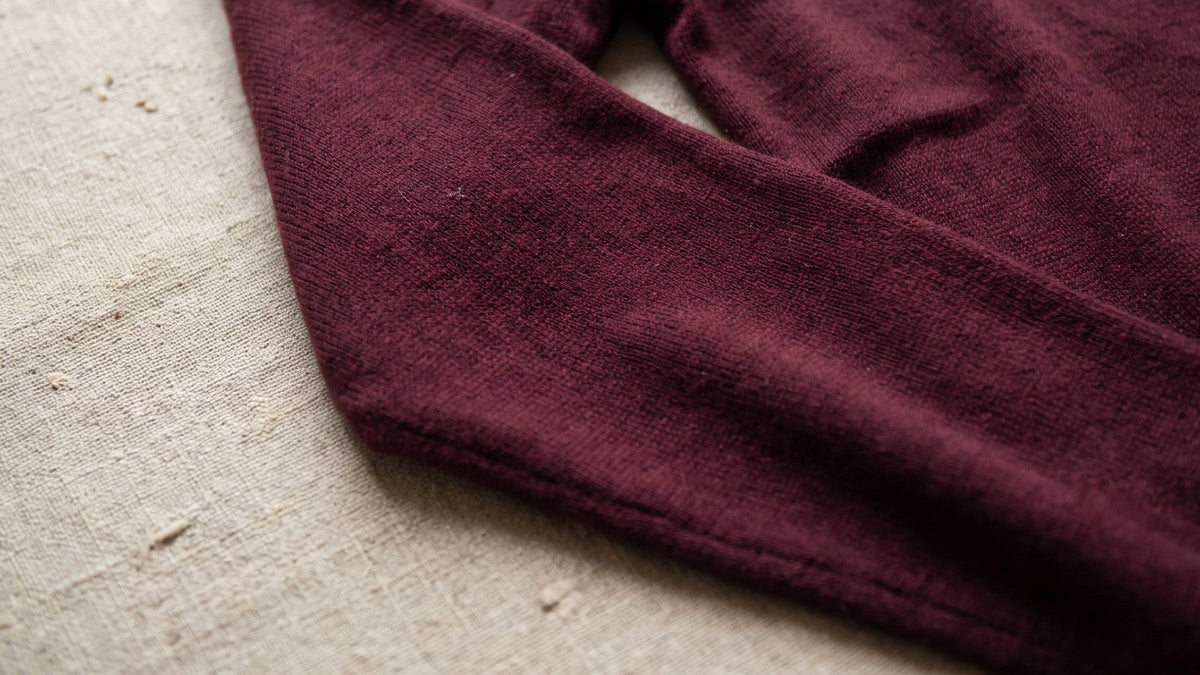
Boiled wool is a material treated with moisture, heat and mechanical agitation. This process makes the structure denser and causes the fibres to bind more closely together. The fabric becomes more compact and may resemble felt. Depending on the process and the original material, its surface texture may remain more or less visible.

Boiled wool is used for coats, jackets, vests, hats and other cold-weather clothing. Its dense structure helps protect against the cold, although its insulating properties depend on thickness, density and construction. Not every boiled wool fabric will provide the same level of warmth.
The term “steamed wool” is sometimes used for fabrics treated with steam, but terminology varies between manufacturers and processes. The name alone may not tell you whether a fabric has been boiled, steamed or treated in some other way to stabilise it. Always check the detailed product description before buying.
Care matters in both cases. Do not assume a fabric can withstand any washing conditions simply because it has been heat-treated. Excessive heat and friction can alter its dimensions or structure. The safest approach is to check the care label and follow the manufacturer’s instructions. We do not currently have this type of wool in our flock, but you can find clear wool-washing advice here.
Bouclé, double-face and other types of wool fabric
A fabric’s name may describe not only the raw material and how its yarn was prepared, but also its texture or construction. That is why bouclé, double-face and boiled wool are not simply different names for the same type of wool.
Bouclé is recognisable by its irregular, looped surface. This effect comes from its distinctive yarn and weaving method. It is made with two strands: one held taut and the other left loose, creating characteristic little loops and knots. Depending on its composition and construction, bouclé can be light or heavy, soft or more structured. It is used for jackets, coats and decorative accessories. The result may resemble a cosy, fluffy fleece or the textured fabric of a classic Chanel-style jacket.
Double-face is a double-sided fabric whose two faces may differ in colour, pattern or texture. In some versions, both sides are attractively finished, allowing garments to be made without a traditional lining or designed to show both sides. This construction is often found in coats and jackets.
Wool flannel usually has a soft, lightly brushed surface. It works well for trousers, suits and jackets for cooler months. Tweed, meanwhile, is known for its distinctive texture and often mélange colouring. These fabrics vary in weight and composition, so the name alone does not determine how thick or warm they will be.

When choosing a fabric, think about three separate things: what it is made from, how the fibres were prepared and how the finished material was treated. Only by considering all three can you judge whether it suits your project.
We believe natural materials are always a great choice. A high wool content can give woven and knitted fabrics a more refined appearance, a pleasant feel and a beautiful way of ageing compared with synthetic alternatives.
How worsted wool is used in clothing and textiles
Combed wool fibres can be used both for clothing and for crafts, including figurines, jewellery and decorations. In the textile industry, worsted yarn is used to make smooth fabrics for garments, including sportswear. Combed wool roving is also a popular material for felting, spinning and decorative projects.
Felting makes it possible to shape fibres into lasting forms. The wool’s pliability lends itself to many different designs. Wet felting uses water, soap and friction to help the fibres bond together. Dry felting involves repeatedly piercing the wool with a special barbed needle and works particularly well for three-dimensional shapes. Both methods take practice, but each offers different possibilities for figurines, decorations, jewellery and small accessories.
Wool roving is also used for arm knitting: knitting without needles, using your arms instead of traditional tools. This technique can produce chunky blankets and scarves. These projects usually require very thick strands, so check the composition, description and recommended use before buying.
Not every type of roving is suitable for every project, and the word itself does not guarantee a wool composition. Viscose roving may be useful for making doll hair, while cotton roving works for projects where cotton’s properties, durability and easier care are desirable. Neither is a type of wool, so always check the fibre content instead of relying on the word “roving” alone.
Natural wool provides thermal insulation, and combed wool fibres are biodegradable. Wool fibres also have some resistance to soiling. This does not mean every blend or finished product will biodegrade under the same conditions. Calling wool universally hypoallergenic would also be an oversimplification: comfort depends in part on fibre diameter and individual skin sensitivity.
How to choose the right wool fabric for your needs
First, decide what you want to make. For tailored jackets or trousers, smooth worsted fabric is often worth considering. Boiled or woollen fabric may be a good choice for a soft coat, vest or warm accessory. Bouclé works when you want a pronounced texture, while double-face is useful when both sides of the fabric need to look good.
Next, check fibre content, fabric weight, thickness and care instructions. If you are buying fabric by the metre, a swatch can help you assess its colour, softness and feel. A manufacturer’s description is useful, but it cannot replace handling the material to see how it drapes and whether it suits your design.
When buying roving for crafts, check the pack weight, strand length, fibre composition and available colours, from solids to mélanges. Combed wool can feel beautifully soft, but its properties depend on the particular fibre. Do not assume the cheapest option is the best value. Compare products with similar weights and compositions, and work out the cost of the amount you actually need.
The price of roving depends on the fibre type, quality, colour, weight and pack size. Weigh up the pros and cons of the particular product before buying. Rather than searching for one standard price, compare several suppliers and make sure you are comparing like with like. For a larger project, calculate the cost per 100 g or kilogram to see which option offers better value.
Before adding a product to your basket, read its description and check whether it is suitable for your chosen technique. Consider the quantity, available options, potential differences between photographs and actual colours, and care guidance. A discount can be a bonus, but it should not distract from the essentials.
The right fabric is one that suits its purpose, not simply one with an attractive price. Once you understand the differences between combing, carding and finishing, it becomes easier to choose the texture, durability and comfort you need.