

Women's merino wool hoods and balaclavas
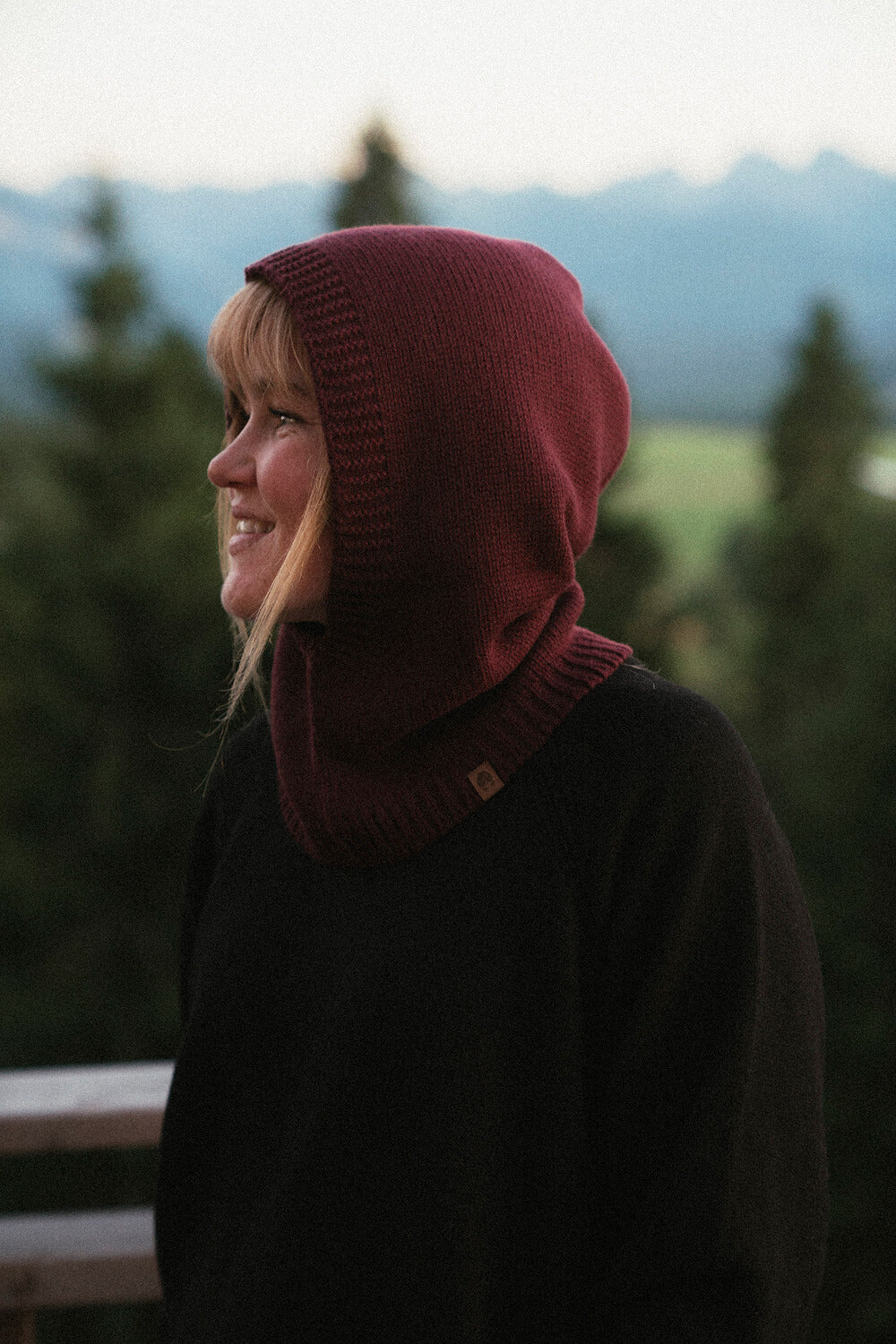

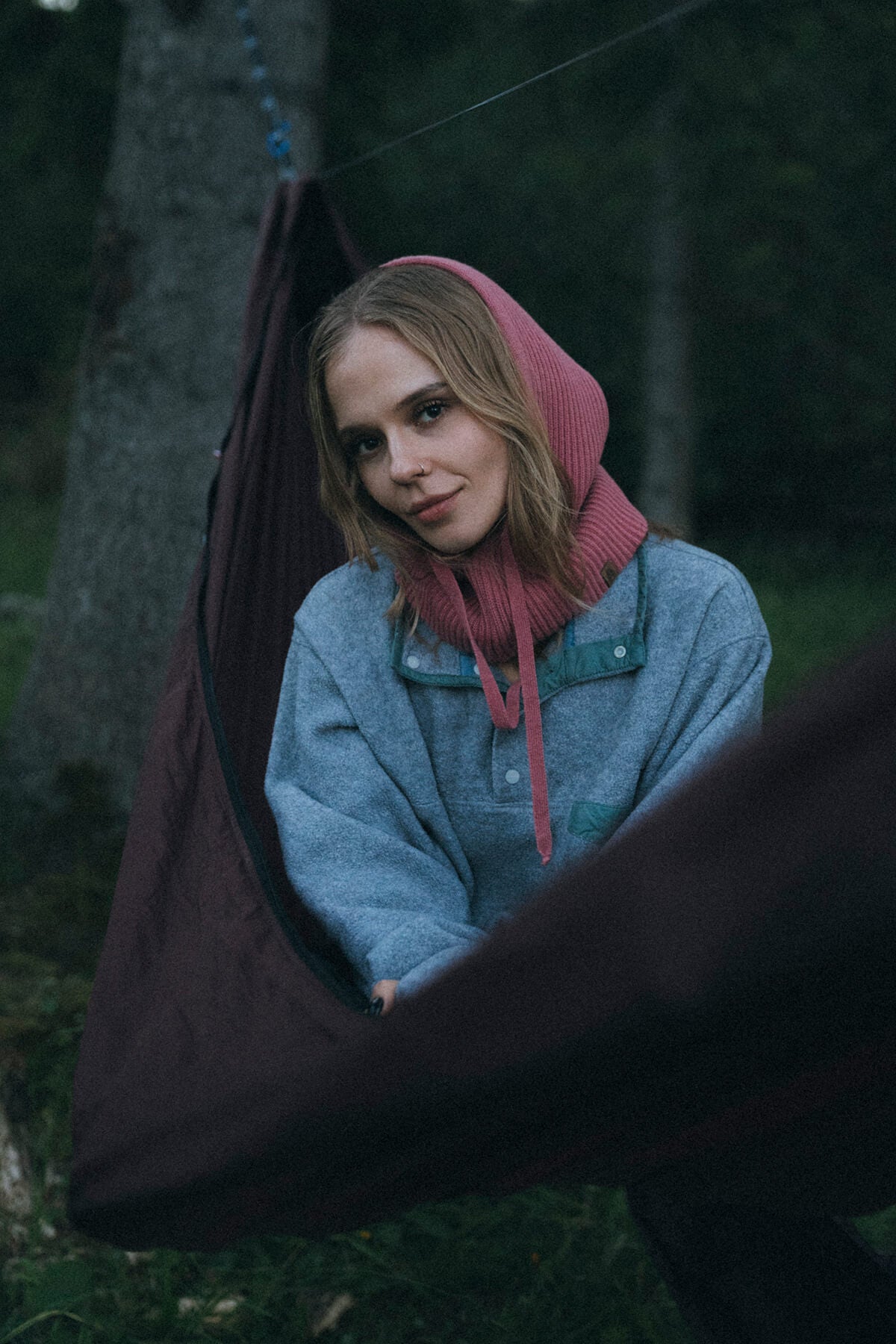
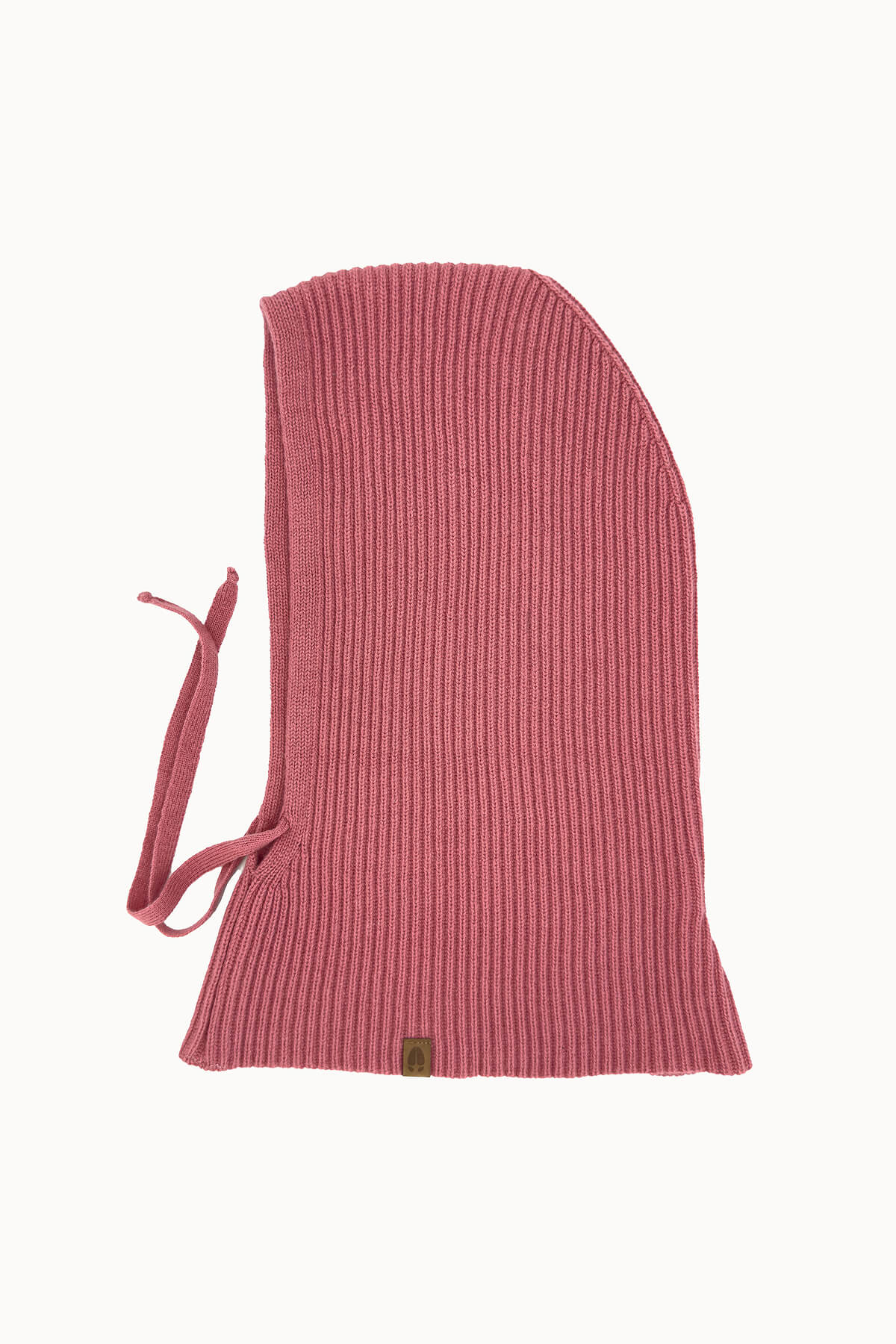
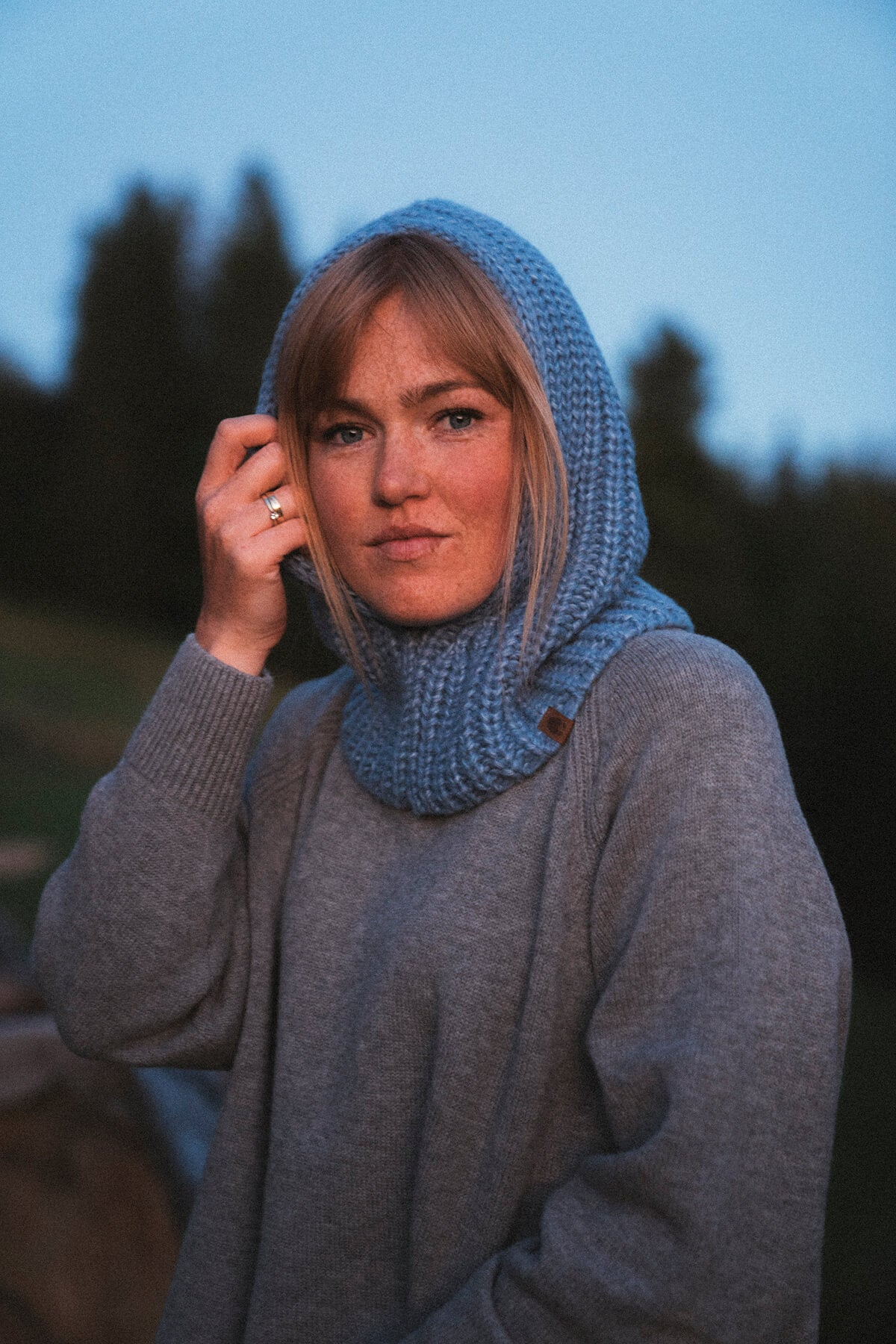
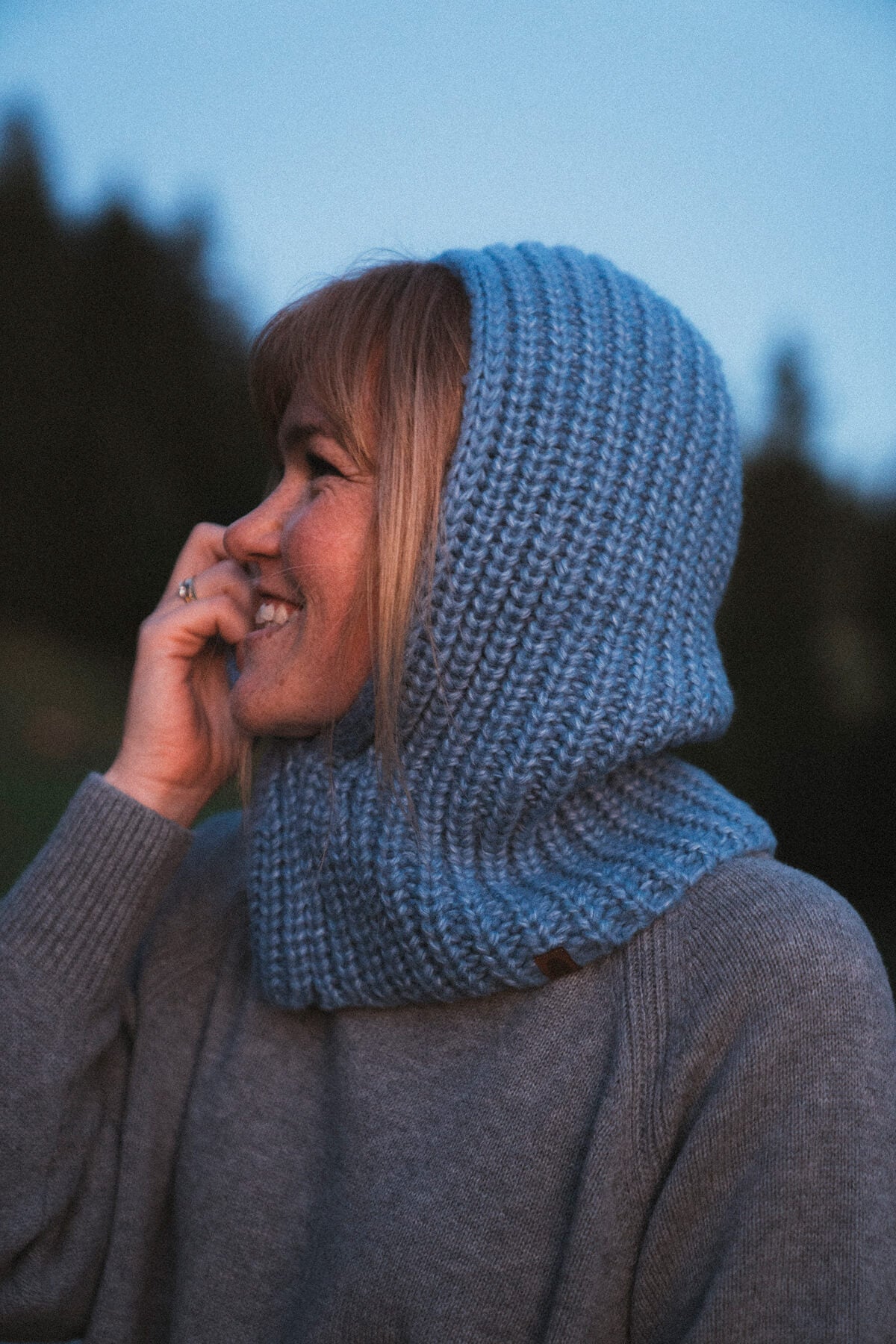
A merino hood combines a hat and scarf
This collection is made for comfort, versatility and repeated use. The collection brings together natural fibres, functional design and responsible production in Poland. Depending on the model, pieces can be worn for wind protection, winter layering and everyday use and combined into practical, long-lasting wardrobes.
How to wear merino wool hoods
Pieces in this collection are designed to be easy to combine across seasons. Wear them on their own or build practical layers for wind protection, winter layering and everyday use. Clean shapes and natural colours make the collection suitable for capsule wardrobes, while the performance of RWS merino wool supports comfort in changing conditions.
One layer for protection from wind and cold
This collection is made for comfort, versatility and repeated use. The collection brings together natural fibres, functional design and responsible production in Poland. Depending on the model, pieces can be worn for wind protection, winter layering and everyday use and combined into practical, long-lasting wardrobes.
Why merino hoods are comfortable against the skin
Fine merino fibres bend more easily than coarse traditional wool, which is why well-made women's merino wool hoods feel soft against the skin. Sensitivity is individual, but merino is generally much gentler than heavier wool. Breathability and moisture management also help maintain next-to-skin comfort.
Merino wool hoods: warmth without overheating
Rws merino wool combines natural insulation with breathability and moisture management. It helps retain warmth without creating a heavy, clammy layer and stays fresher for longer between washes. These properties make women's merino wool hoods practical for wind protection, winter layering and everyday use.
Why is a merino wool hood practical?
Women's merino wool hoods and balaclavas are designed for comfort, practical use and long-term wear. The properties of RWS merino wool support breathability, warmth and moisture management, while the best choice depends on the product construction, fit and intended use.
How should a merino wool hood be washed?
Air women's merino wool hoods between wears and wash only when needed. Follow the care label, use a dedicated wool detergent and choose careful hand washing or a gentle wool cycle in cool or lukewarm water. Avoid bleach, high spin speeds and direct heat; reshape and dry flat.
Is a merino wool hood warm?
Yes. Merino wool traps insulating air while remaining breathable, so women's merino wool hoods provide warmth without feeling unnecessarily heavy. The final warmth depends on the fabric weight, construction, fit and weather. Denser or double-layered models are best for colder conditions.
Does a merino wool hood feel itchy?
Quality merino wool is much finer and softer than coarse traditional wool, so women's merino wool hoods should not feel scratchy for most people. Individual sensitivity varies, but the flexible fibres are generally comfortable even against sensitive skin. Always check the product composition and fibre details if your skin is particularly reactive.
Which is warmer: cashmere or merino wool?
Yes. Merino wool traps insulating air while remaining breathable, so women's merino wool hoods provide warmth without feeling unnecessarily heavy. The final warmth depends on the fabric weight, construction, fit and weather. Denser or double-layered models are best for colder conditions.
What does moisture-wicking merino wool mean?
Merino fibres can absorb and release water vapour, helping move moisture away from the skin before it feels clammy. This supports comfort during activity and changing temperatures, although it does not replace a waterproof outer layer in wet weather.
Can merino wool be responsibly sourced?
RWS certification provides independent requirements for sheep welfare, land management and traceability through the supply chain. It also prohibits mulesing. At KOPYTO, RWS-certified wool is part of a wider approach that includes Polish production, shorter logistics and products designed for long-term use.
What are the limitations of merino wool?
Merino wool requires gentler care than many synthetic fabrics and can pill in areas of friction. It also costs more because high-quality wool and responsible sourcing are expensive. In return, it offers breathability, thermoregulation, odour resistance and biodegradability that synthetic fibres cannot fully replicate.

z życia stajni
Zapisz się do newslettera i odbierz 10% rabatu na pierwsze zakupy. Zyskaj dostęp do informacji o nowościach, wyjątkowych promocjach i anegdotach z życia stajni.
Klikając „Zapisz się” wyrażam zgodę na przetwarzanie moich danych osobowych przez Z Kopytem sp. z o. o. z siedzibą w Sopocie przy ul. W. Łokietka 46/1, 81-736 Sopot, w celu przesyłania informacji handlowych drogą elektroniczną, w tym newslettera, na zasadach określonych w Regulaminie sklepu i Polityce prywatności.