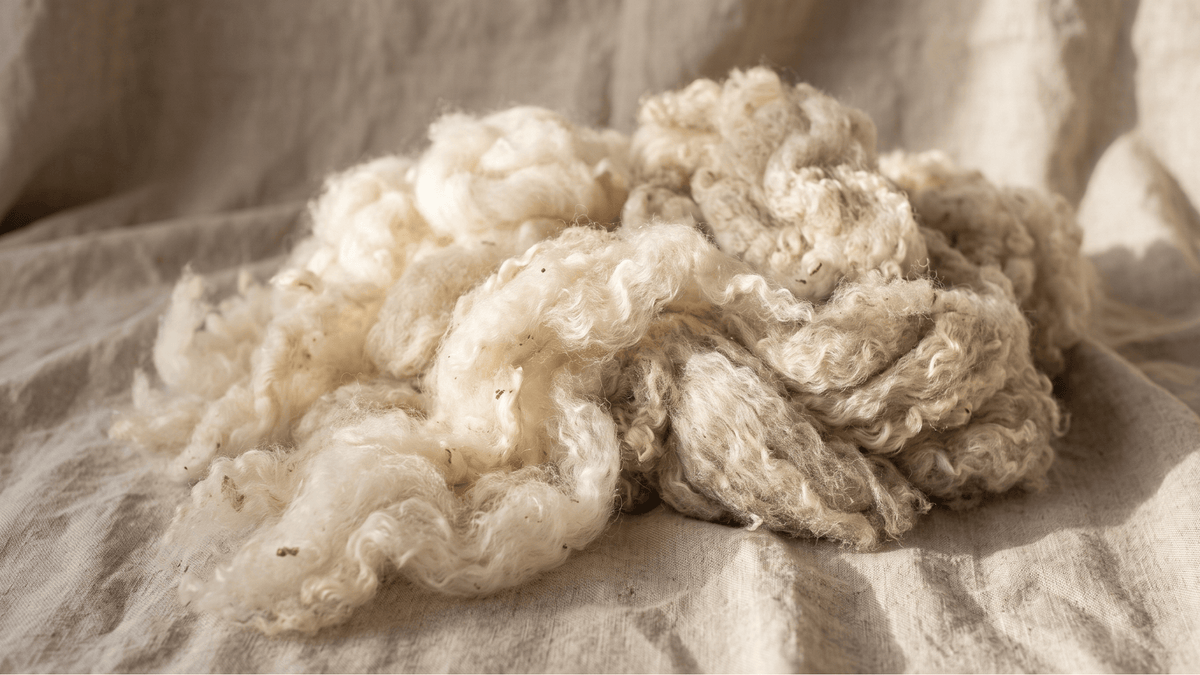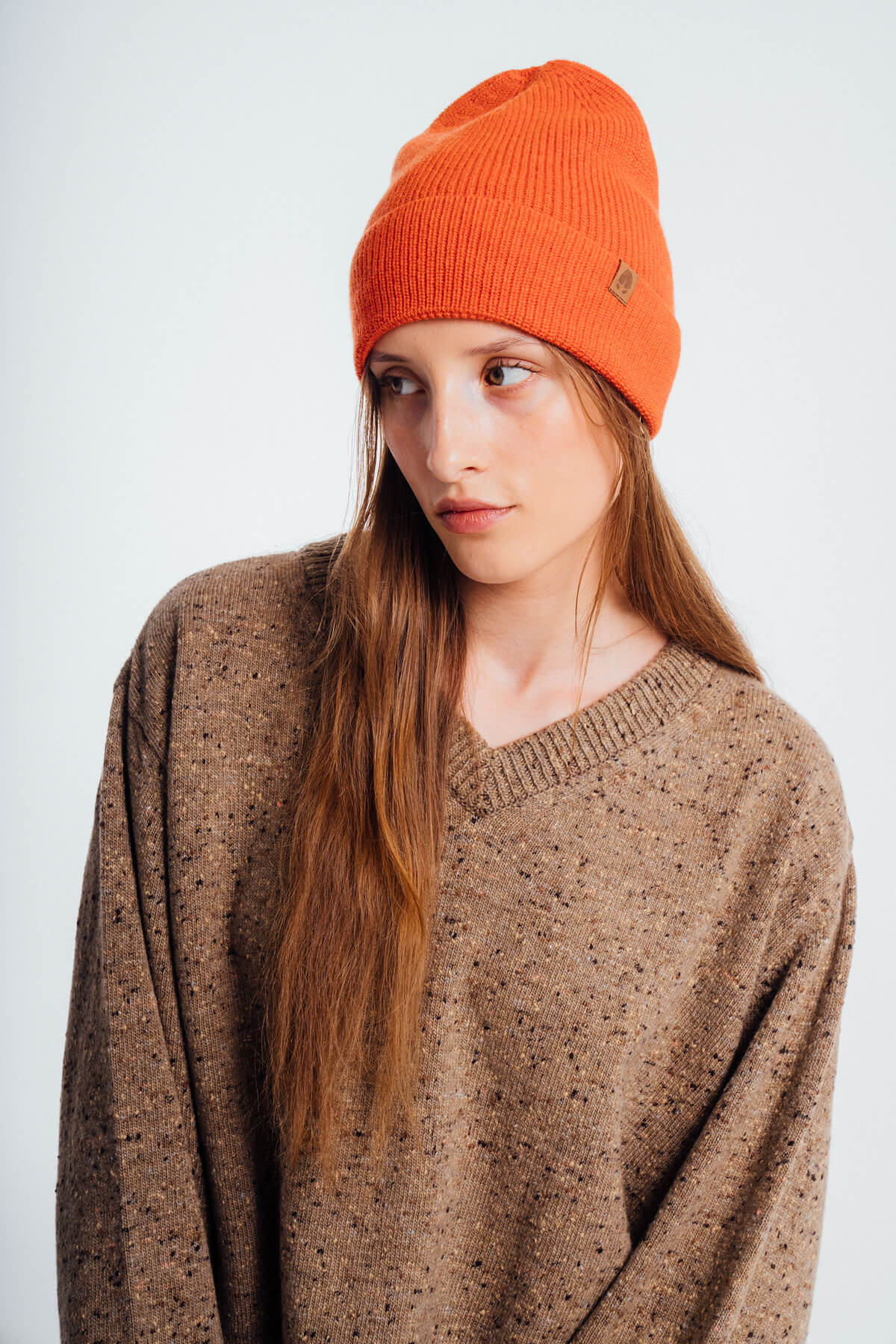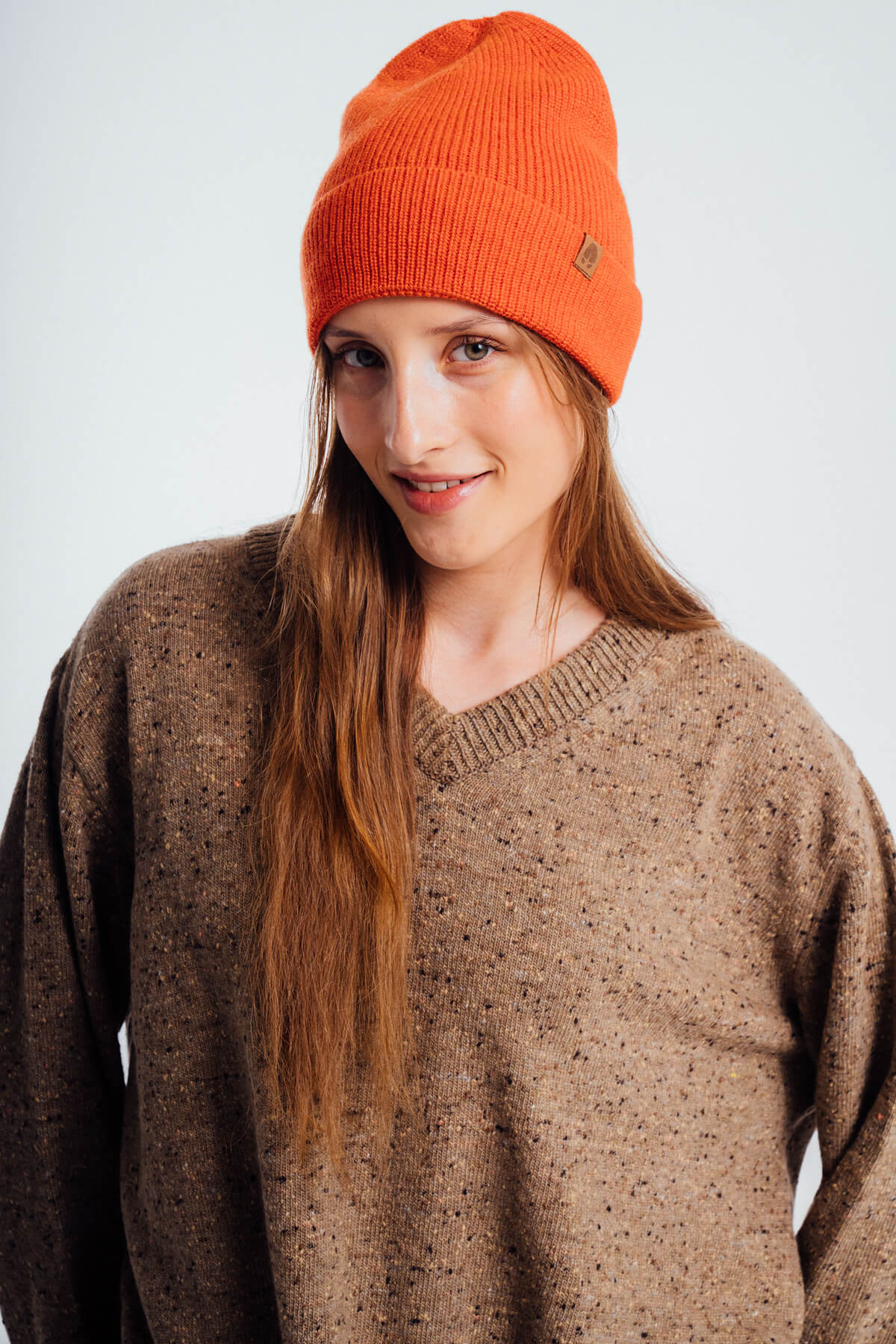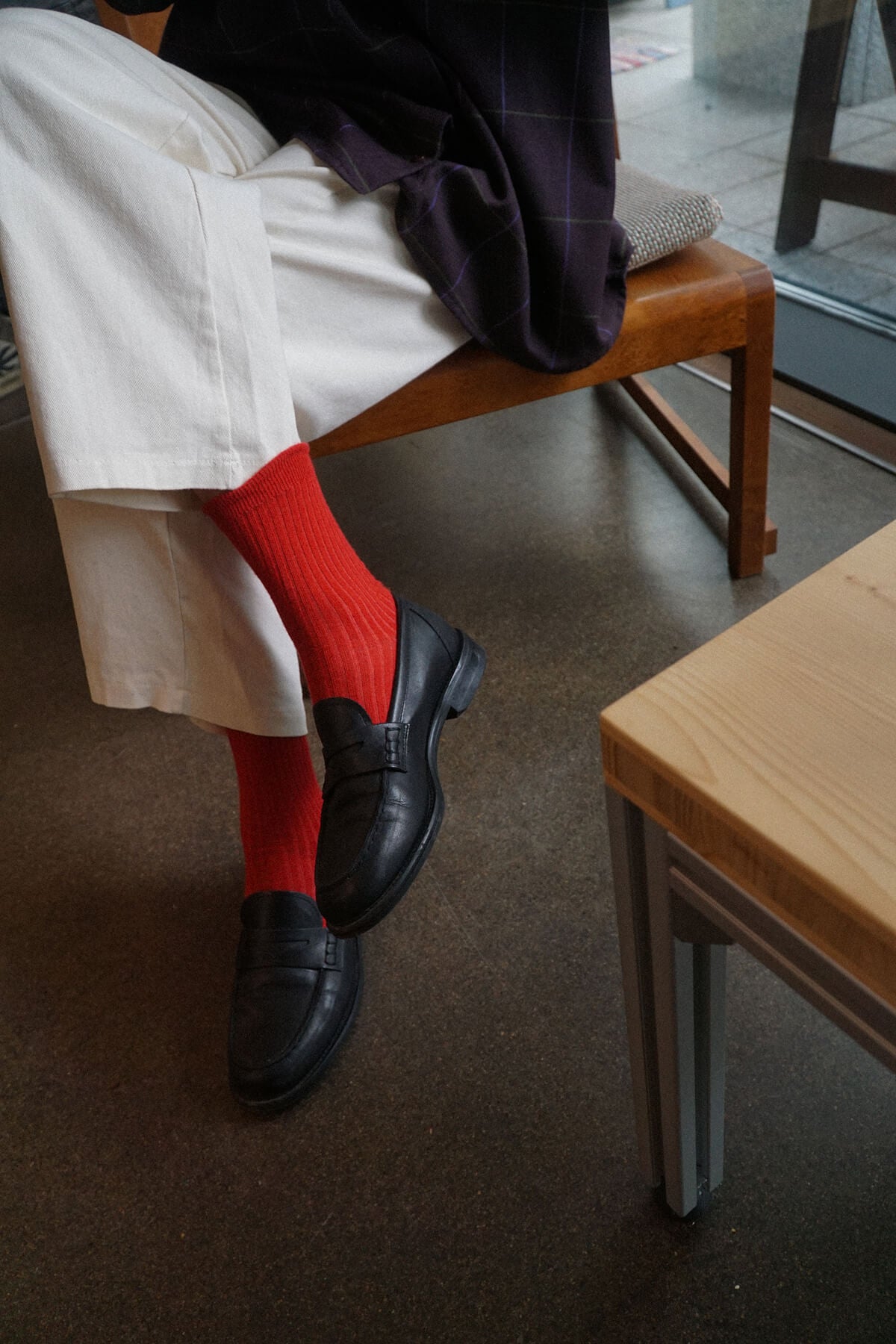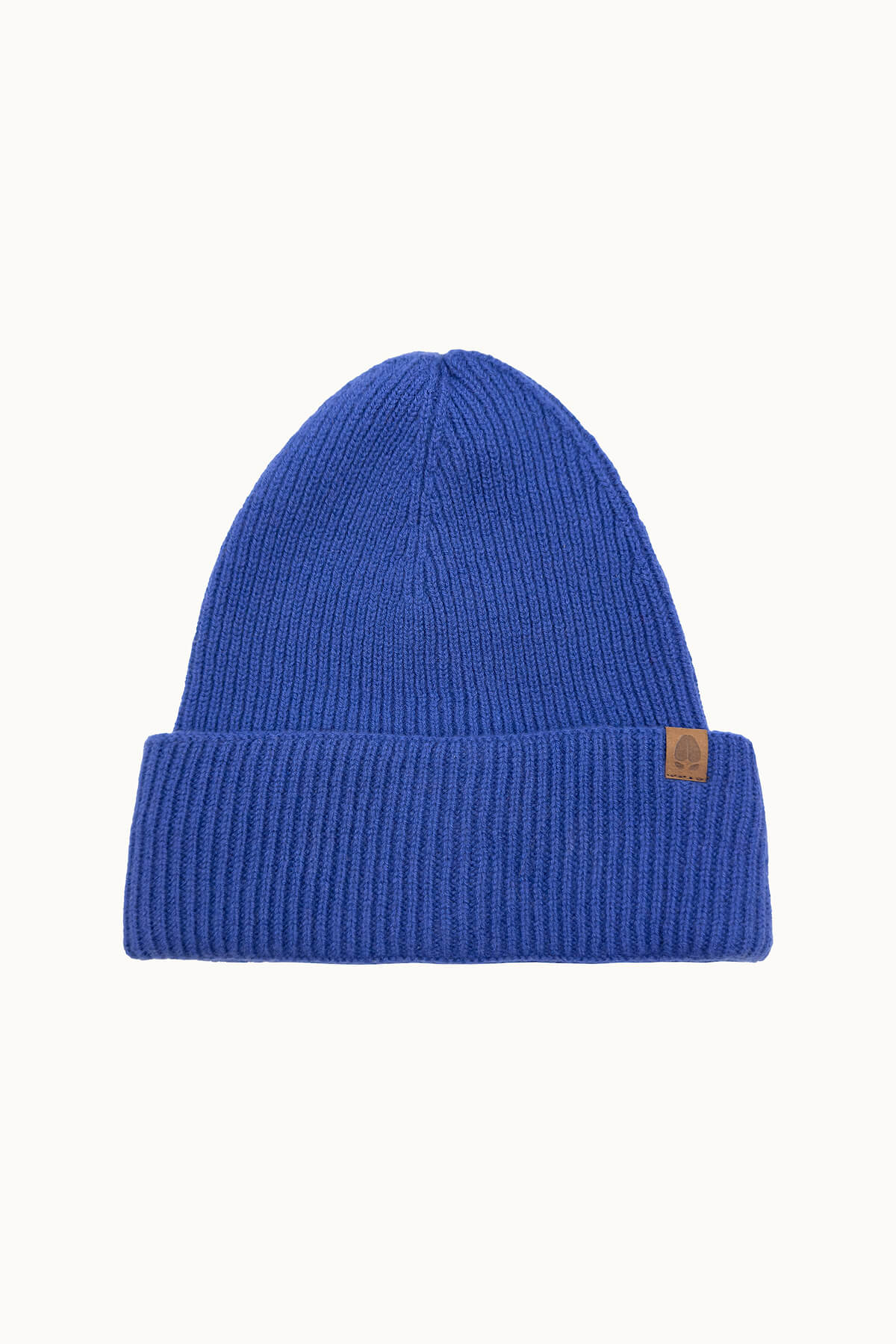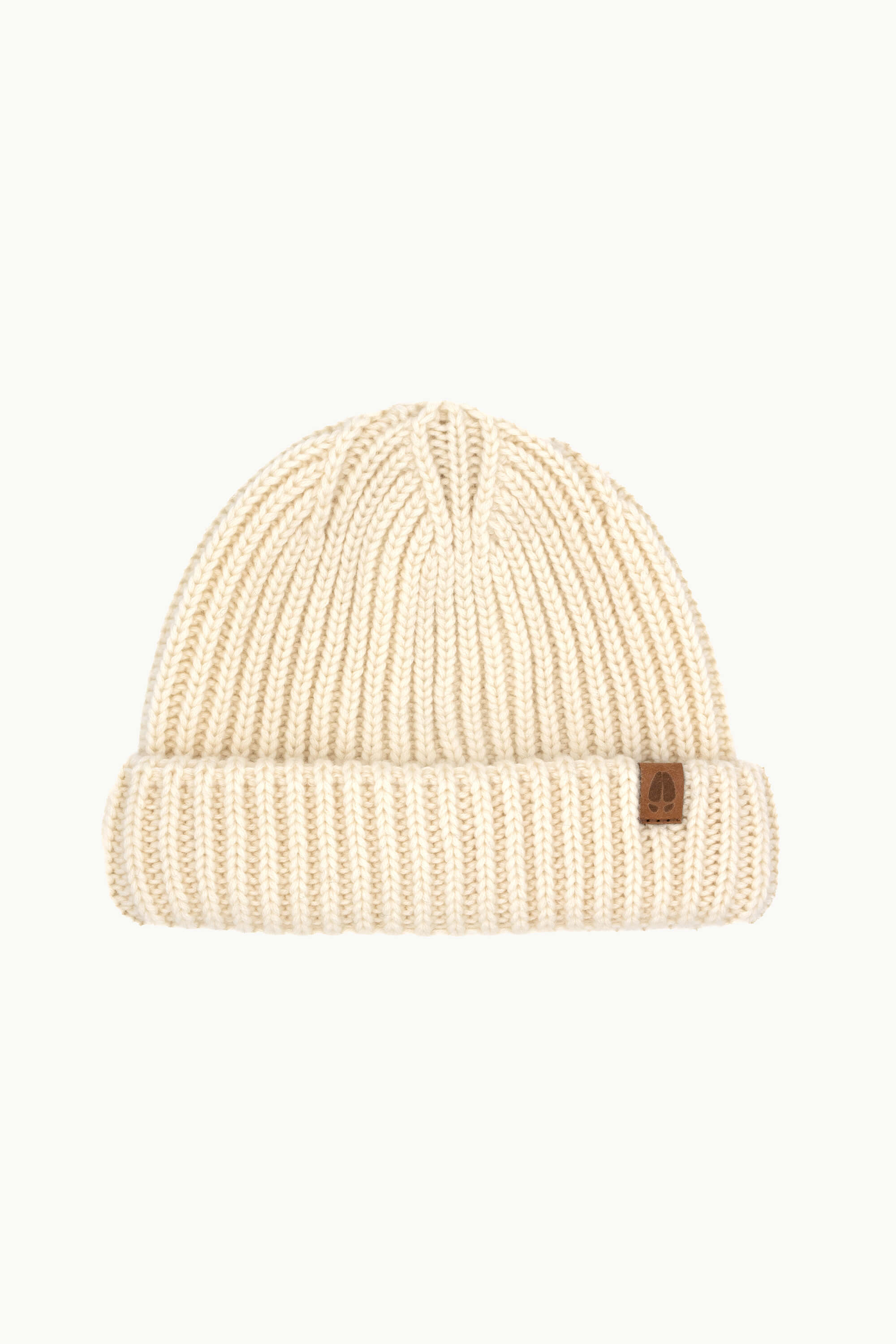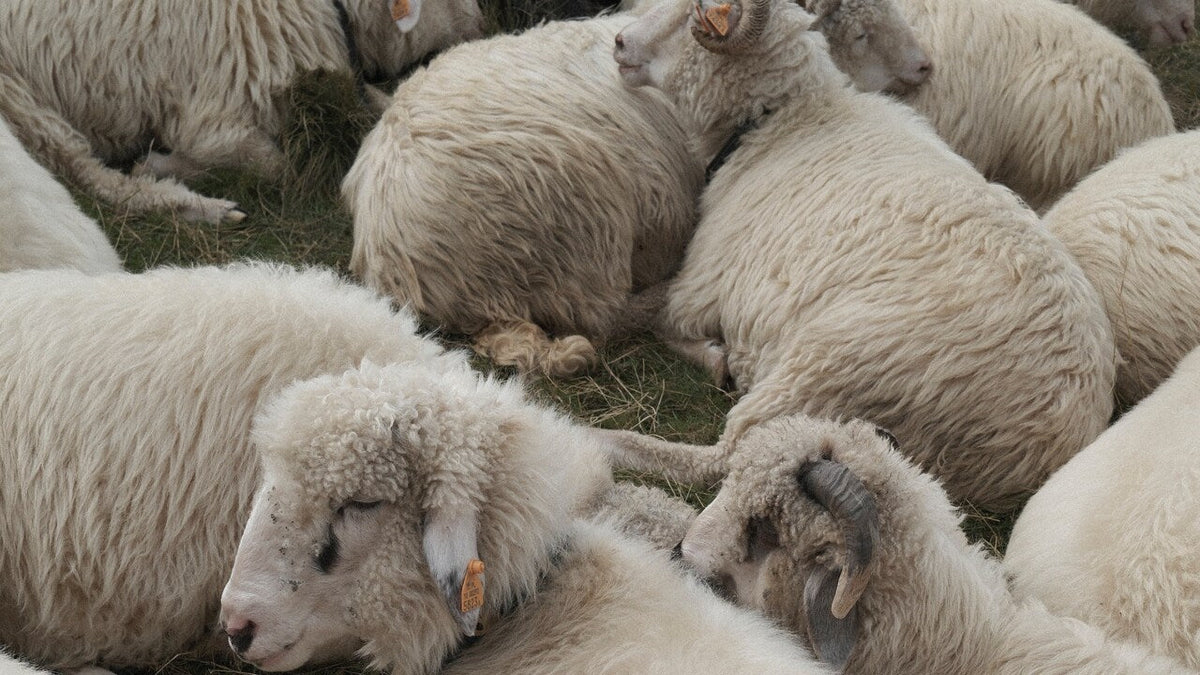
When choosing merino wool clothing, you may increasingly come across the RWS label. The abbreviation stands for Responsible Wool Standard and refers to responsible sheep farming practices, land management and wool traceability throughout the supply chain. This is important information for those who care not only about the properties of the material, but also about how it is sourced.
As wool continues to grow in popularity, clear and transparent criteria are becoming increasingly important. As a company producing merino wool clothing, we recognised the need to standardise the stages of material sourcing that are beyond our direct control. Pursuing certification for ourselves and our subcontractors was a natural step in KOPYTO's development, and one we are extremely proud of.
Since 2023, KOPYTO has held RWS certification , and the vast majority of our products are made using certified yarn.
What Is RWS Certification (Responsible Wool Standard)?
The Responsible Wool Standard is a voluntary international standard developed by Textile Exchange. It establishes requirements for animal welfare, responsible land management and wool traceability. Farms and subsequent businesses involved in the certified supply chain undergo independent, periodic audits.
What does this mean for consumers? RWS certification provides greater assurance that wool comes from farms meeting specific requirements and that its journey through the production process is documented. This also applies to merino wool, although the standard is not limited to this particular breed of sheep.

It is important to remember that RWS does not automatically mean that an entire product is made from 100% certified wool. This information should be checked on the product label and in its documentation. The certification concerns the origin and sourcing of the raw material, rather than the percentage composition of the product itself.
RWS Wool and Animal Welfare
One of the most important aspects of the Responsible Wool Standard is animal welfare. The standard sets requirements covering, among other things, feeding, living conditions, veterinary care and the handling of sheep. It also addresses land management, including soil protection and biodiversity.
An important requirement is the strict prohibition of mulesing, a painful procedure involving the removal of sections of skin around a sheep's breech to reduce the risk of flystrike. RWS also includes wool traceability requirements, allowing certified raw materials to be tracked through successive stages of the supply chain.
This does not mean that certification solves every potential issue associated with sheep farming. However, it establishes a specific set of requirements whose fulfilment is verified. This goes beyond a brand's general declaration that it sources ethical materials. Documenting the movement of certified wool throughout production increases supply chain transparency.
Does RWS Guarantee Merino Wool Quality?
RWS is not directly linked to wool quality, which is not assessed by certification auditors. RWS certification is not an indicator of softness, durability or yarn quality. Certified wool can have different characteristics depending on the properties of the fibres and how they are processed.

Merino wool is known for its natural temperature regulation, breathability, odour resistance and moisture absorption. These are properties of the fibre itself, but they are not what the certification verifies. Instead, RWS confirms compliance with specific requirements for responsible farming and the origin of raw materials within a certified supply chain.
When shopping, it is therefore worth checking both the product composition and certification information. If you are looking for a soft sweater, pay attention to the type of yarn, knit construction and fibre diameter in microns. If animal welfare is also important to you, the RWS label can provide another reason to choose a particular product.
Coordinating all these details requires considerable effort and reflects a commitment to paying greater attention to every aspect of production. At KOPYTO, you can be confident that we carefully select ethical sources as well as the highest-quality raw materials. We believe these decisions bring benefits to us all.
RWS vs. Mulesing-Free – What Is the Difference?
The terms "mulesing-free" and RWS do not mean the same thing. The former indicates that mulesing has not been practised, while the Responsible Wool Standard also covers other requirements relating to animal welfare, land management and raw material traceability.
| Criterion | RWS | Mulesing-free |
|---|---|---|
| Prohibition of mulesing | Yes | Yes |
| Animal welfare | A comprehensive set of specific requirements | No uniform requirements defined by the term itself |
| Land management | Yes | Not implied by the label |
| Wool traceability | Yes, throughout the certified supply chain | Not implied by the label |
| Independent audits | Yes | Not necessarily |
| Guarantee of yarn quality | No | No |
This comparison concerns the scope of the RWS standard and the term "mulesing-free" itself, which does not constitute a single, universal certification system.
A "mulesing-free" declaration therefore does not automatically confirm that wool is certified under the RWS system. RWS, on the other hand, includes the prohibition of mulesing as part of a broader standard. This is an important distinction when comparing products and making informed purchasing decisions.
It is worth remembering that RWS goes beyond prohibiting mulesing. The standard also incorporates animal welfare principles based on the concept of the Five Freedoms:
- Freedom from hunger and thirst.
- Freedom from discomfort.
- Freedom from pain, injury and disease.
- Freedom from fear and distress.
- Freedom to express normal behaviour.
Sheep should be provided with conditions that support their health, welfare and ability to express natural behaviours.
Is RWS-Certified Clothing Worth Buying?
If transparency about wool origins and animal welfare standards matters to you, RWS certification is an extremely useful indicator. However, it does not replace checking the fabric composition, workmanship or information about the product as a whole.
Another important distinction is that some brands declare that they use RWS-certified materials, which may create the misleading impression that all their products are certified. In reality, a particular product may contain only a small proportion of wool from a certified supplier, while the remaining composition may leave much to be desired. It is therefore worth knowing how to verify this information independently.

When shopping, you can use the filters available in our store. On our website, you will find a dedicated category of RWS-certified products . It is also worth reading product descriptions and contacting the brand if the certification information is not sufficiently clear.
Make sure that the certification claim refers to the specific product rather than only to the company's general policy. Logos and claims included in product descriptions should be supported by appropriate certification documentation, and their use is subject to specific rules.
To sum up: RWS is a useful reference point if you want to choose wool sourced according to specific responsible farming standards. However, it does not guarantee that a product will be softer or more durable than a non-certified alternative. Certification is best considered as one element of an informed purchasing decision, alongside material composition, workmanship and the intended use of the garment.
At KOPYTO, we believe it is worth knowing more about the materials we wear. If you have any questions about fabric composition, wool origins or the meaning of certifications, please get in touch. We will be happy to explain what the different labels mean and how to interpret them when choosing products.