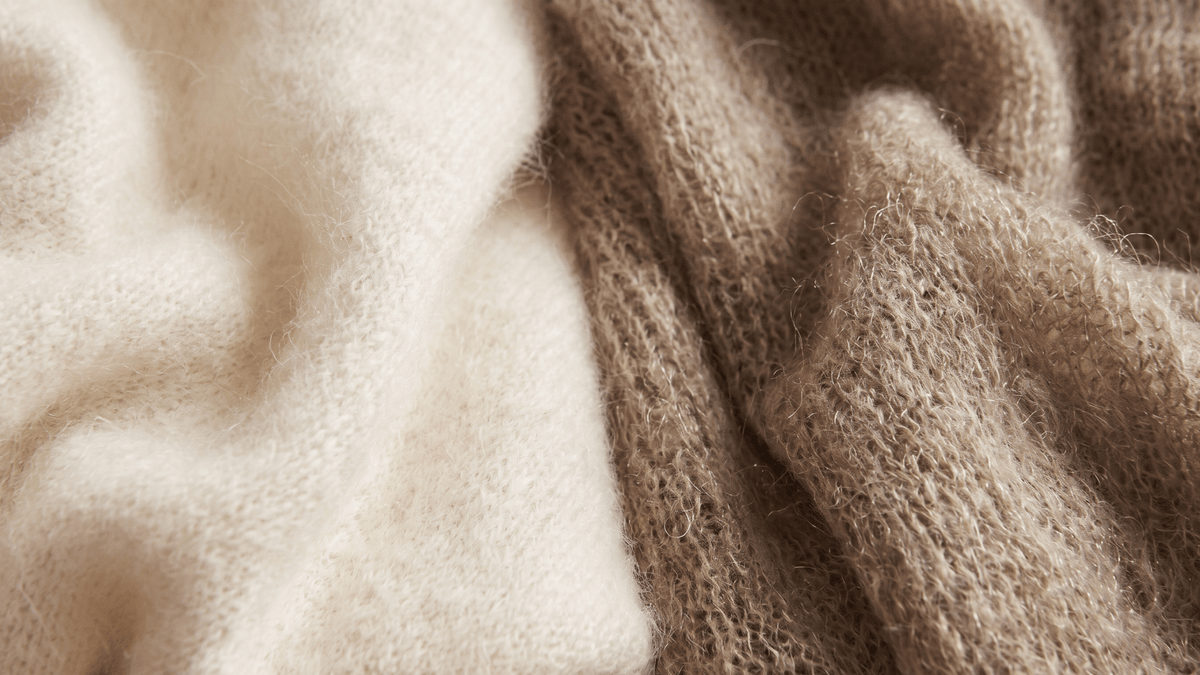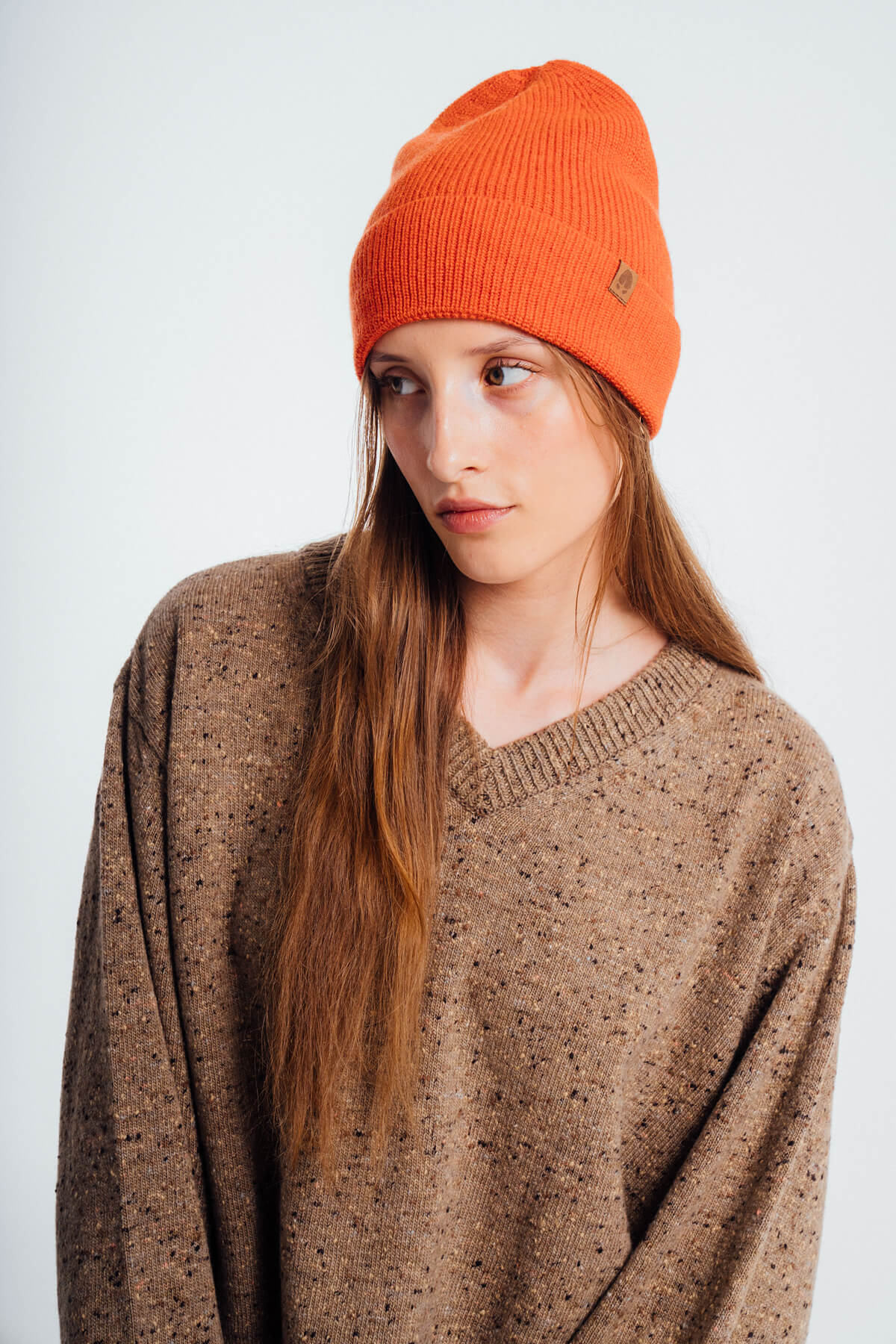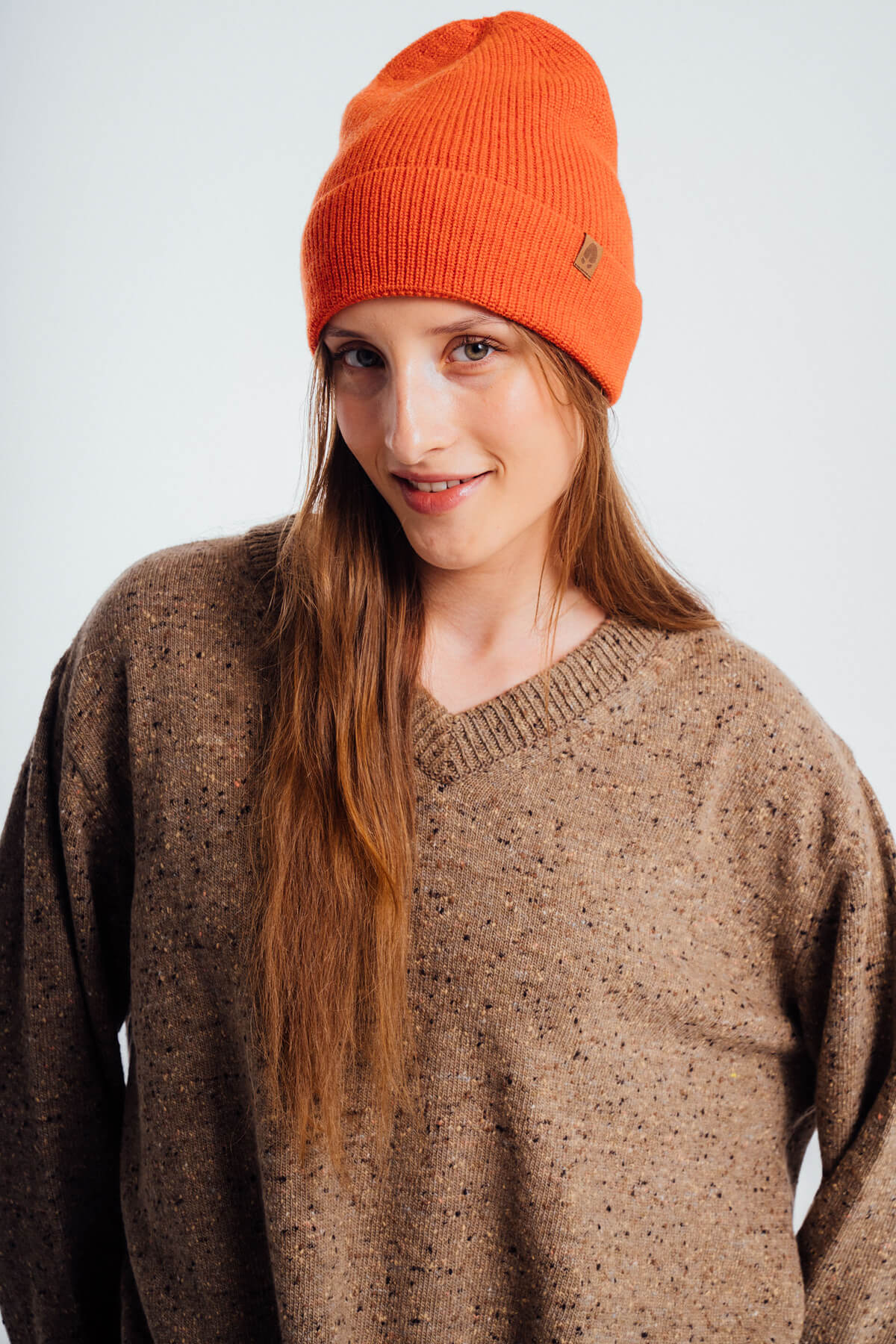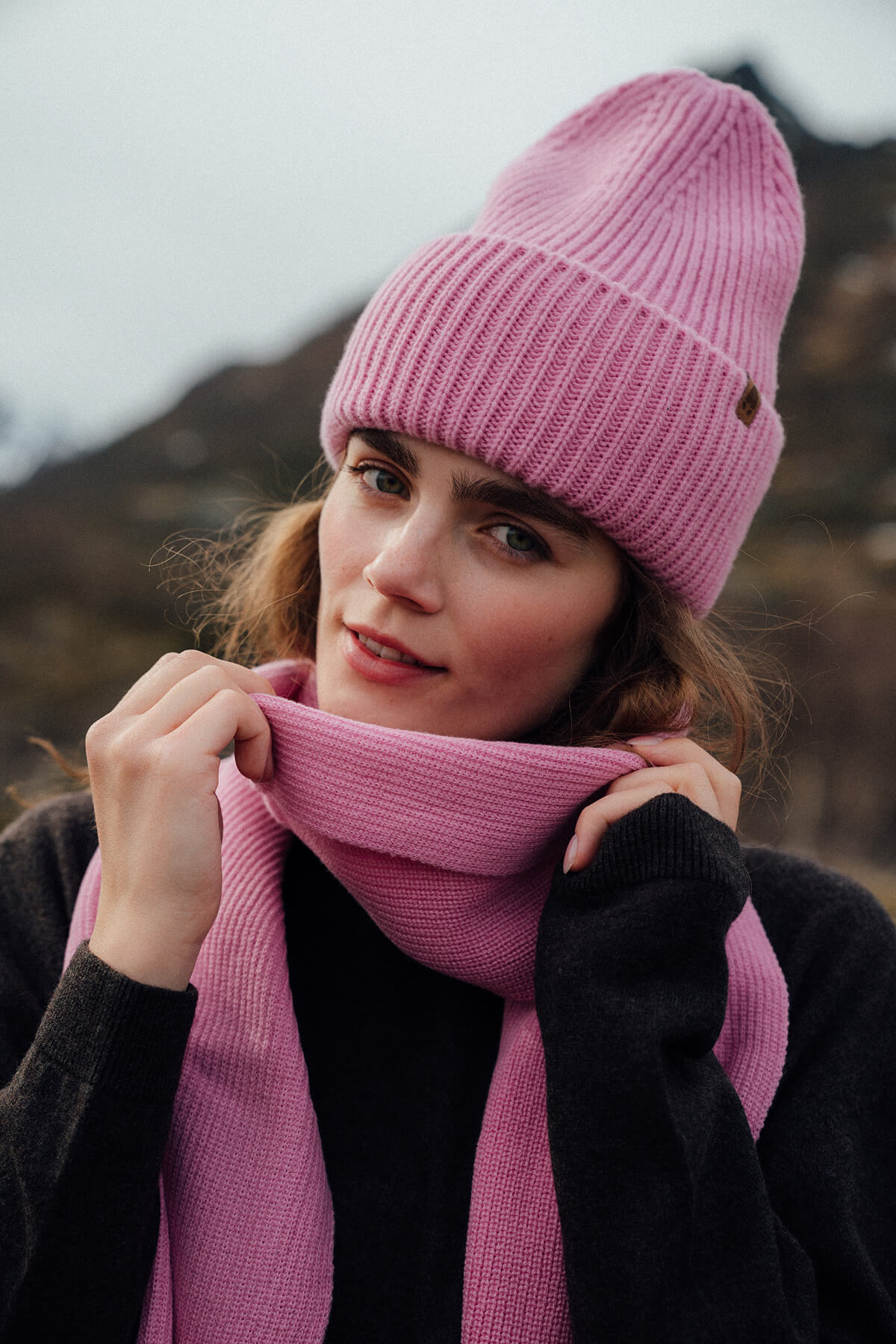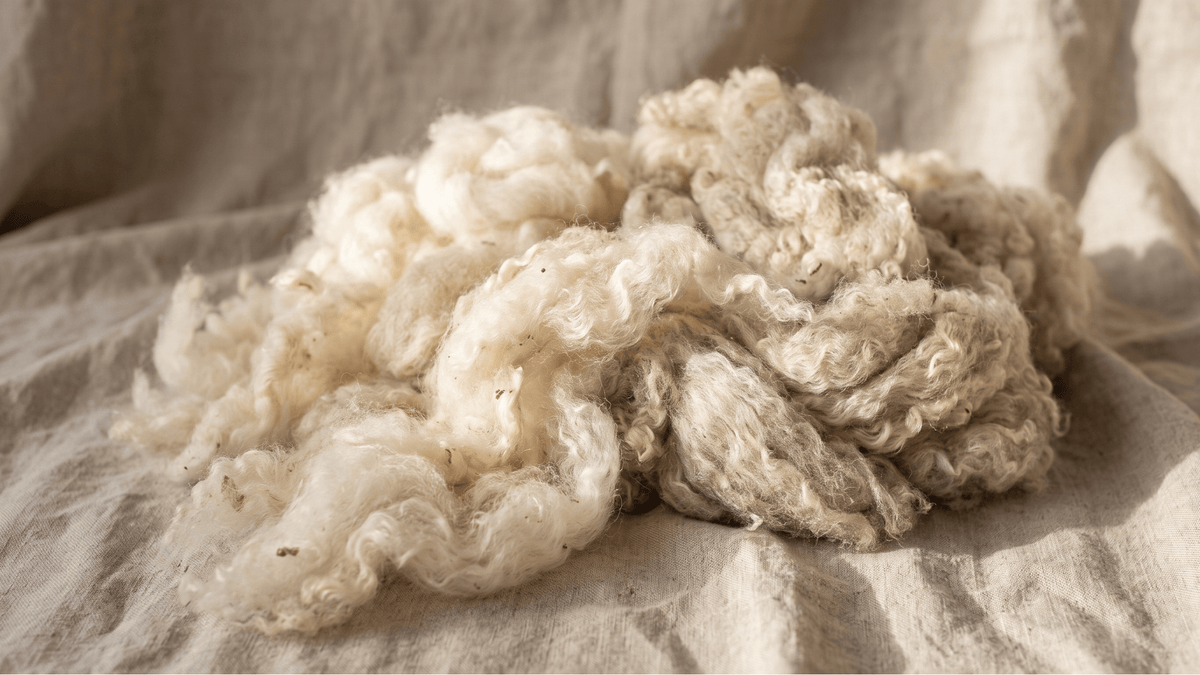
Sheep's wool is one of the oldest materials used to make clothing. Despite the growth of the textile industry and the continuous development of new synthetic fibres, wool remains highly valued for its warmth, elasticity and ability to regulate temperature. These properties come from the natural structure of wool fibres, which help trap air and absorb moisture.
However, not all sheep's wool is the same. Differences in fibre thickness and length mean that some varieties are ideal for soft sweaters, while others are better suited to carpets, rugs or insulation materials. Understanding the different types of wool can help you choose the right material for your needs.
In this article, we'll explore what sheep's wool is and take a closer look at its different varieties. You'll discover the properties of traditional sheep's wool, the types available and what sets them apart. This article is also part of our guide for anyone looking to understand the world of wool a little better.
Properties of Sheep's Wool – The Benefits of a Natural Fibre

One of the most important properties of sheep's wool is its ability to provide insulation. Naturally crimped wool fibres create tiny pockets that trap air, helping to reduce heat loss and protect against the cold. This means wool clothing can provide thermal comfort without the need for particularly thick layers of fabric.
Sheep's wool is also excellent at managing moisture. It absorbs water vapour and gradually releases it, helping to maintain a comfortable microclimate next to the skin. Although wool is not waterproof, it can retain its insulating properties even after absorbing some moisture. This makes it suitable for more than just winter clothing. Lightweight, breathable wool can also be comfortable in summer, helping the body maintain a balanced temperature.
Wool fibres are naturally elastic, allowing woven and knitted fabrics to return to their original shape after stretching. This helps wool garments maintain their appearance during everyday wear. Wool is also valued for its natural resistance to odours, meaning it doesn't always need to be washed after every use. Its natural antibacterial properties can contribute to keeping garments fresh. Depending on the type of garment and how it is used, wool clothing may need washing several times less frequently than synthetic alternatives.
It's worth remembering, however, that these properties vary depending on the type of fleece. Merino wool is generally fine and soft to the touch, making it a popular choice for clothing worn directly against the skin, including activewear for various sports. Coarser fibres may feel rougher but work well in products where durability matters, such as coats. The label "sheep's wool" alone doesn't tell you everything about how comfortable a finished garment will feel.
The way wool is processed also has a significant impact on its properties. Sheep's wool does not necessarily require extensive industrial processing, which can help reduce its environmental footprint. However, untreated wool retains a substantial layer of lanolin. This can be an advantage, as it offers some protection against dirt, but it may also be a potential allergen for certain people.
Pure Wool vs Sheep's Wool – What's the Difference?
Sheep's wool is a natural animal fibre obtained from the fleece of sheep. The term "pure wool", on the other hand, may refer to the fibre composition or a specific category of wool. That's why it's always worth checking the exact information on the care label, as commercial terms don't necessarily mean the same thing.
If a product is labelled as 100% wool, it means that no other textile fibres have been added. However, the label alone won't tell you which breed of sheep the wool comes from, how fine the fibres are or whether the finished knit will feel soft. To find out more, check the product information provided by the brand or contact them directly. In our online store, we describe our products in detail – take a look at an example product description here.
Processing methods also make a difference. Wool can be spun into yarn and used to create woven or knitted fabrics with a wide range of properties. Some are lightweight and delicate, while others are thick and designed to withstand intensive use.
Types of Sheep's Wool and Their Uses in the Textile Industry

The type of wool depends on several factors, including the breed of sheep, fibre length (which can range from around 4 to as much as 40 cm), thickness and elasticity. Many different varieties are used in the textile industry, each offering slightly different characteristics.
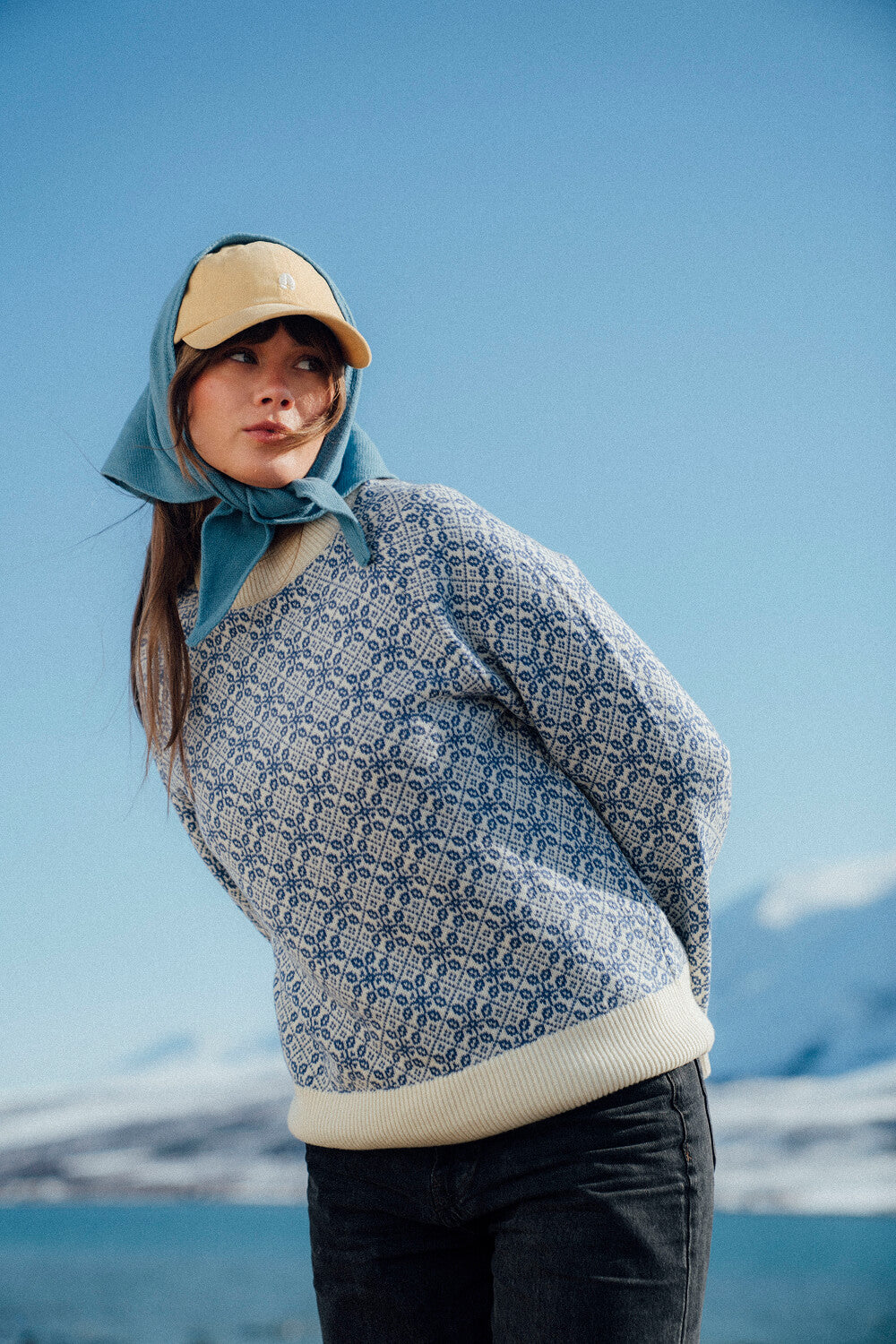
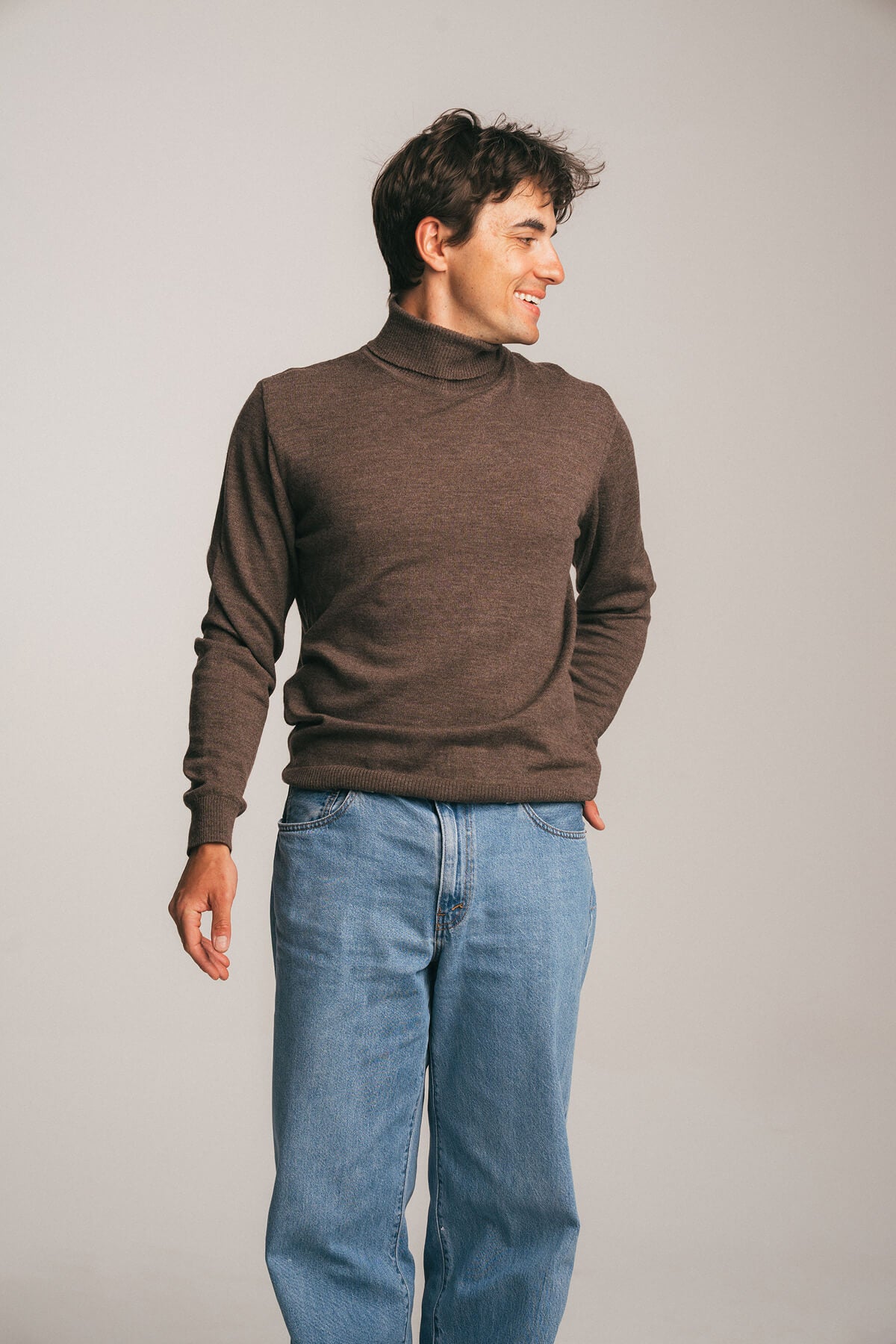
Merino wool is particularly valued for its softness and fine fibres. It is commonly used in sweaters, thermal base layers and garments worn close to the skin. Icelandic wool, associated with yarns such as Léttlopi, is popular for warm knitwear with a distinctive texture. It is also suitable for practical household textiles and thick, insulating sweaters.
Combed wool can be used for knitting and felting. Depending on the variety, it can be made into clothing, accessories or decorative items. Coarser sheep's wool is also used to produce carpets, rugs and home textiles. In the United Kingdom, where many different sheep breeds are raised, wool is classified according to characteristics such as fibre length, thickness, elasticity and lustre. These qualities help determine which applications a particular type of wool is best suited to.
Types of Sheep's Wool – A Comparison
Different types of wool vary in fibre thickness, softness and performance. The table below highlights the main differences and their most common uses.
| Type of Wool | Characteristics | Common Uses |
|---|---|---|
| Merino wool | Fine, soft and elastic fibres that feel comfortable against the skin | Sweaters, thermal base layers, hats, scarves |
| Icelandic wool | A combination of different fibre types with excellent thermal insulation | Chunky sweaters, outerwear |
| Shetland wool | Lightweight, elastic fibres with a distinctive fluffy texture | Sweaters, cardigans, knitwear |
| Corriedale wool | Medium-fine, elastic and versatile fibres | Sweaters, accessories, felted products |
| Longwool breeds (e.g. Lincoln) | Long, often coarser fibres with a distinctive sheen | Decorative textiles, carpets, speciality yarns |
Properties may vary depending on fleece quality, spinning methods and fabric finishing.
When choosing wool clothing, it's worth looking beyond the type of wool itself. Fibre thickness, composition and the way the fabric is made all play an important role in determining a garment's comfort and durability.
Natural Wool – Why Choose Animal-Based Fibres?

Wool is a natural, renewable resource. Sheep grow new fleece, which is regularly shorn. However, this doesn't automatically mean that every wool product has a low environmental impact. Farming practices, processing methods, transport, garment quality and durability, and the potential for reusing materials all matter. These are important factors to consider when shopping – using natural resources responsibly makes a difference.
One of wool's advantages is that it can biodegrade under suitable conditions, breaking down relatively quickly when buried in soil. This is very different from synthetic fibres derived from petroleum.
Wool can also be recycled, although the possibilities depend on the condition of the fibres and whether the material contains synthetic blends. Wearing clothes for longer and repairing them instead of throwing them away are other effective ways to reduce textile waste.
Sheep's wool has applications beyond clothing. In construction, it is used to manufacture insulation materials that help reduce heat transfer and absorb sound. Wool insulation for walls and lofts creates a layer that traps air. Some sheep's wool insulation products have a declared thermal conductivity of approximately 0.036–0.042 W/mK, depending on the specific product.
In gardening, processed wool fibres can be used to make mats that retain moisture and release it gradually, acting as a natural mulch. Wool is also an ingredient in organic fertilisers containing nutrients such as nitrogen, phosphorus and potassium. However, not all wool is suitable for direct use in gardening – its origin and preparation are important. Organic wool fertilisers are generally free from harmful substances. If a wool-based product is intended as a fertiliser, it should always be used according to the manufacturer's instructions.
Is sheep's wool good for your health? Wool can be comfortable for everyday wear, but it is neither a medical treatment nor a guarantee of specific health benefits. That said, improved thermal comfort may have a positive effect on certain aspects of well-being. Wool products are sometimes mentioned in the context of rehabilitation for people with rheumatic conditions and similar health concerns.
People with sensitive skin may experience irritation from certain wool fibres, so choosing the right type of wool for your individual needs is important.
How much does wool cost? The price depends on the type of fibre, raw material quality, processing methods and how the wool is sold. A kilogram of raw fleece will cost something different from a kilogram of combed yarn or finished clothing. There is therefore no single standard price per kilogram of sheep's wool. When comparing products, consider not only the price but also their composition, quality and intended use.
How to Care for Sheep's Wool Clothing

Wool clothing doesn't need to be washed after every wear. Often, simply airing a garment outside is enough to freshen it up. If the fabric isn't visibly dirty, this can help reduce washing frequency and preserve the wool's natural properties.
When washing is necessary, always check the garment's care label first. If machine washing is permitted, choose a wool or delicate cycle and use a detergent specifically designed for wool. Avoid high temperatures, excessive rubbing and wringing, as these can cause the fibres to felt.
After washing, gently press out any excess water and lay the garment flat to dry, away from radiators and direct sunlight. Wet knitwear can stretch under its own weight, so it's best to avoid hanging it on a hanger.
Sheep's wool is an incredibly versatile material, but making the most of its benefits starts with choosing the right type and caring for it properly. Whether you're looking for a lightweight sweater, warm winter knitwear or home textiles, it's worth checking the fibre composition, origin and care instructions. This will help you choose products that can stay with you for years to come.