Article: Mohair vs Angora Wool – Differences and Care
Mohair vs Angora Wool – Differences and Care
Angora and mohair are often mentioned together when discussing soft, lightweight and warm fibres. It is no surprise that the two are sometimes confused. Both are animal fibres, both are used to make knitwear and clothing, and their names are linked to Ankara in Turkey, historically known as Angora.
However, they are two very different materials. Angora fibre comes from Angora rabbits, while mohair is obtained from the coats of Angora goats. They differ not only in origin, but also in their properties, appearance, durability and how the fibres are harvested.
Understanding the difference is useful when choosing a jumper, scarf or another garment made from these fibres. The term “angora wool” usually refers to knitwear made from rabbit hair, whereas mohair comes from goats. Discover what these fibres have in common, how they differ and how to care for them properly.
Angora Wool: What Is It and Where Does It Come From? Is Angora Itchy?
Angora is a natural fibre obtained from the coats of Angora rabbits. It is valued for its lightness, fluffiness and excellent thermal insulation. If you are comparing angora with mohair or want to make an informed choice when buying natural-fibre clothing, the key distinction is simple: angora comes from rabbits, not goats. It is most commonly used in lightweight jumpers, scarves, hats and other knitwear for colder days.
The name can be misleading because, strictly speaking, wool refers primarily to the fibre obtained from sheep. Sheep’s wool, including merino wool, has a different structure from angora fibre. Angora is a natural animal fibre used in the textile industry in much the same way as other luxury materials. That is why it is worth understanding the differences between angora and mohair, including their properties, uses, sourcing methods, ethical considerations and care requirements before buying a finished garment.
The fibres that make up an Angora rabbit’s coat are extremely fine and lightweight. Research shows that their diameter can vary considerably depending on the rabbit breed and fibre type. Some down fibres typically measure around 12–16 microns in diameter.
This fineness gives angora its distinctive appearance. The material is fluffy and soft, creating what is known as a “halo effect”: a delicate layer of fibres that seems to float above the surface. This gives angora garments their characteristic look.
Angora is also exceptionally lightweight compared with many other types of wool. A small amount of fibre can add fluffiness and warmth to a knitted fabric without significantly increasing its weight. At a similar weight, it is generally warmer than sheep’s wool, which is why it is often used for garments that are both lightweight and very warm.
However, its delicacy is also one of its main drawbacks. Angora fibres are prone to felting and wear, so they are often blended with other fibres. These blends can improve the durability of the knit and make the finished garment easier to wear and care for every day.
Angora is also hygroscopic, meaning it can absorb moisture — reportedly up to around 50% of its own weight in water. It contains no lanolin, which may reduce the risk of certain allergic reactions. However, it is not particularly durable.
So, what is angora made from? The answer is simple: fibres obtained from Angora rabbits. Mohair, by contrast, comes from Angora goats, although both names are associated with the same region.

Mohair Wool: Properties and Uses of Fibre from Angora Goats
Mohair is made from the coat of the Angora goat. This distinction matters because, despite the similar names, mohair does not come from rabbits. Textile industry sources describe it as the soft, silky hair of the Angora goat.
Is mohair wool? It is often referred to as “mohair wool” in everyday language, but in terms of its origin, it is goat hair rather than sheep’s wool. Like alpaca and cashmere, mohair is a natural animal fibre used to make clothing and textiles.
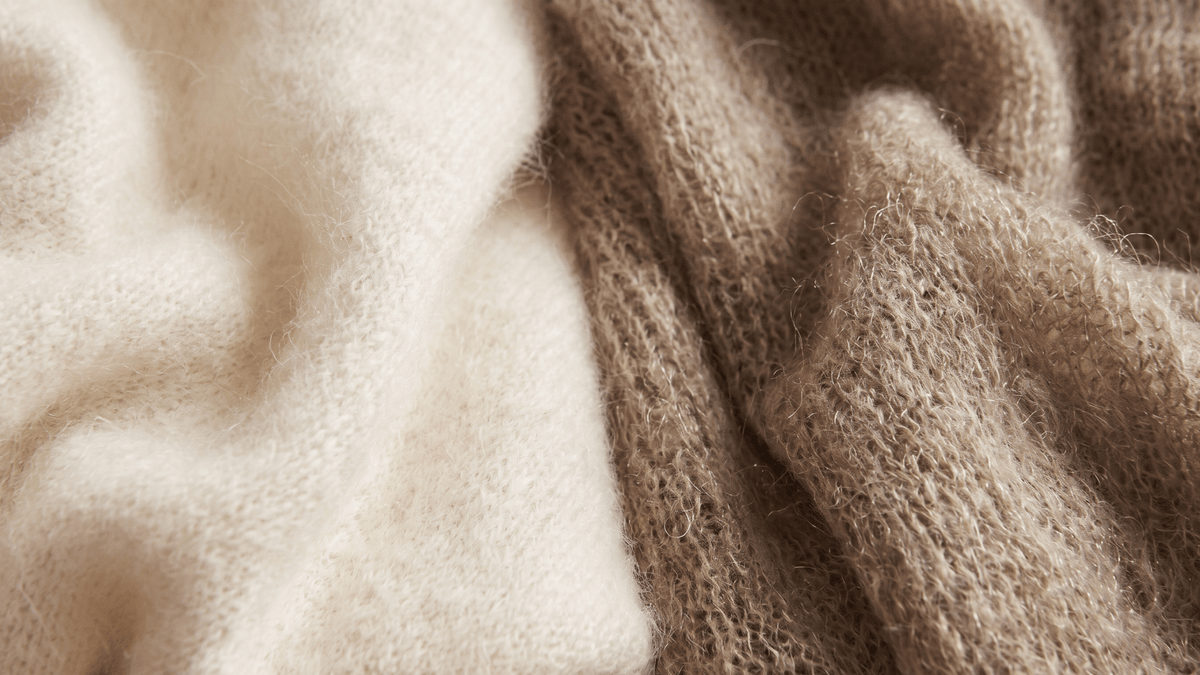
One of mohair’s most distinctive features is its lustre. The fibres reflect light, giving the fabric or knit a subtle sheen and refined appearance. Mohair is also lightweight, resilient and hard-wearing. Textile industry sources highlight its durability and resistance to abrasion.
Mohair is therefore well suited to products that combine lightness, warmth and a distinctive appearance. It is used to make jumpers, coats and scarves, as well as blankets and decorative fabrics.
Mohair can be used on its own, but it is more commonly found in blends. It can be combined with sheep’s wool, merino wool, cotton or synthetic fibres such as polyester and acrylic. Silk and viscose can also be used in blends. These combinations change the characteristics of the finished material — for example, by improving durability, reducing fluffiness or helping the knit retain its shape.
That is why checking the full composition is important when buying a mohair jumper. A knit containing 30% mohair and a suitable blend of other fibres can feel very different from one with a much higher mohair content. If the proportions are reversed and a fibre such as polyamide predominates, the characteristic properties of mohair may be less noticeable.
Like other natural materials, mohair can also help manage moisture. This does not mean that the fabric stays completely dry in every condition, but its properties can make it comfortable to wear in changing temperatures.
Compared with typical sheep’s wool, mohair stands out for its smoothness, lustre and resilience. Sheep’s wool, on the other hand, varies widely depending on the breed and fibre thickness. Merino wool is a good example: its very fine fibres are valued for their softness and comfort against the skin.

Is Mohair Wool? What You Need to Know About This Fibre
This is a common question, especially when comparing different types of natural fibres.
The simplest answer is this: mohair is not sheep’s wool. It is a natural fibre obtained from the coat of the Angora goat. The term “mohair wool” is widely used in the textile industry, but it does not mean that the fibre comes from sheep.
The same applies to the term “angora wool”. In this case, too, the fibre does not come from sheep. Angora is obtained from the coats of Angora rabbits.
Here is a simple guide to the origins of some popular fibres:
- Sheep’s wool — comes from sheep.
- Merino wool — a type of wool obtained from Merino sheep.
- Mohair — comes from Angora goats.
- Angora — comes from Angora rabbits.
- Cashmere — comes from the fine undercoat of cashmere goats.
All of these are natural animal fibres, but they are not the same material.
It is also worth considering the characteristics that distinguish each fibre. Mohair is known for its lustre and resilience, while angora is fluffier and more delicate. Sheep’s wool can vary significantly depending on the fibre type, while merino wool is particularly valued for its exceptional softness.
Is mohair itchy? There is no single answer. How it feels against the skin depends on factors such as fibre thickness, fabric construction and individual skin sensitivity. The same applies to angora. The name alone does not mean that a material will feel irritating or itchy.
If you have sensitive skin, pay attention to the actual fibre composition and how the garment is made, rather than relying on the fibre name alone. It also matters whether the knit comes into direct contact with your skin.
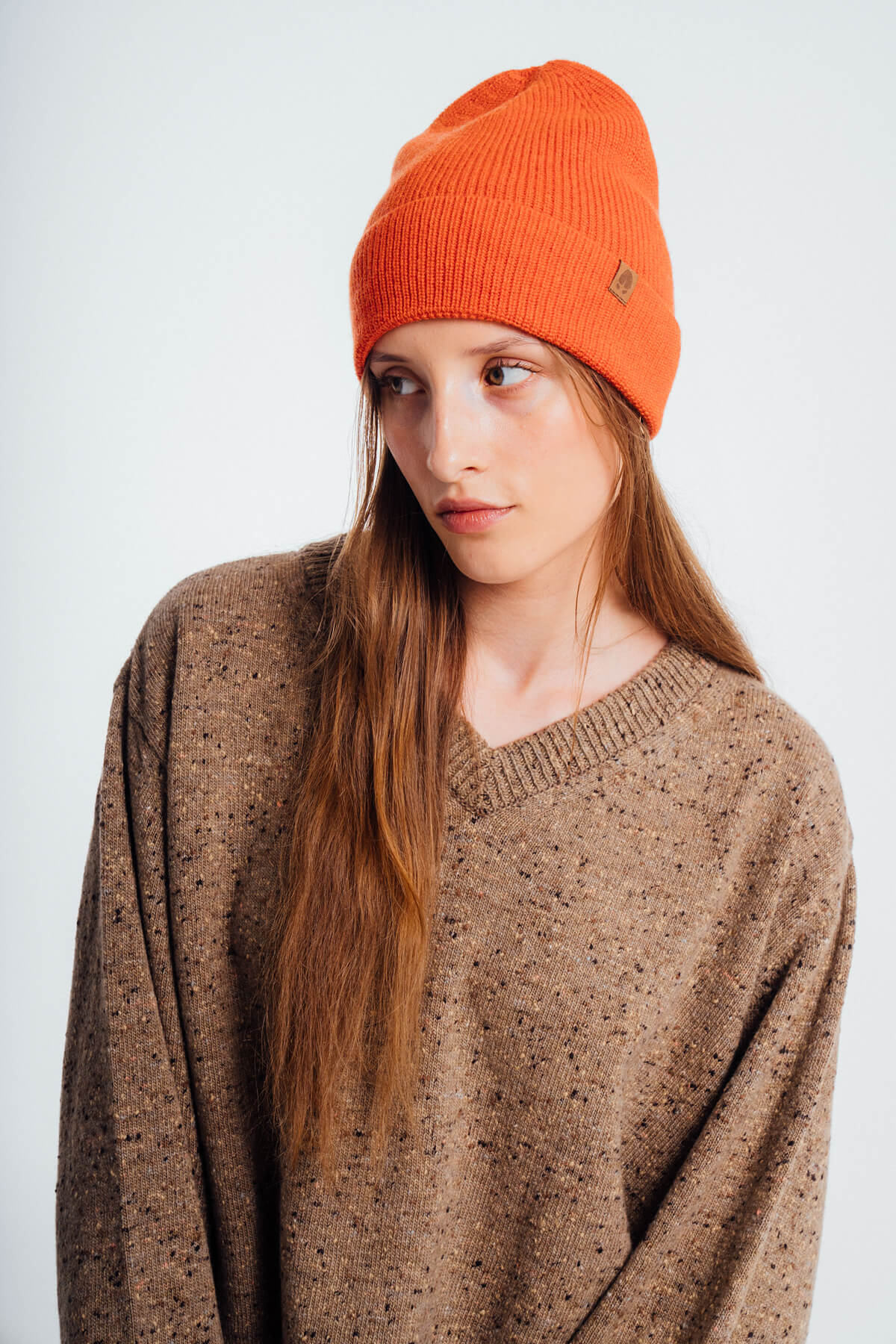
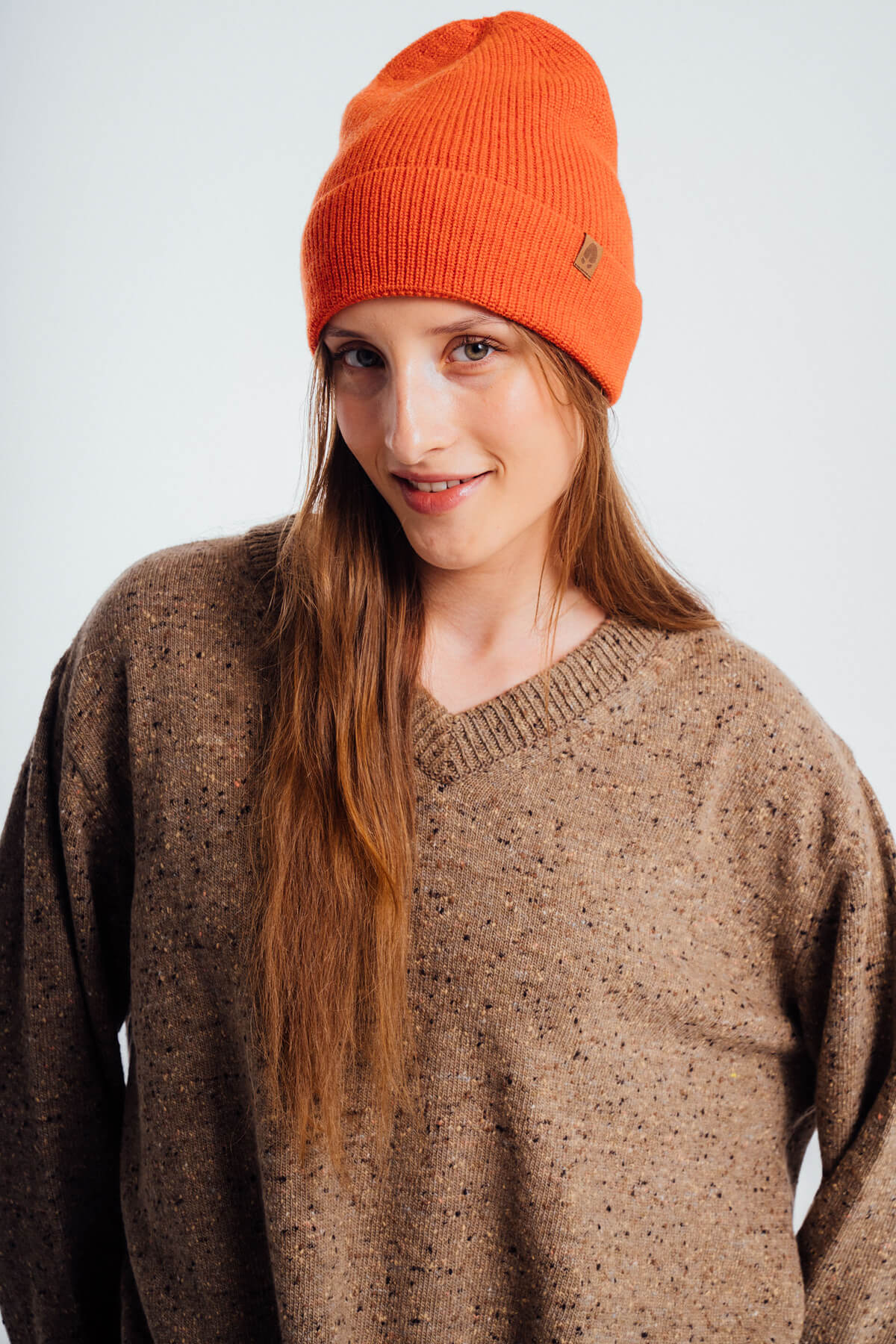
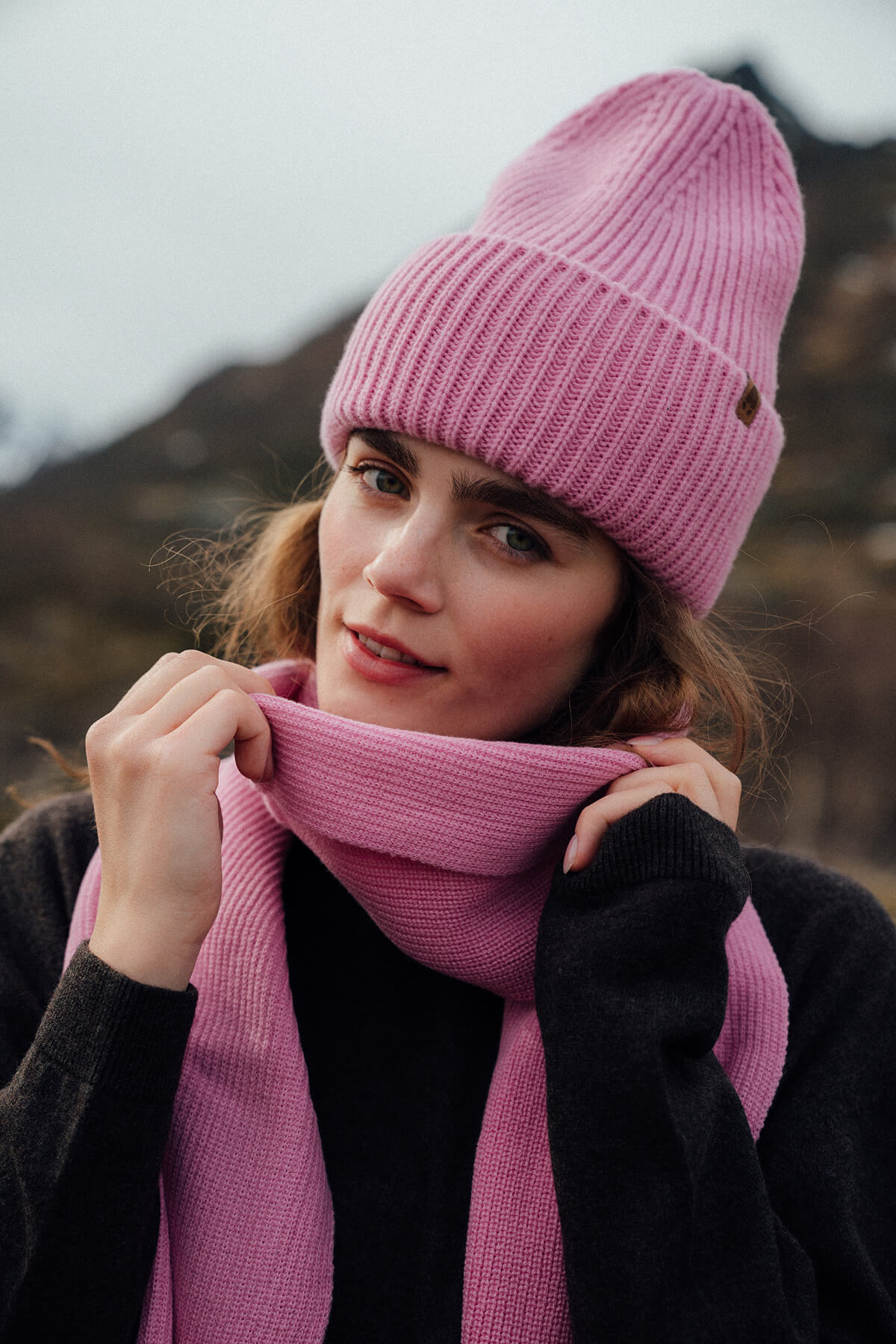
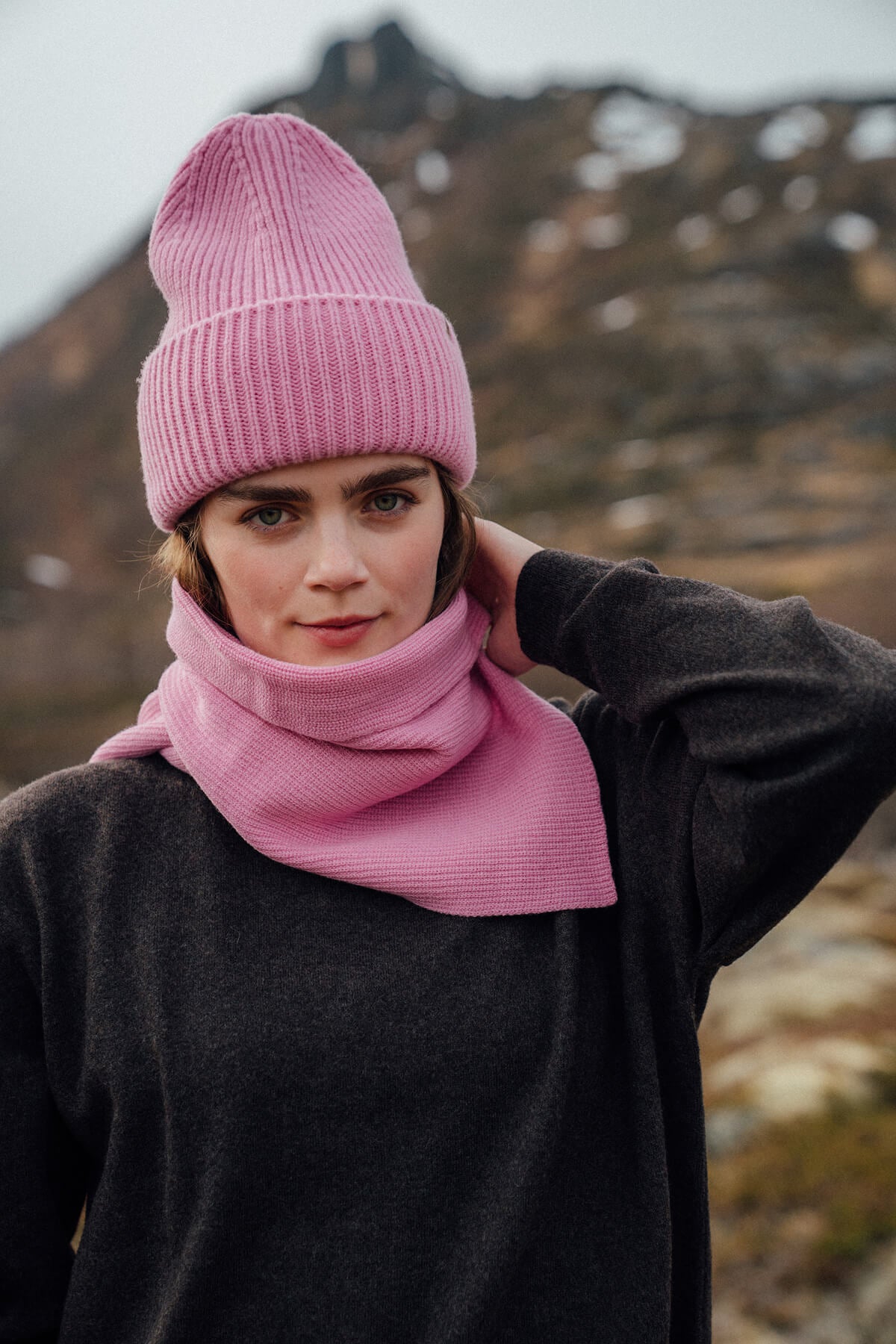
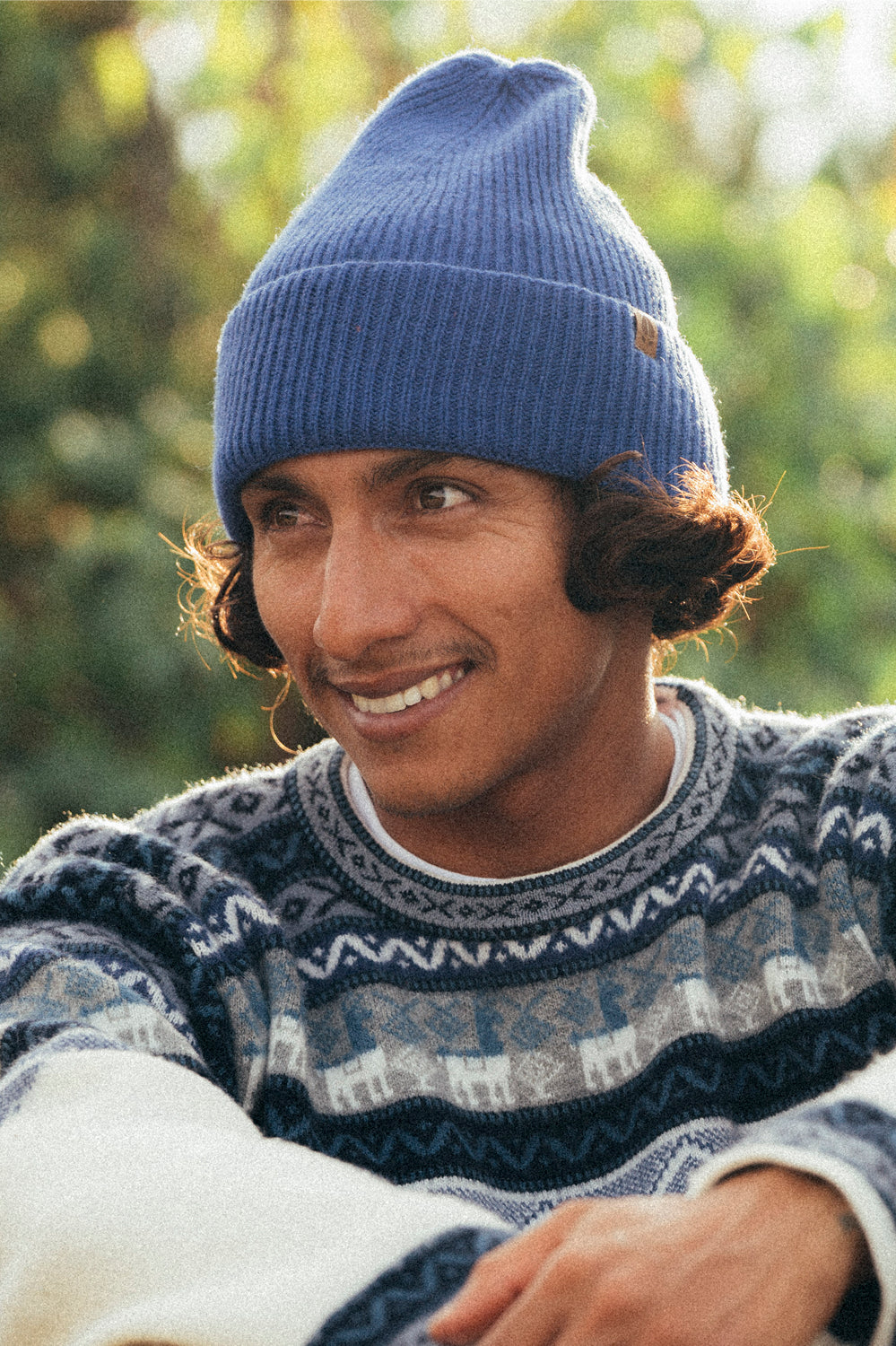
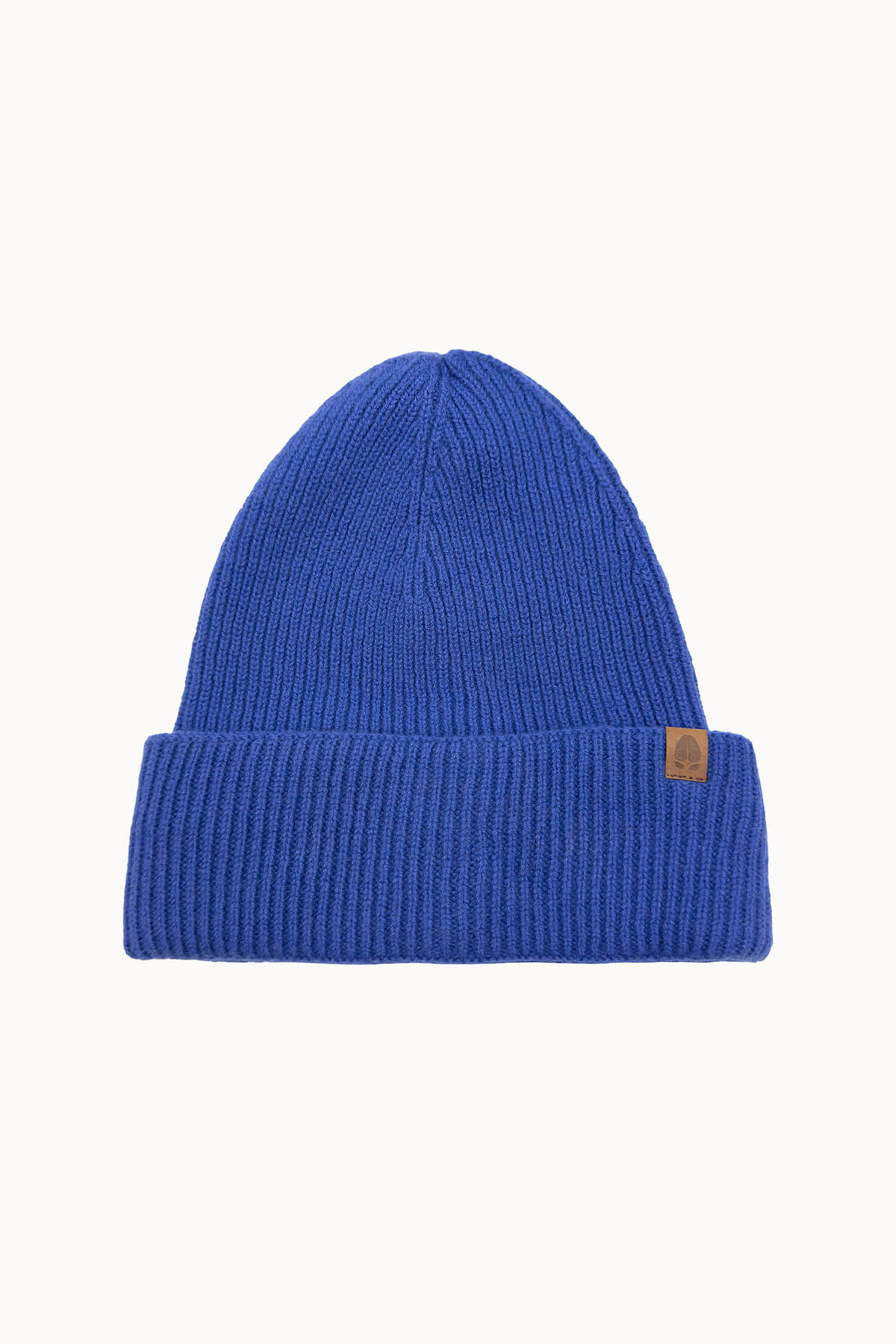
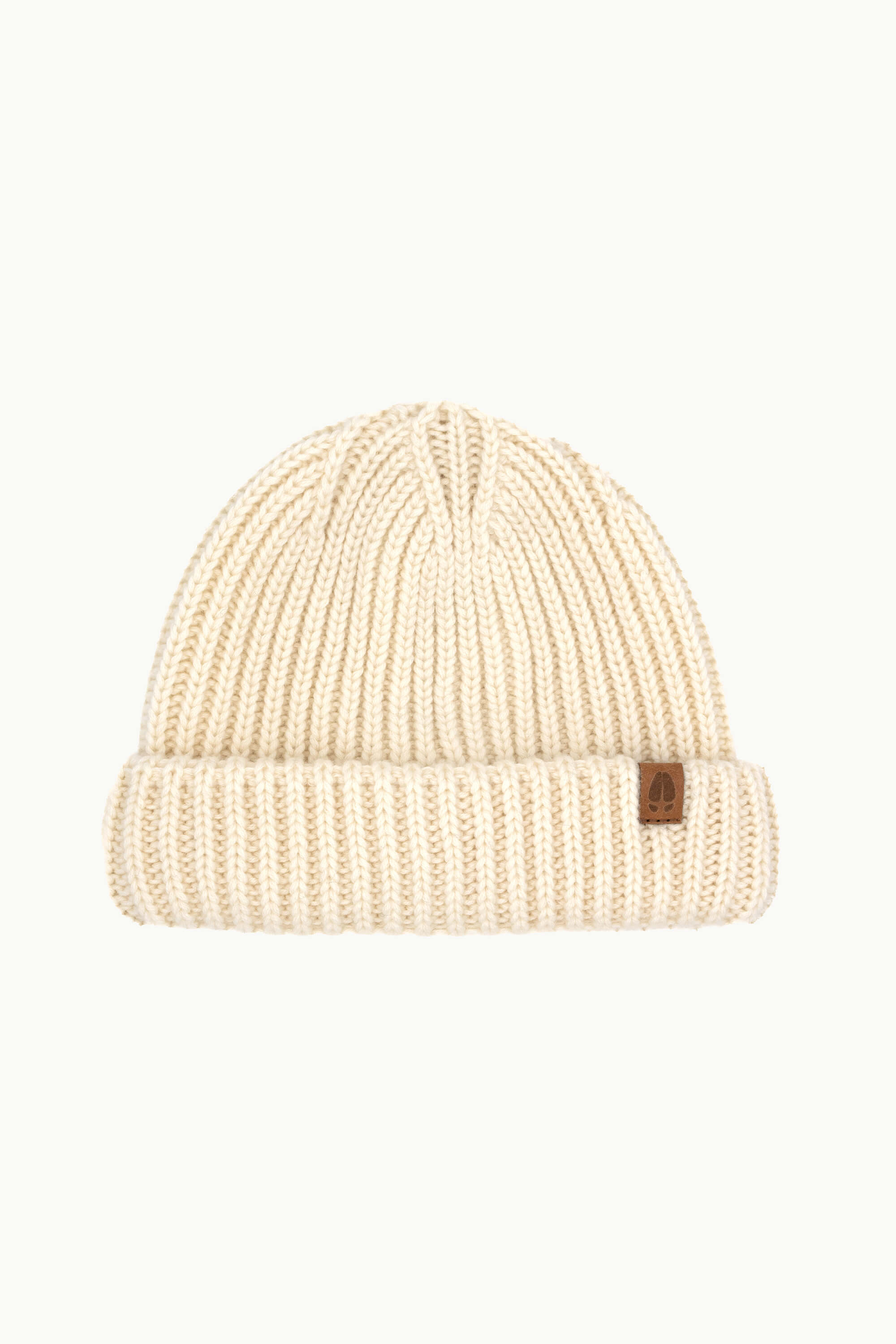
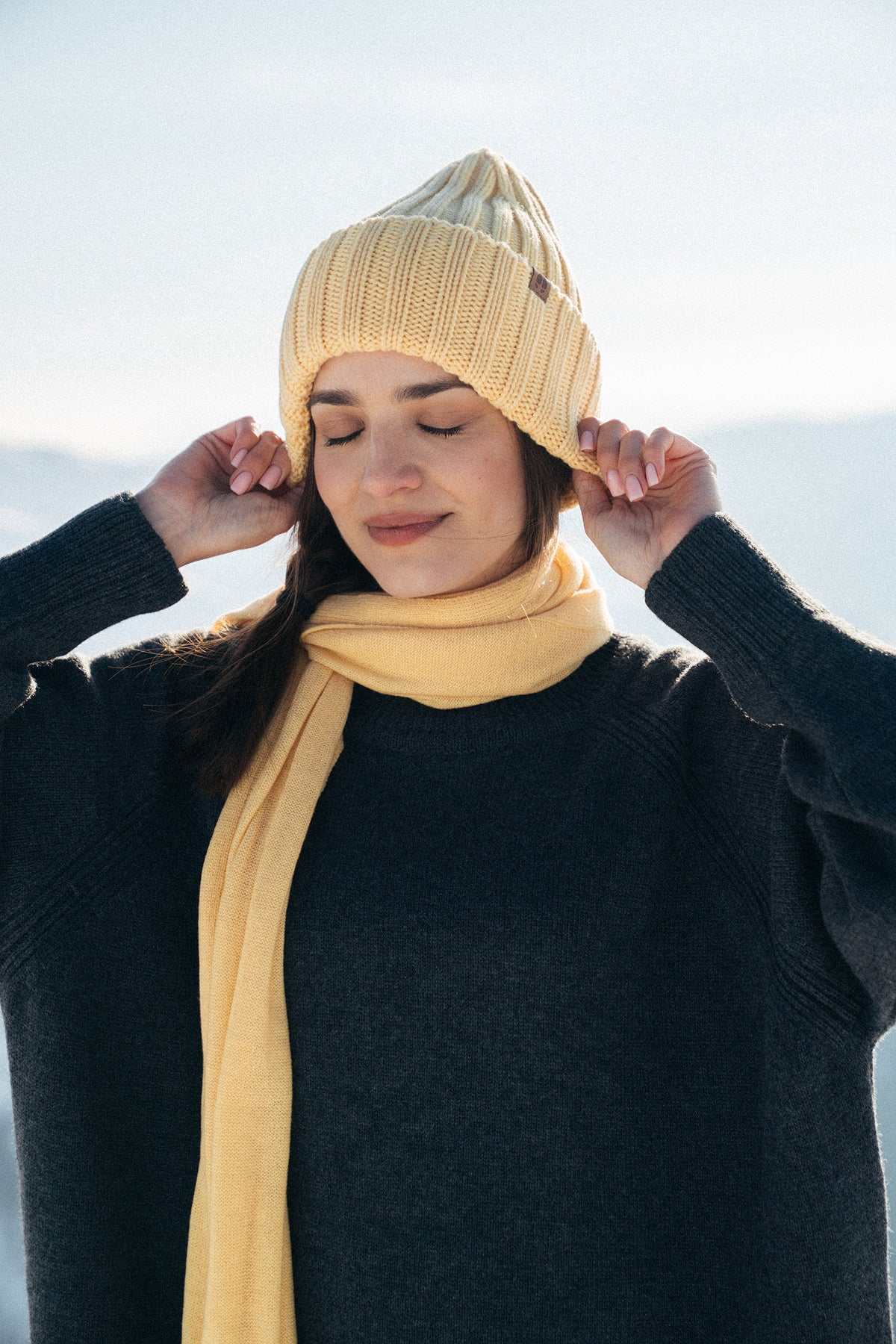
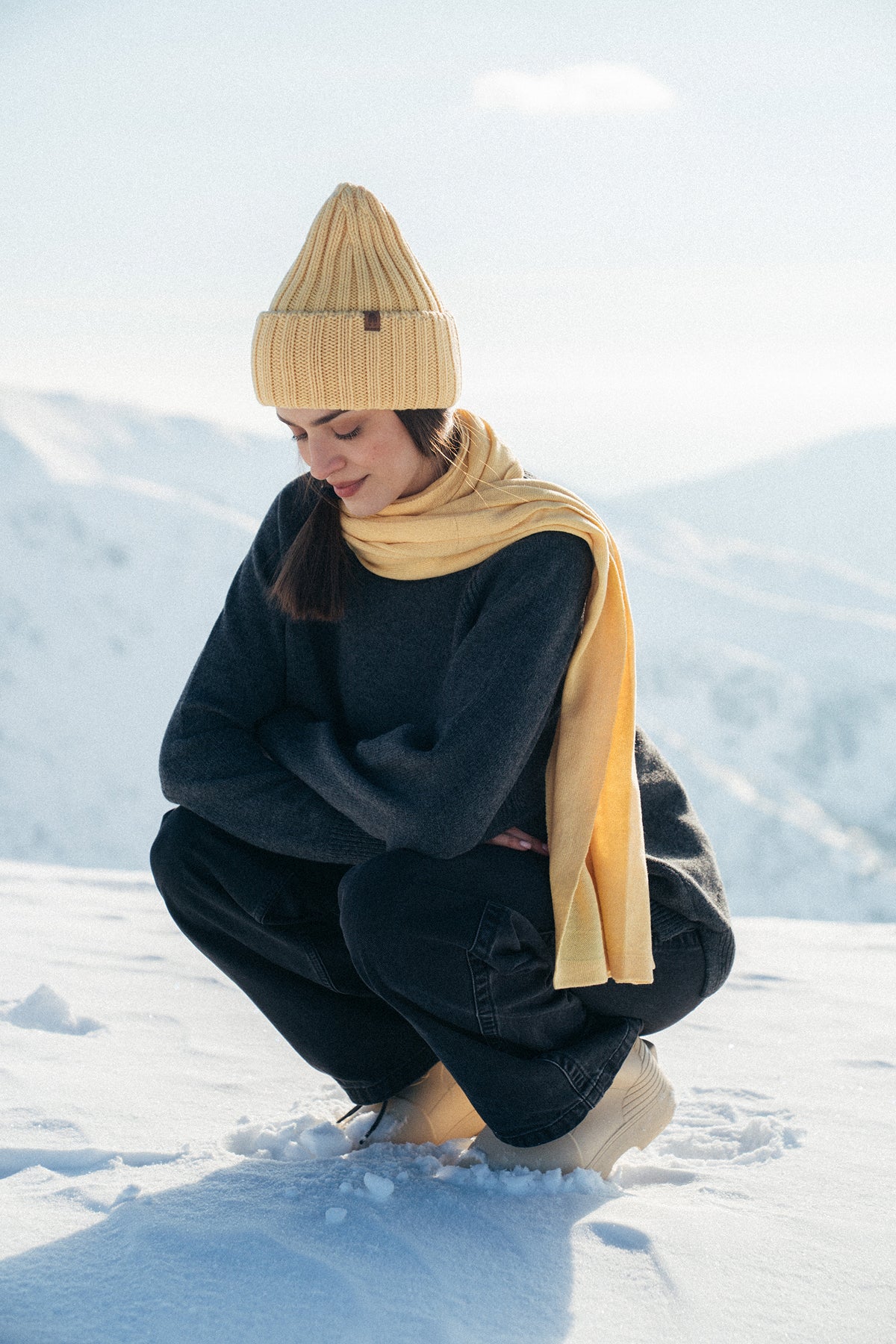
Our SAOLA hats are the first product in the KOPYTO collection to feature mohair. They are made from a beautiful blend of mohair and silk and come in several lovely colours. The breathable knit has a refined appearance, a wonderfully soft feel and a subtle three-dimensional texture. To help prevent potential irritation around the forehead, the inside of each hat is finished with a soft merino wool band that rests against the skin and provides the kind of comfort you can expect from most of our animal-inspired pieces.

Rabbit Angora vs Angora Goat Mohair: The Key Differences
As we have established, the main difference is straightforward: rabbit angora and fibre from the Angora goat come from two different animals.
Angora comes from Angora rabbits, whose coats produce very fine, soft and fluffy fibres. These fibres are valued primarily for their lightness, delicacy and insulating properties. For this reason, angora is often used in lightweight knitwear, scarves and jumpers.
Mohair, on the other hand, comes from Angora goats. It is more resilient, durable and naturally lustrous. This makes it suitable not only for lightweight clothing, but also for fabrics and knits that need to withstand more wear.
The difference is also visible in the finished product. Angora creates an especially fluffy surface. Mohair can be fluffy too, depending on the yarn, but its natural lustre remains one of its most recognisable features.

The table below summarises the main differences between angora and mohair:
| Feature | Angora | Mohair |
|---|---|---|
| Source | Angora rabbit | Angora goat |
| Appearance | Very fluffy, with a distinctive halo effect | Naturally lustrous; can also be fluffy |
| Feel | Very soft and delicate | Smooth and silky |
| Thermal insulation | Very good | Good |
| Durability | Delicate; prone to felting and wear | More resilient and hard-wearing |
| Uses | Jumpers, scarves and hats | Jumpers, scarves, coats and hats |
| Care | Particularly delicate; follow the care label | Gentle care; follow the care label |
The fibres also behave differently when worn. Angora is delicate and more likely to felt or wear down. Mohair is considerably more resistant in this respect. This is one reason why angora is often blended with other fibres, for example, with sheep’s wool.
This does not mean that one material is simply better than the other. Each has its own uses. If you are looking for exceptional lightness and fluffiness, angora may be an interesting choice. If resilience, lustre and durability matter more to you, mohair is worth considering.
The ethics of fibre sourcing also deserve attention. In the case of Angora rabbits, the method used to obtain the fibre is particularly important. Some producers use shearing, but controversial harvesting methods have also been used in the past and continue to be reported in parts of the supply chain. The FAO describes both shearing and plucking, noting that certain methods can cause stress and suffering to animals.
For this reason, it is worth checking where a product comes from and how its fibres were obtained. ISO 4465 also addresses animal welfare, traceability and practices related to sourcing fibre from Angora rabbits.
Angora Fibre: How It Is Obtained from Angora Rabbits and What Makes It Unique
Angora production begins with the breeding of Angora rabbits. Their coats grow continuously and need regular grooming or trimming, as excessively long fur can become tangled and matted.
One method is shearing. Suitable scissors or clippers are used, and the process should be carried out carefully to minimise the risk of injury. The FAO describes regular shearing of Angora rabbits, generally at intervals of a few months.
Another method involves combing or removing mature fibres. This requires appropriate timing and experience. The way the fibre is collected is one of the most important issues surrounding angora, as it affects not only fibre quality but, above all, animal welfare.
That is why describing angora as “natural” is not enough. A natural material is not automatically sourced in accordance with high animal welfare standards. If the origin of a material matters to you, look for information about the farm, supplier and harvesting method. Sources report that as much as 90% of angora comes from China, where animal welfare has raised concerns in parts of the industry, including over living conditions and animal suffering.
There are, however, companies working to show that angora production can be more ethical and sustainable.
In terms of its properties, angora is exceptionally lightweight, delicate and fluffy. Its fibres have a very small diameter, and their structure helps trap air. As a result, even a small amount of the material can provide good thermal insulation.
Lightness is one of angora’s greatest advantages. A luxurious jumper or a winter accessory does not have to feel heavy, while the delicate knit retains its characteristic fluffy appearance.
At the same time, angora cannot be treated like just any other knitwear. It requires extra care when worn, washed and dried, and its delicate fibres can make it less durable than other materials. It should be washed at a low temperature and handled gently.
Without proper care, the fibres can felt quickly, and intensive friction can cause the material to lose its original appearance.
This is why angora is often blended with other fibres. Sheep’s wool, merino wool, silk or synthetic fibres can help create a more stable material that is better suited to everyday wear.
Some people consider angora even better than merino wool for thermal insulation and softer than cashmere. However, the best choice depends on the material’s specific properties, the product itself and its intended use.
Angora and Mohair Knitwear: Advantages and Disadvantages
Angora and mohair have similar applications, but they create very different effects. Both are used in clothing, yet each has its own strengths and weaknesses.
Angora is exceptionally lightweight, soft and fluffy. Its appearance can make even a simple jumper look special. It works well in lightweight knitwear, scarves, hats and gloves. It is a good option for those who appreciate delicacy and a distinctive fluffy texture.
Its main drawback is its lower resistance to intensive wear. Angora can pill, felt and shed fibres. Garments with a high angora content therefore require extra care when worn and washed.
Mohair is more durable in this respect. Its fibres are resilient and hard-wearing, while the material retains its characteristic lustre. This makes mohair a good option for jumpers, coats, scarves and other pieces designed to be worn for a long time.
That does not mean mohair is entirely maintenance-free. Like any delicate knit, it requires appropriate care. Following the instructions on the care label is particularly important.
Before washing, check whether the manufacturer allows machine washing. If so, select the appropriate programme and temperature. For delicate knits, hand washing may be the safer option. Avoid rubbing the material vigorously, wringing it out or leaving it to soak for too long.
After washing, gently press out excess water and leave the garment to dry flat. Hanging a wet jumper can cause it to stretch under its own weight. This is particularly important for lightweight, fluffy knits.

It is also worth remembering that natural materials do not necessarily need to be washed frequently. If a garment is not dirty, airing it out may be enough. This applies to other natural fibres too, including sheep’s wool and merino wool, which can manage moisture and odours effectively thanks to their structure.
What about the question, “Is angora itchy?” A material should not be judged by its name alone. How it feels when worn depends on the fibre type, its thickness, the construction of the knit and individual sensitivity. Anyone prone to skin irritation or allergies should check the garment’s full composition and, where possible, feel the material before buying.
Ultimately, choosing between angora and mohair comes down to what you want from a garment. Angora stands out for its lightness, fluffiness and delicacy. Mohair offers greater resilience, distinctive lustre and good durability. Both are natural animal fibres, but they call for an informed choice and appropriate care.
It is also worth remembering that a material’s luxurious character is not determined by its price or name alone. Fibre quality, production methods, the composition of the finished garment and the quality of construction all matter. A good knit should meet the wearer’s needs: it should feel pleasant against the skin, provide the right level of warmth, be comfortable and suit the way it will be worn.
So, if you see a garment labelled “angora”, check what the name actually refers to. If you are choosing mohair, make sure it contains fibre from the Angora goat rather than simply being designed to look like mohair.
The name may be your first clue, but the composition, origin, construction and care requirements will ultimately determine how well the garment works in your wardrobe.