Article: Camel Wool, Cashmere, Llama Wool and Other Rare Types of Wool
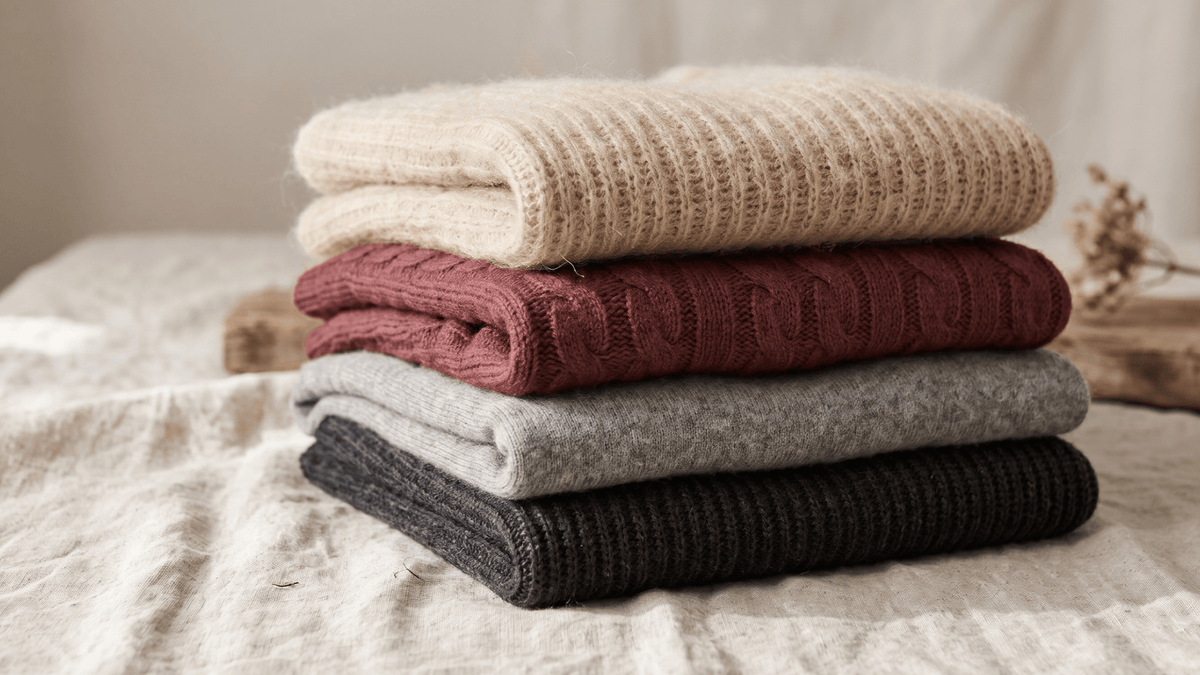
Camel Wool, Cashmere, Llama Wool and Other Rare Types of Wool
Not all natural animal fibres come from sheep. Camel wool is a natural fibre obtained from the undercoat of Bactrian camels, valued for its warmth, lightness and distinctive, elegant sandy colour. Clothing and textiles are also made from the hair of cashmere goats, alpacas and llamas. Each fibre has its own qualities, from softness and durability to comfort in changing conditions.
Camel wool is durable and has long been associated with luxury and excellent insulation. Its benefits are easiest to appreciate alongside other rare fibres. If you are interested in natural animal fibres and want to make an informed choice of clothing or accessories, it is worth knowing where they come from, what makes them special and how they are best used.
This article explores the origins, properties, advantages, drawbacks and uses of camel wool, as well as how it differs from fibres such as merino wool. It will help you decide when camel hair is a good choice and when another material might suit you better.
Camel wool – what is it and where does it come from?
Camel wool is a natural material obtained mainly from the undercoat of two-humped Bactrian camels. These animals live in Mongolia, China and other parts of Central Asia, where they cope with dramatic temperature changes. Their coats have two layers: longer, coarse guard hairs and a soft, dense undercoat that protects them from the cold.
It is this finer layer that is most valuable in textile production. The fibres are collected during seasonal shedding, usually in spring. They can be combed out or gathered as the hair naturally falls, then sorted, washed and carded. This can be a gentler approach, although animal welfare still depends on how the animals are handled. The entire coat is not normally shaved off; any clipping tends to be occasional and limited to selected areas.
It is hardly surprising that less widely available camel wool costs more than conventional sheep's wool.
The finest variety is baby camel, a fibre obtained from young camels. It is particularly prized for its softness and fine diameter. The soft undercoat of adult camels typically measures around 19–24 microns, although this varies by origin and grade. Baby camel fibres can be finer still, making them potentially more comfortable for people sensitive to coarse textures.
Natural camel wool is usually sandy, beige or light brown. These shades look beautiful without intensive dyeing, so the fibre is often left in its natural colour. Collecting, sorting and preparing camel hair is part of the craft traditions of communities in camel-rearing regions.

Properties of camel wool – warmth, lightness and durability
One of camel wool's greatest advantages is its excellent thermal regulation relative to its low weight. The fine undercoat helps camels withstand cold nights and severe temperature fluctuations. In finished textiles, the fibre also provides warmth, while its naturally crimped structure helps trap insulating air between fibres.
Like other types of wool, camel wool is hygroscopic: it can absorb moisture and gradually release it into the surrounding air. This helps regulate body temperature and reduce the feeling of dampness against the skin. It does not mean the fabric cools you in every situation, but its natural structure supports thermal comfort. A well-chosen fabric can keep you warm while helping to prevent overheating in everyday winter conditions.
Camel fibres are lightweight, and properly processed wool can feel soft and pleasant against the skin. However, it is important that the fine undercoat is separated thoroughly from the coarser guard hairs, which can make the finished fabric feel rough.
Camel wool is sometimes described as having health benefits or being hypoallergenic. Such claims should be treated with caution. Natural fibres can provide thermal comfort, but they are not medical products and cannot be assumed to treat conditions or prevent irritation. Camel wool should not be described as rich in lanolin either: lanolin is primarily associated with sheep's wool and is sometimes linked to conditions less favourable to dust mites.

Camel wool versus sheep's wool and other natural fibres – key differences
Camel wool is often compared with cashmere, sheep's wool and alpaca fibre. All are animal-derived, but they differ in structure, softness, availability and price.
Compared with sheep's wool, camel hair is less common, and its fine undercoat must be separated from the coarser outer hairs. Sheep's wool comes in many varieties, from fine merino to stronger fibres used for carpets and blankets. Camel wool is especially valued for its natural colour, lightness and insulating properties. Its naturally wavy fibres help retain warmth, particularly in winter. It is also used in products such as duvets.
Cashmere comes from the fine undercoat of cashmere goats. It is known for exceptional softness and lightness, and its price depends on fibre quality and length. Baby camel can rival cashmere for softness, while its light weight makes finished garments comfortable to wear. Moisture absorption also contributes to breathability and thermal comfort, helping explain the fibre's association with luxury.
Remember that the word “camel” on a label can describe a colour rather than the fibre content. If you want genuine camel wool, check the exact composition and percentage of camel fibre. Whether a textile is suitable for someone sensitive to dust mites depends on its construction, use and care. Lanolin is also relevant to some wool products: while sometimes credited with beneficial properties, it can cause sensitivity in certain people.

Luxury wool varieties: alpaca, llama, lambswool, Shetland and baby camel
Natural fibres used in clothing and accessories include several varieties with distinctive properties.
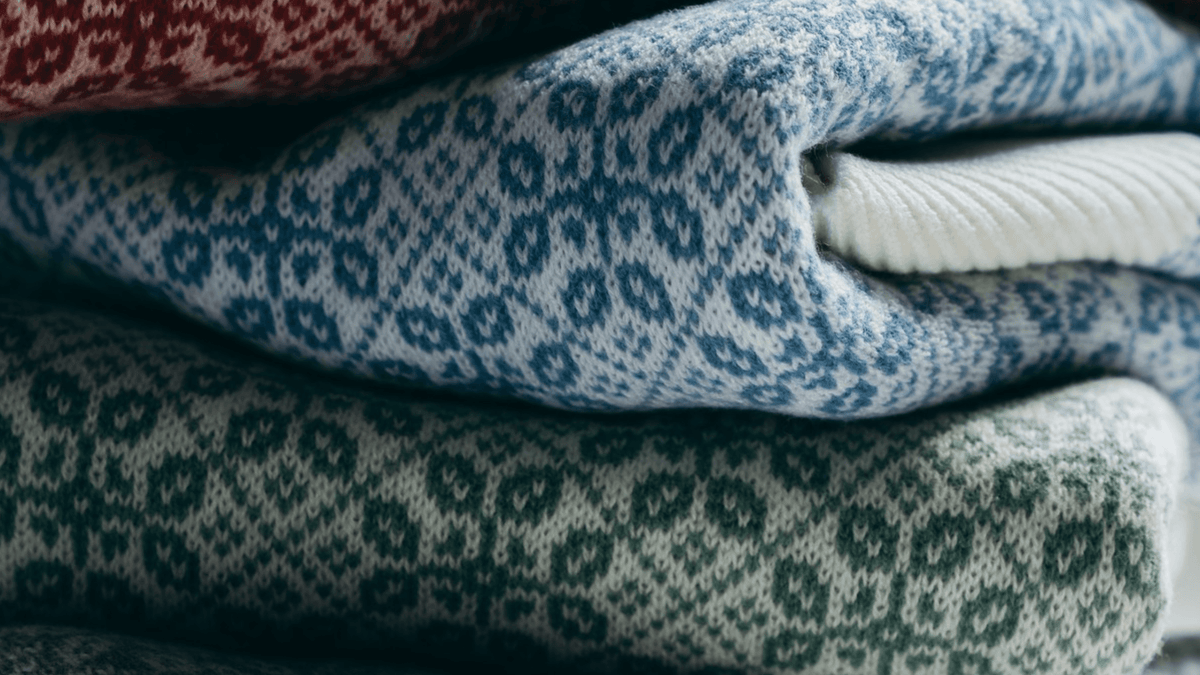
Alpaca fibre comes from animals native to the Andes. It is prized for its softness, lightness and excellent insulation. Available in many natural shades, it is used for jumpers, cardigans, hats and scarves. Alpaca fibre does not contain lanolin in the same way as sheep's wool.
Llama fibre also comes from South America. Its thickness and softness vary, and its uses depend on the quality of the undercoat and the proportion of coarser hairs. It is made into yarn, fabrics and warm accessories.
Lambswool is wool obtained from a young sheep's first shearing. Often soft and springy, it is used in knitwear and garments worn close to the skin. Camel wool tends to cost more than conventional sheep's wool, partly because global production is much smaller. Lambswool's properties depend on the breed and age of the animal.
Shetland wool comes from sheep raised in the Shetland Islands. It is known for its resilience, durability and rich range of natural colours. It is spun into yarns of different weights for knitting and weaving; finer varieties can also be used for children's clothing and garments for sensitive skin. Compared with luxury fibres such as cashmere, camel wool can be relatively competitively priced. As a rough guide, some camel wool yarns cost PLN 31–62, depending on the product.
Baby camel wool is an exceptionally fine variety of camel wool obtained from the soft undercoat of young camels, usually Bactrian camels. Its fine fibres, lightness and softness make it popular in luxurious knitwear and woven fabrics. It is used for jumpers, scarves, hats and lightweight coats. Because this fine fibre is available only in limited quantities, it is among the more exclusive and expensive natural fibres.
Comparing natural wool varieties
| Type of wool | Key properties | Typical uses |
|---|---|---|
| Camel wool | Warm, lightweight, good thermal insulation | Coats, jumpers, blankets |
| Baby camel | Very soft, fine and lightweight | Luxury jumpers, scarves, hats |
| Cashmere | Exceptionally soft, light and warm | Jumpers, scarves, premium clothing |
| Alpaca | Soft, warm, available in many natural colours | Cardigans, hats, scarves |
| Llama | Varied fibre thickness and softness | Yarn, fabrics, accessories |
| Lambswool | Soft and resilient | Jumpers, knitwear |
| Shetland wool | Resilient and durable | Jumpers, yarn, winter clothing |
| Merino | Fine, breathable, temperature-regulating | Base layers, sportswear, jumpers |

Peruvian, New Zealand and Icelandic wool – what makes them different?
Geographical names can refer to where a fibre comes from, a local animal breed or a traditional way of processing it. They do not always identify a single type of fibre.
Peruvian wool is often associated with alpaca, an animal closely linked to the Andean landscape. Alpaca fibre is used for soft yarns, jumpers, cardigans, blankets and accessories. However, it is worth checking the actual composition, as a country name alone does not guarantee alpaca content.
New Zealand is known for its diverse sheep's wool production. Alongside fine merino, it produces stronger fibres used in blankets, carpets, home textiles and comfortable clothing worn next to the skin. The differences mainly reflect sheep breeds and fibre thickness.
Icelandic wool has a distinctive two-layer structure. The longer, coarser outer fibres, known as tog, help protect against moisture, while the finer undercoat provides insulation. The layers can be used separately or combined in yarn, creating fabrics with a distinctive texture and excellent properties for colder days.

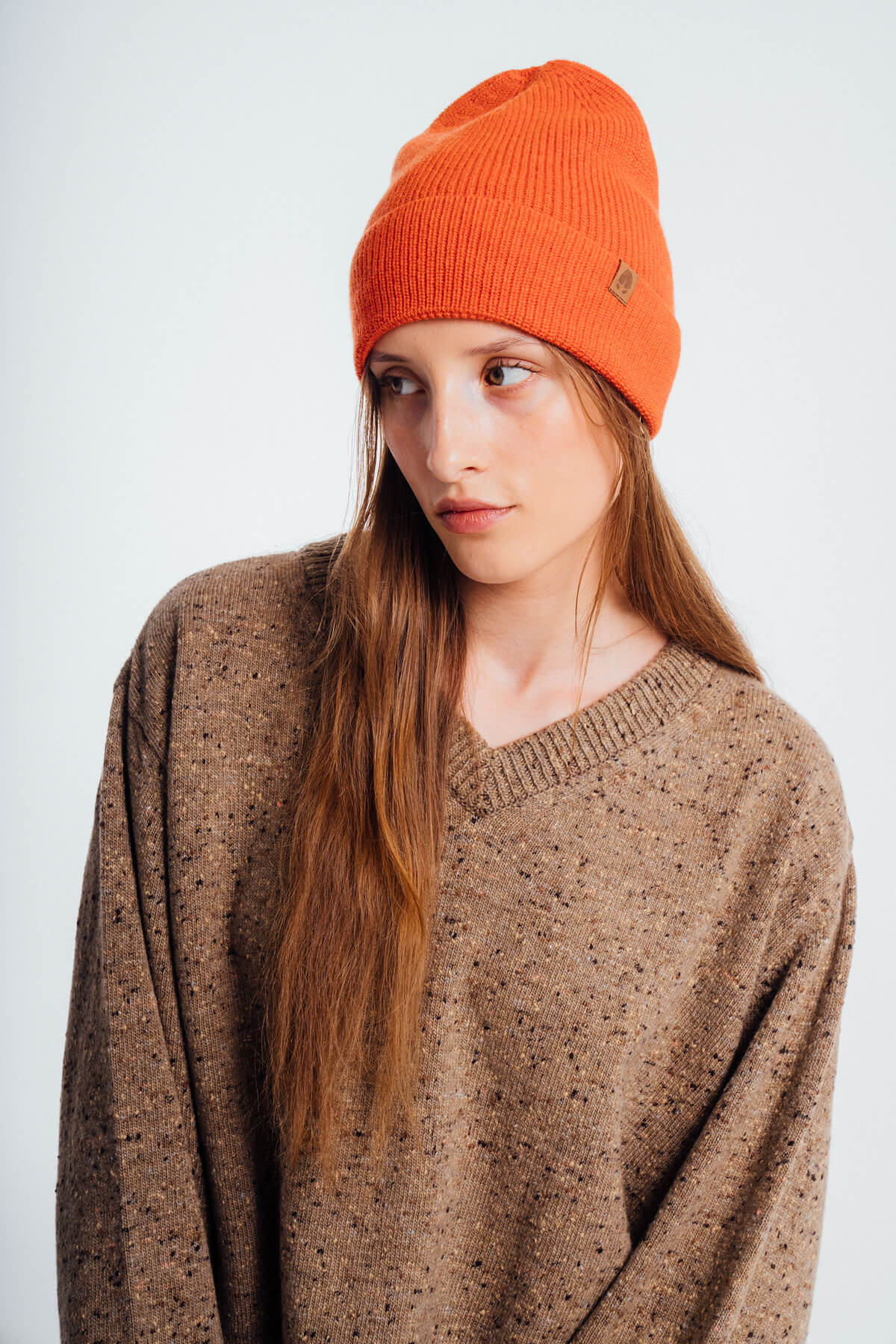
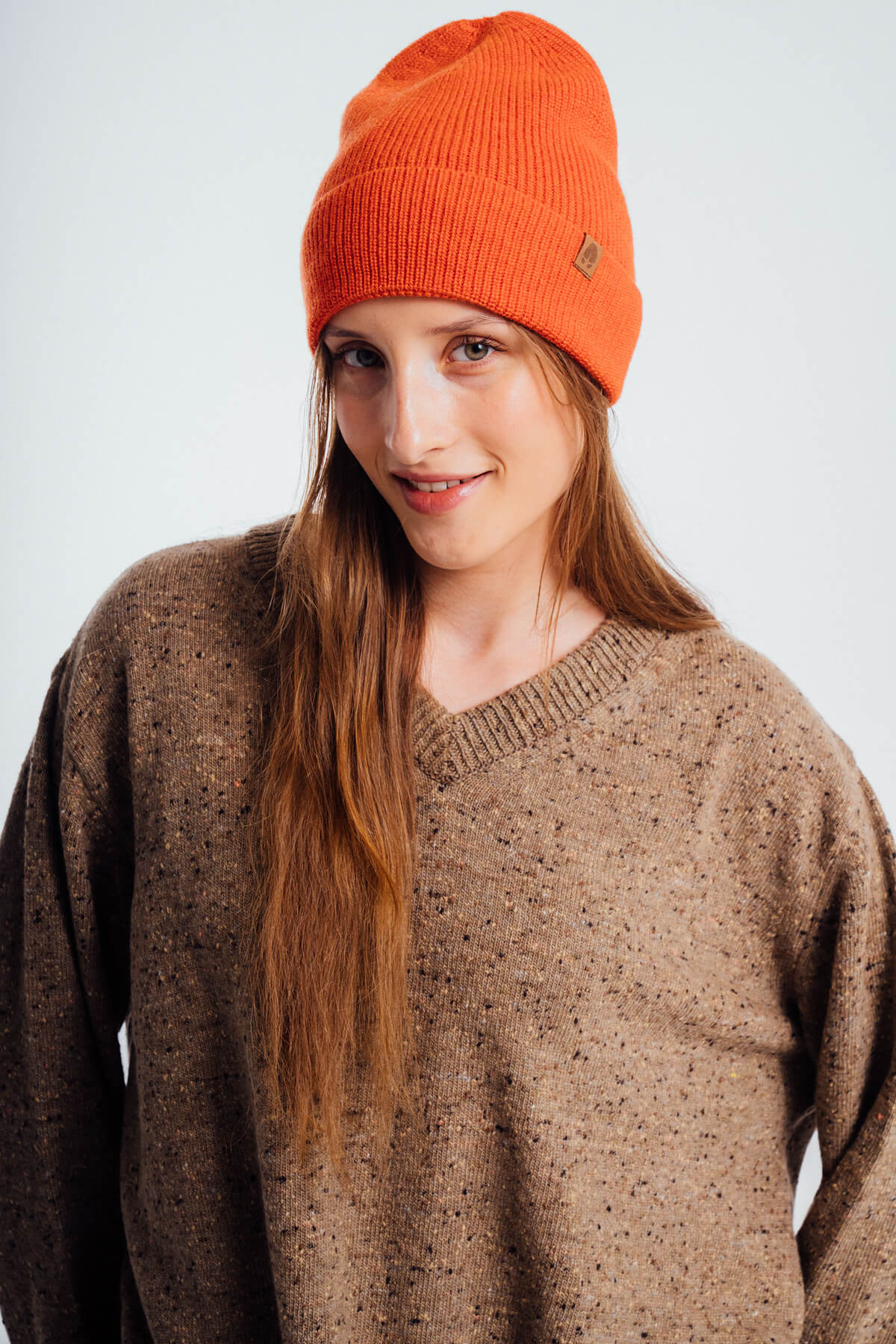
Rare animal fibres make it possible to create clothing and accessories with very different characteristics. Camel wool is used in garments for colder days, including lightweight jackets, jumpers, hats, scarves and gloves, as well as home textiles such as blankets and cushions. Alpaca, llama and various sheep's wools offer a broad selection of yarns for knitting clothing and accessories.
When choosing a product, pay attention to its fibre composition, origin and processing. These factors have the greatest influence on comfort, durability and the appearance of the finished material.