What to Pack for the Mountains in Winter? A Simple Guide to Warmth, Comfort and Layering
Above all, clothes that can be worn in layers: a good merino wool base layer, a warm insulating layer, a jacket that protects you from wind and snow, and accessories that genuinely keep you warm – especially around your neck and head. Instead of overpacking, it is better to choose a few reliable pieces made from natural materials that provide warmth, comfort and freedom of movement both on the slopes, during walks and after skiing. In this guide, we show you how to dress for winter in the mountains smartly, comfortably and without unnecessary layers.

Accessories: your neck and head make the biggest difference
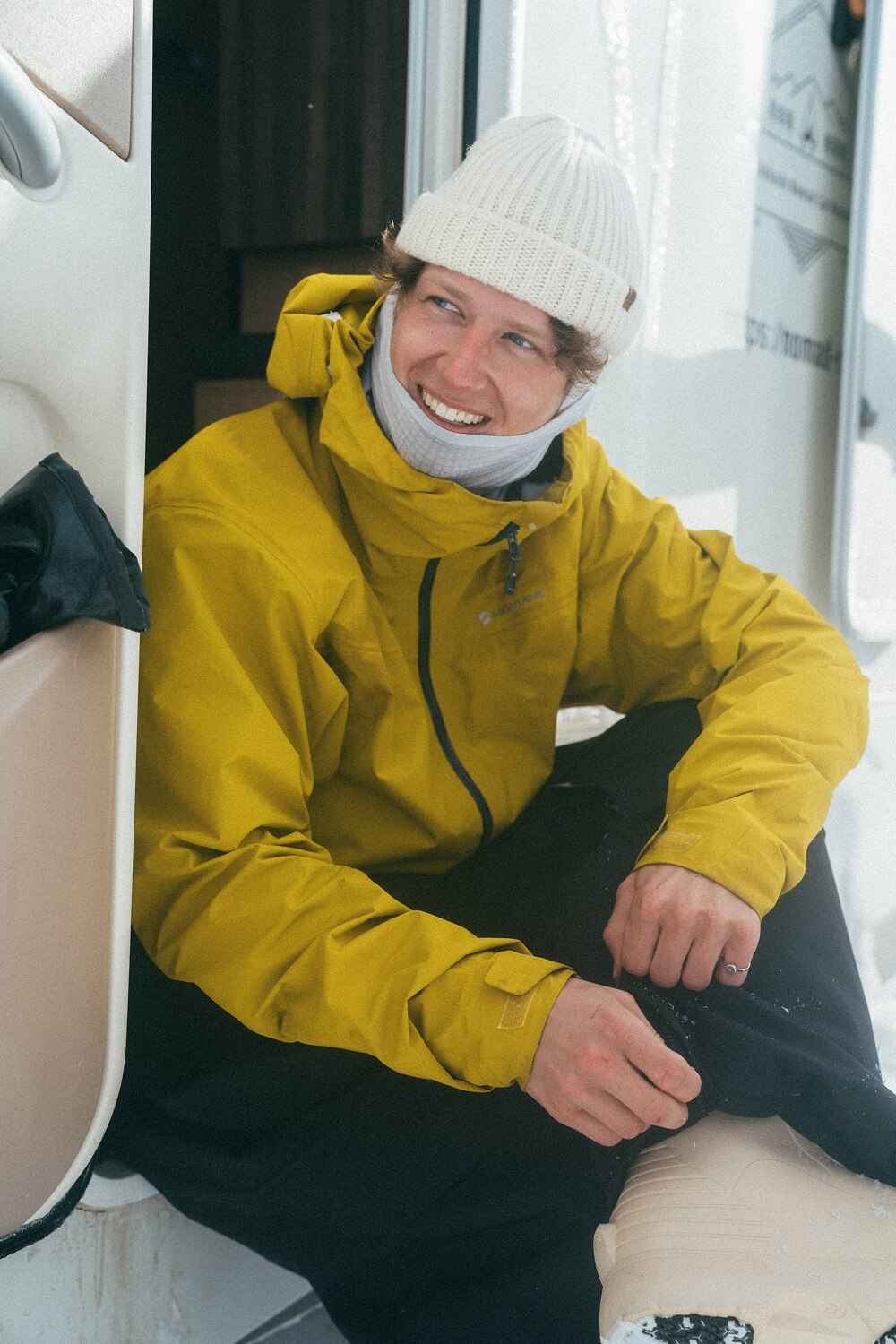
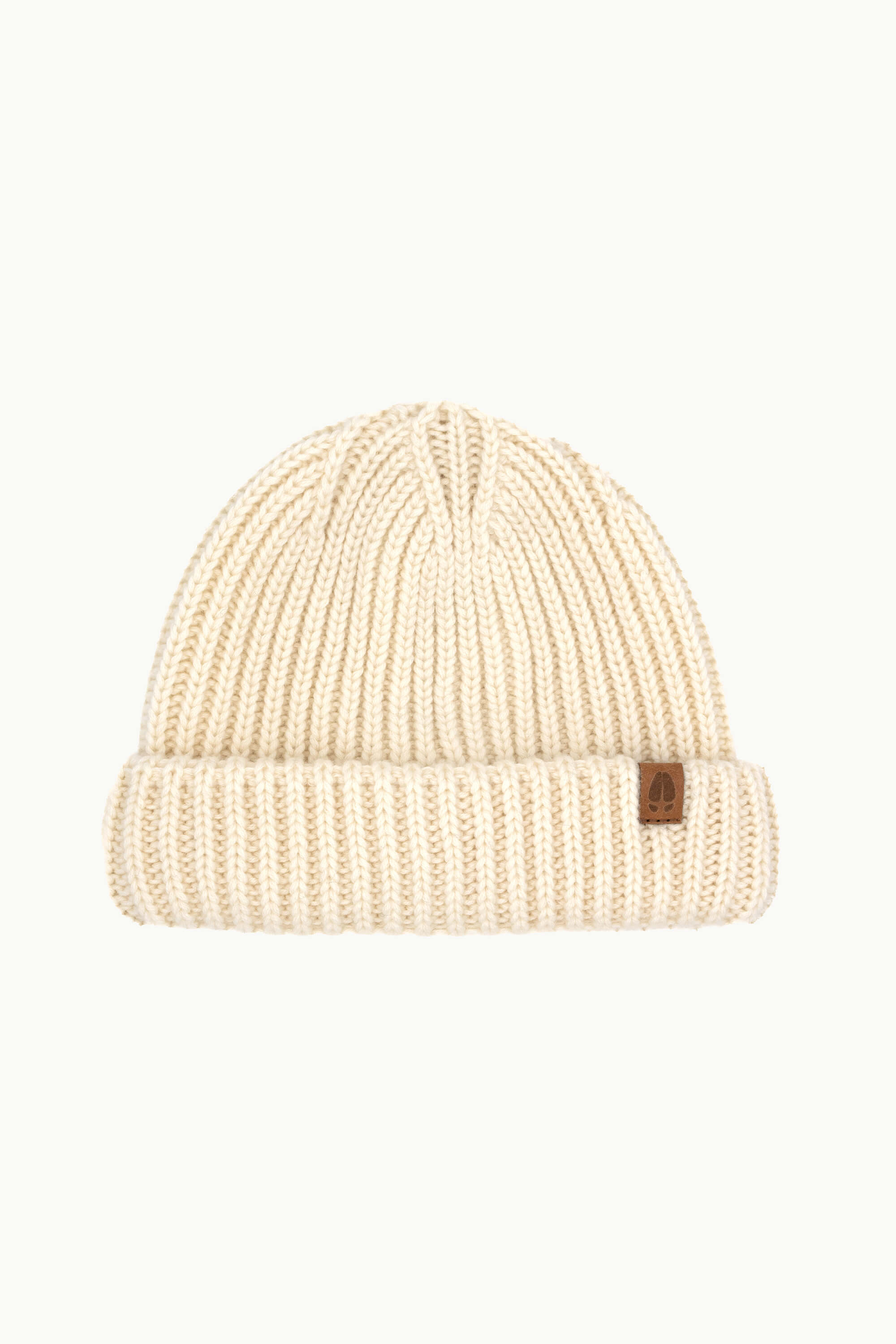
Let’s start with the pieces that are often overlooked but can make all the difference throughout the day. If your neck or head gets cold, eventually everything does.
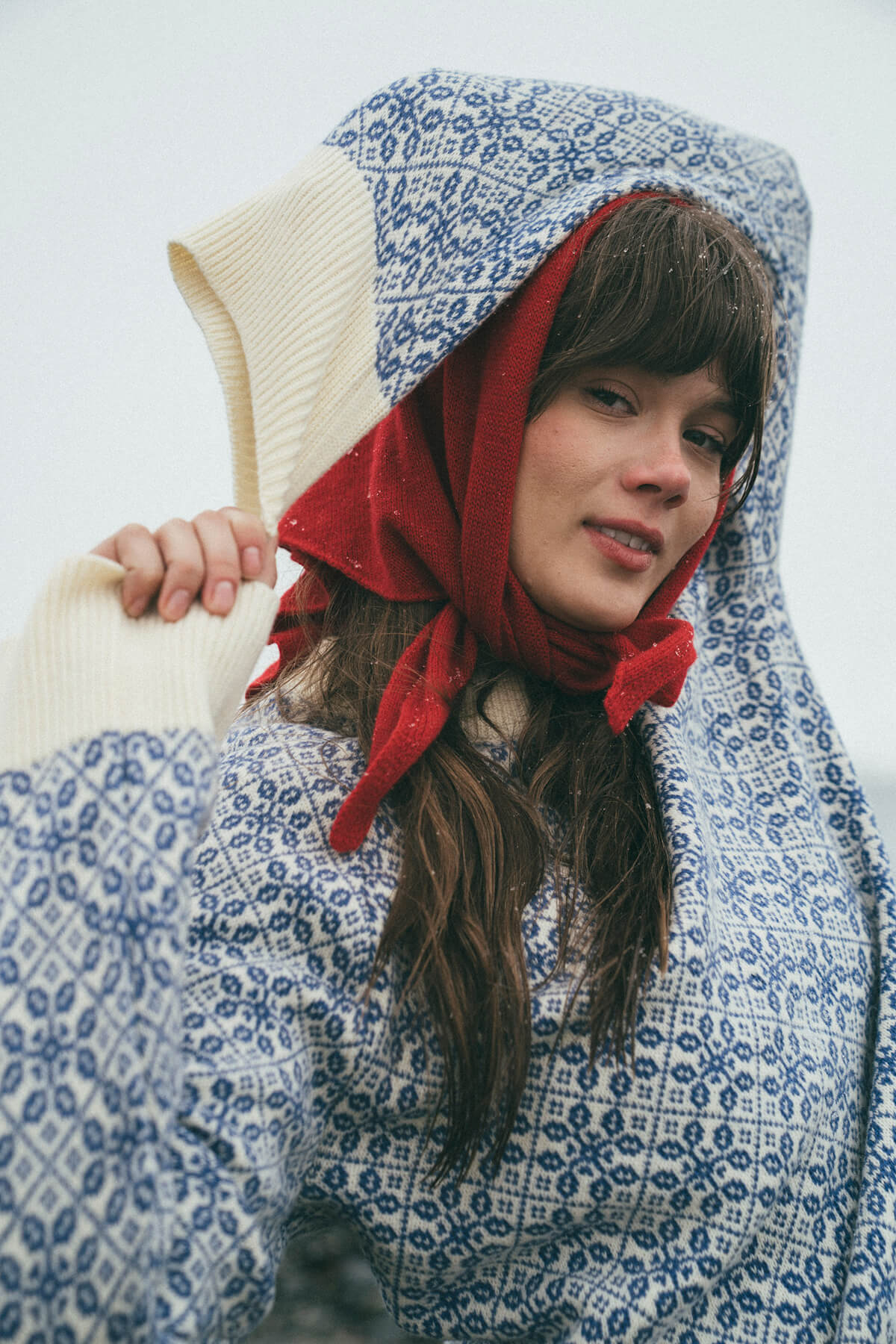
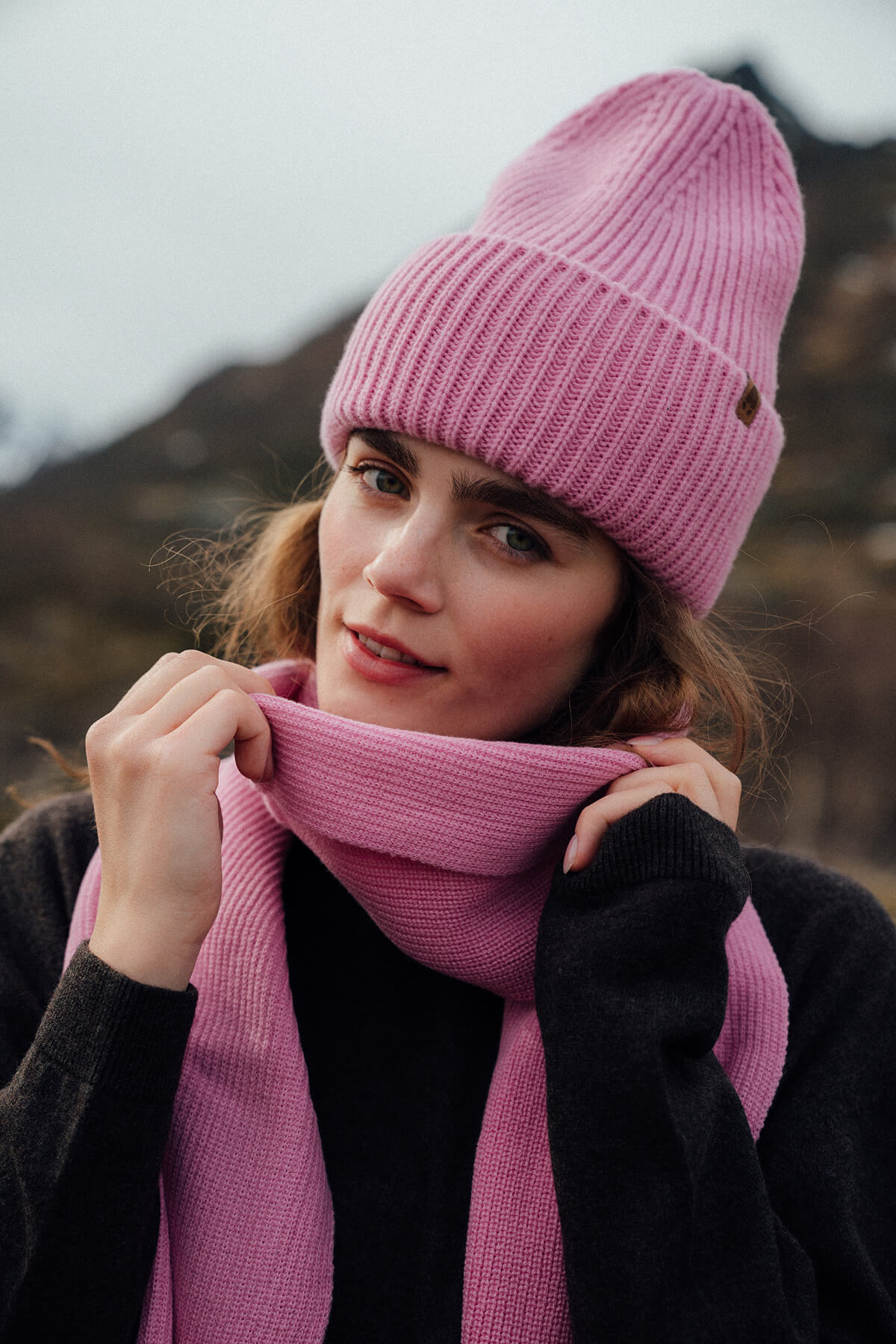
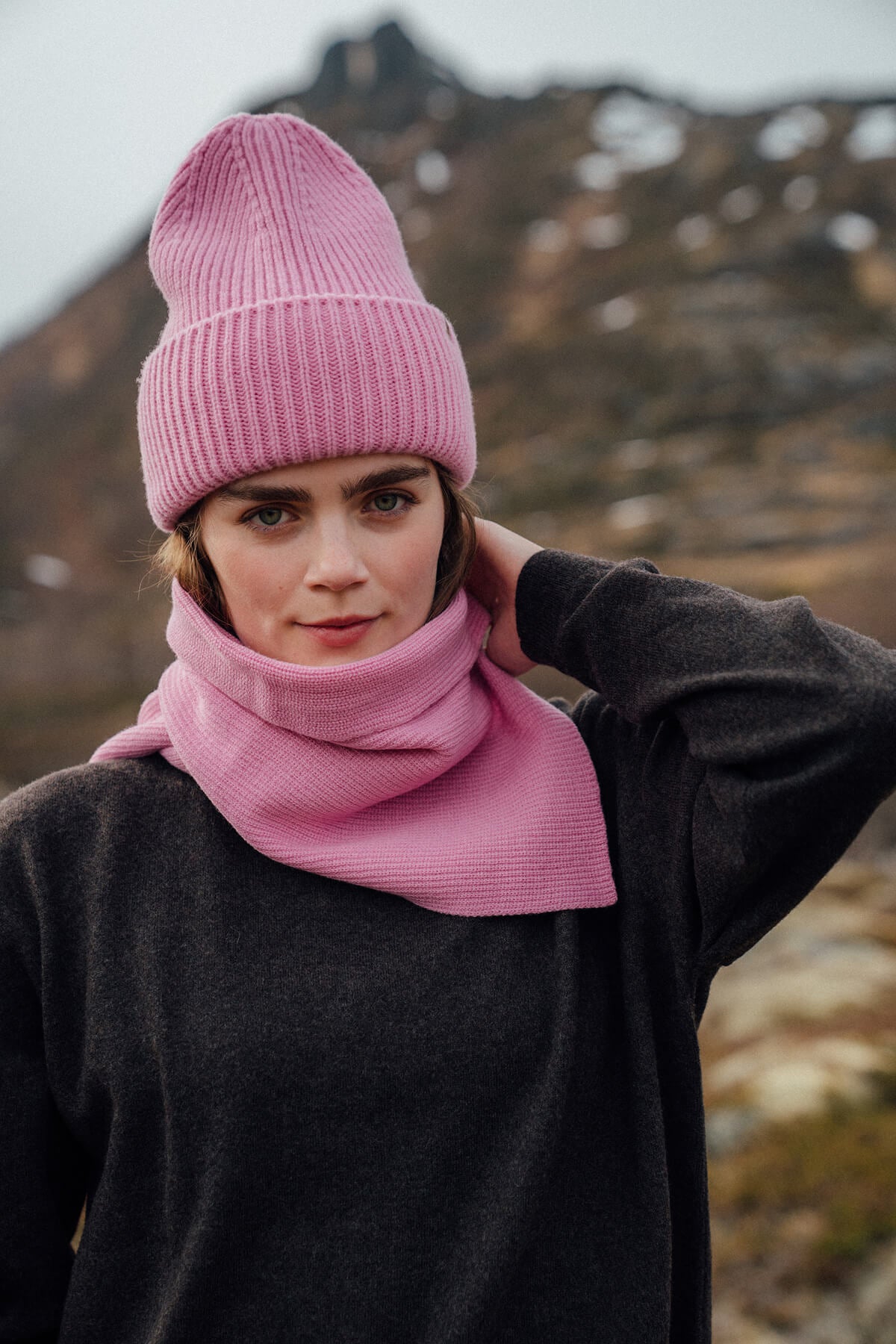
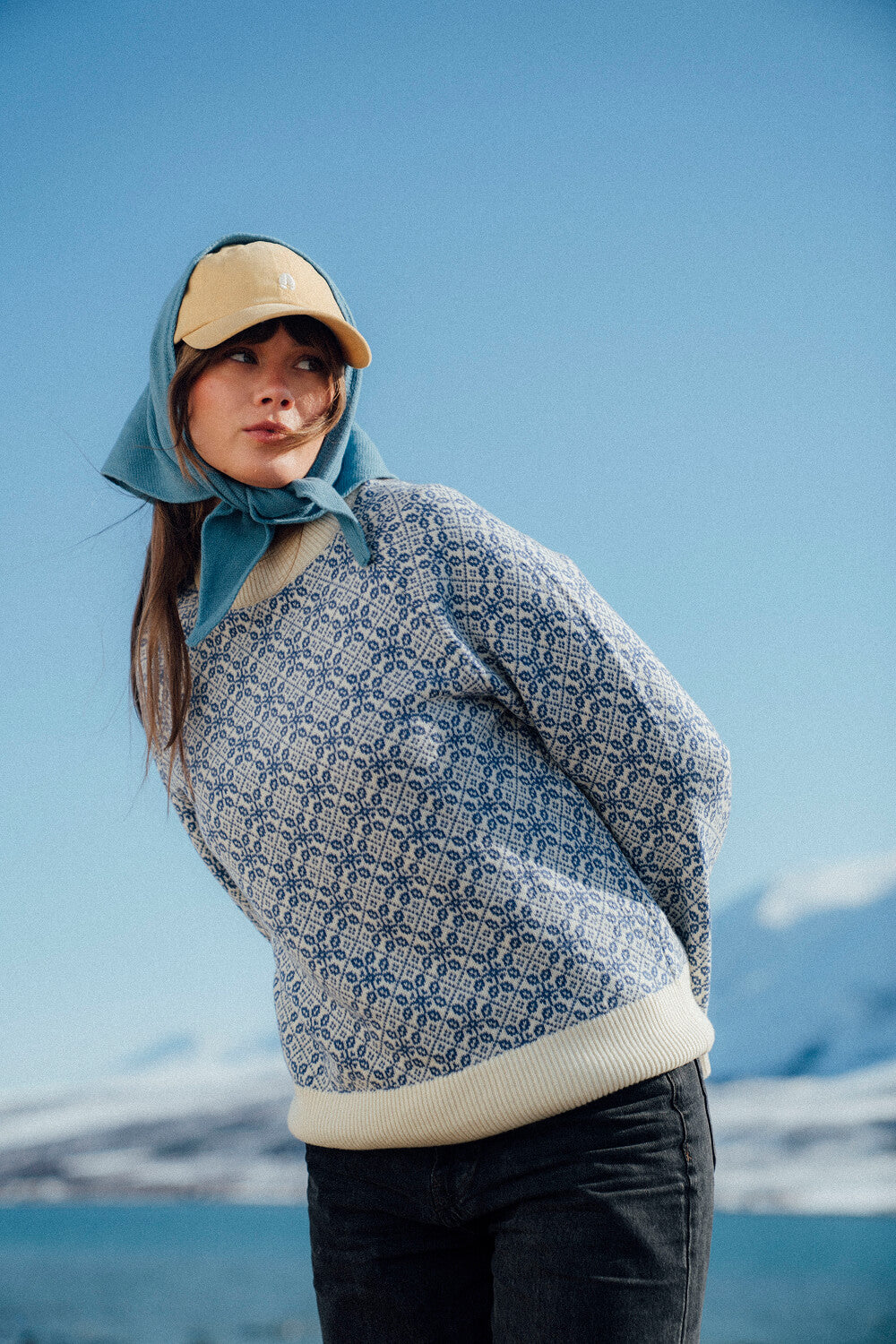
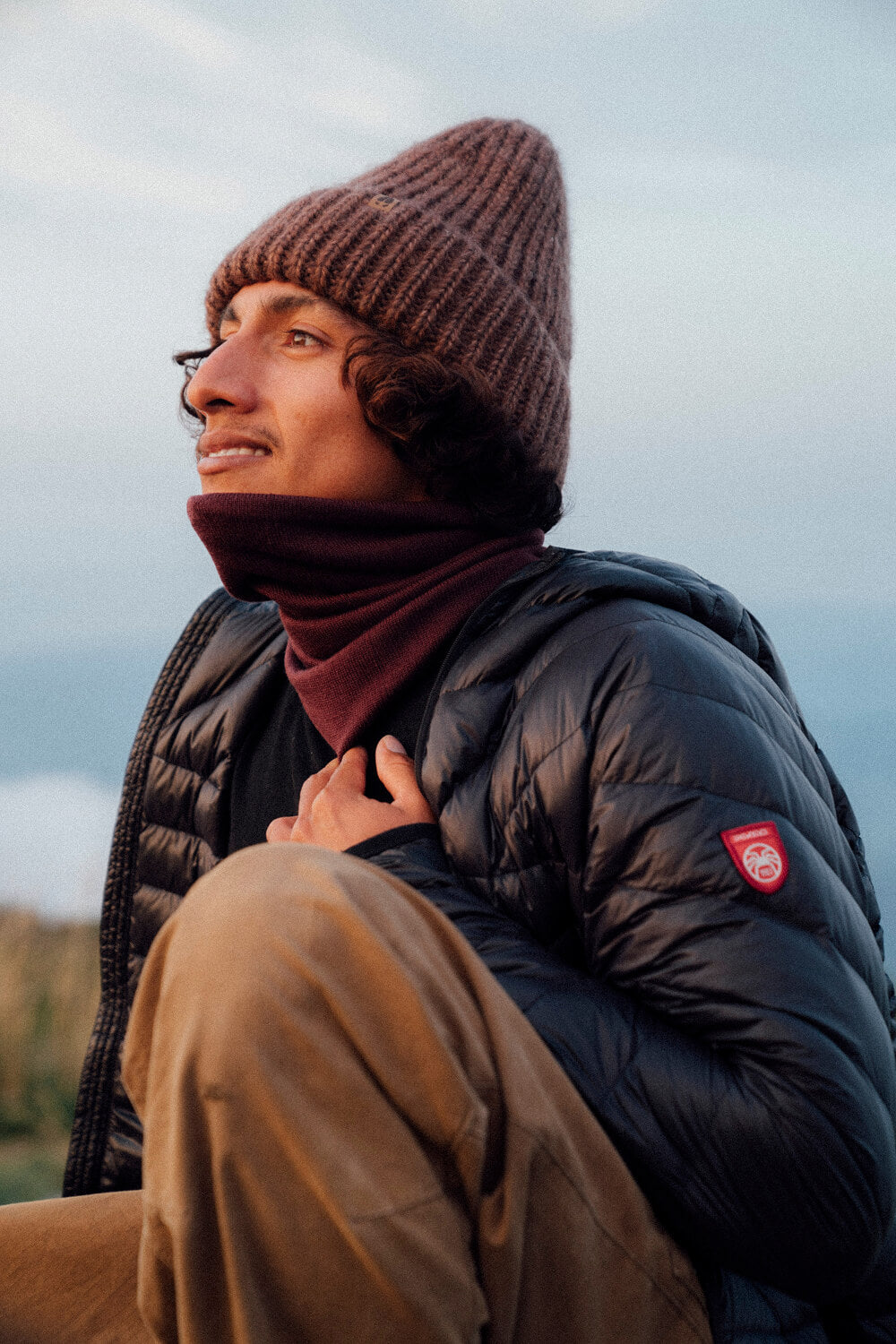
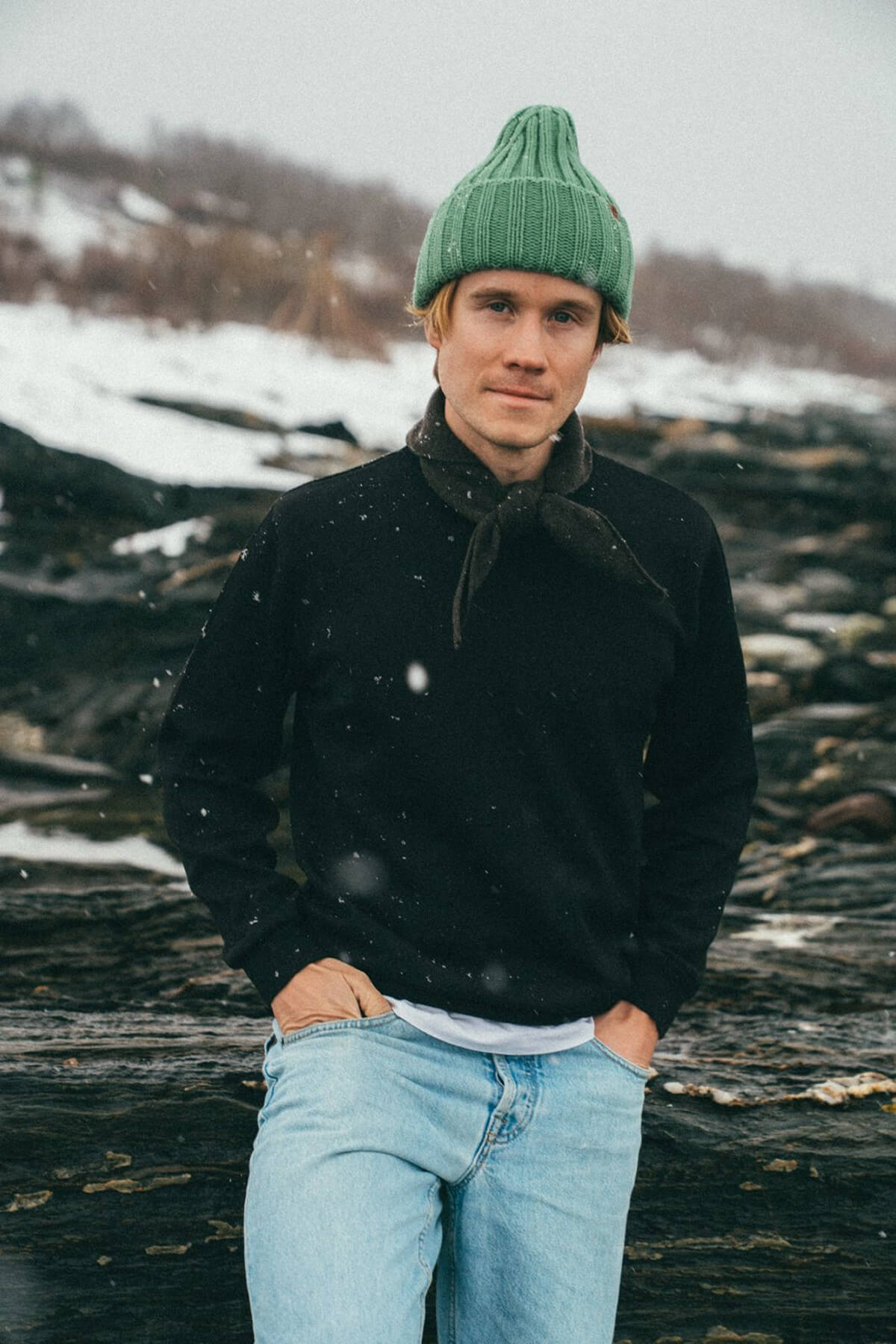
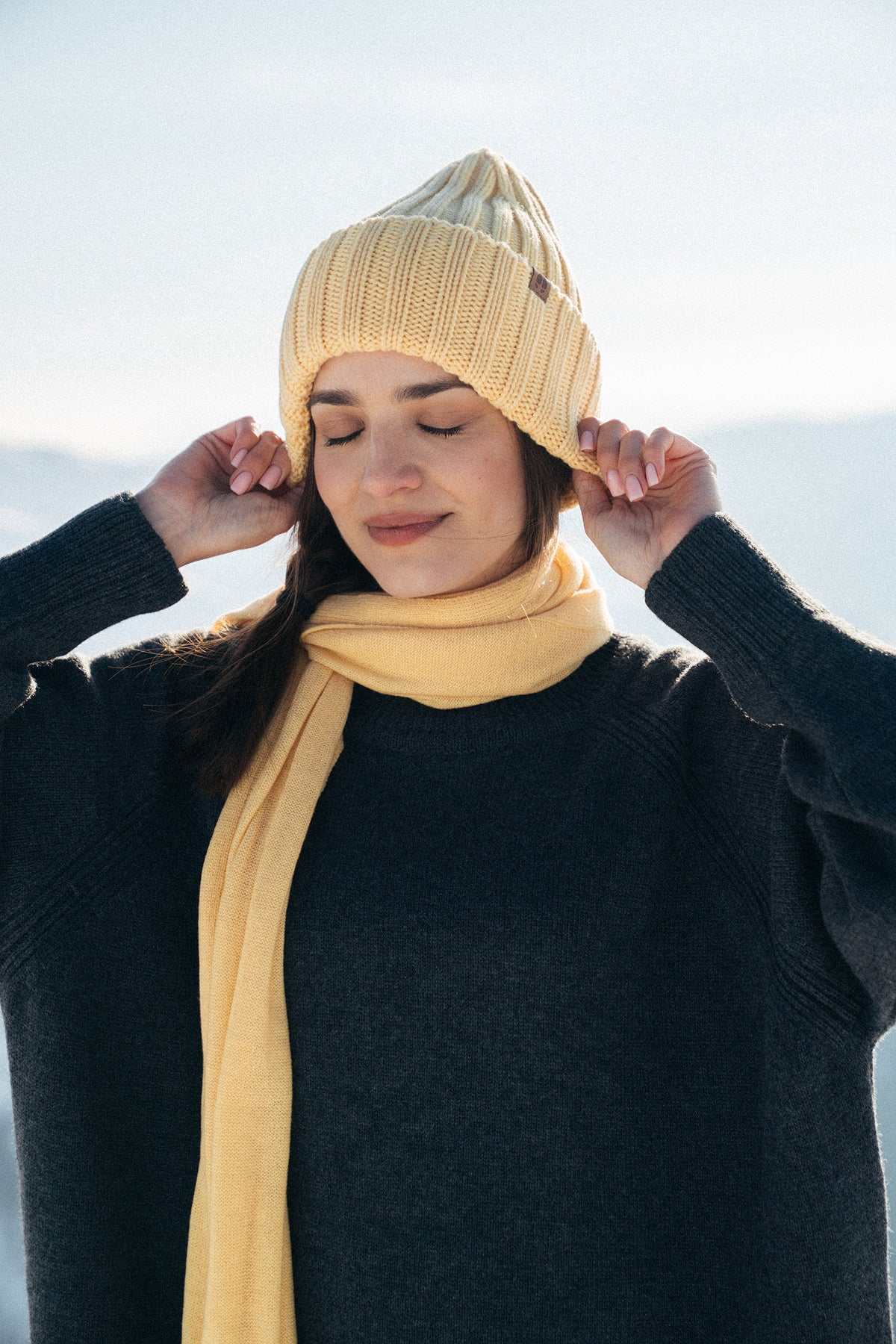
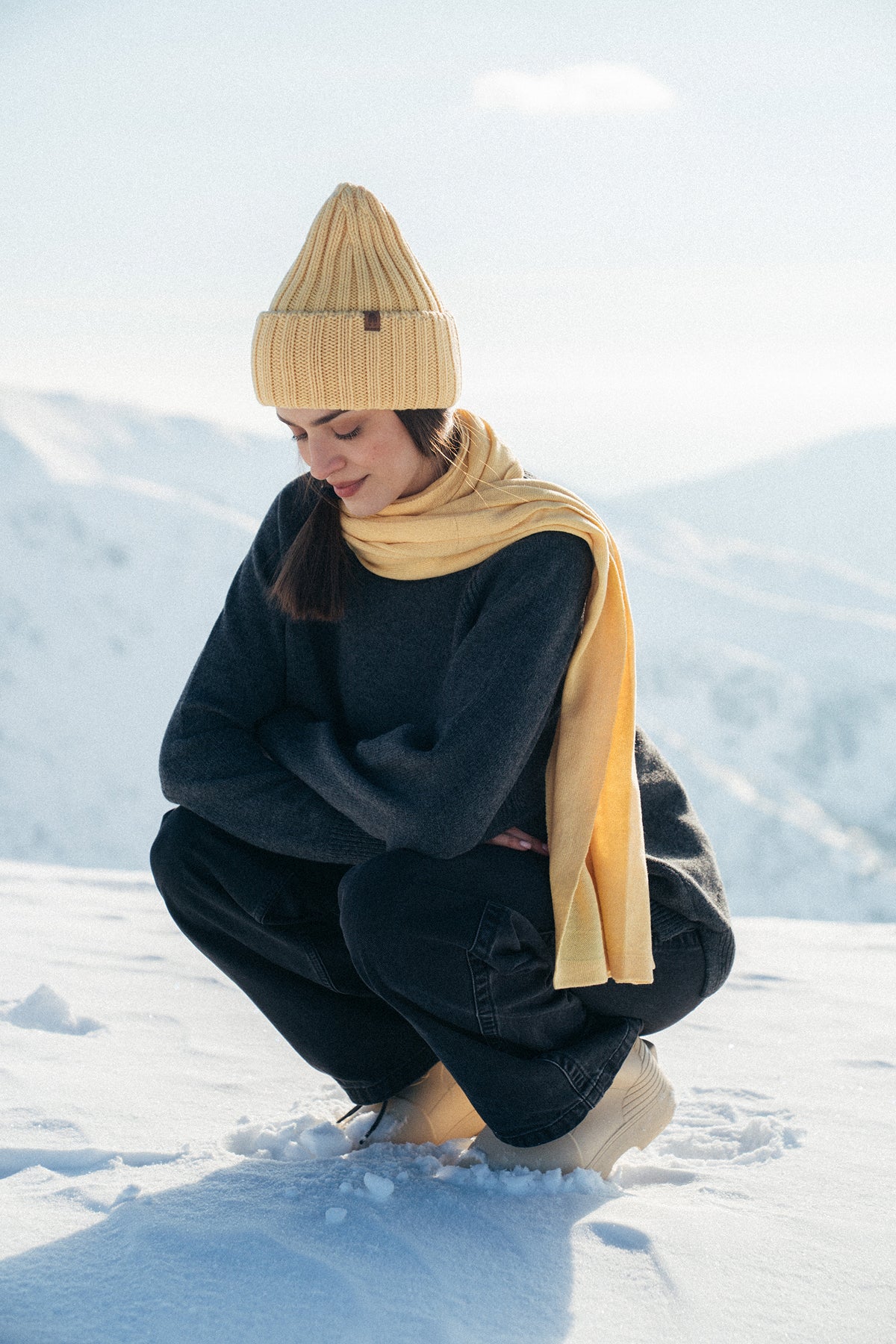
Merino wool neck warmers, scarves and triangular scarves are some of the most versatile things you can take with you to the mountains. You can:
-
wear them around your neck,
-
pull them over your face when it’s windy,
-
use them as an extra layer under a helmet or hat.
Merino wool keeps you warm, is breathable and does not create that unpleasant feeling of being cold and damp. That’s why it works well not only on the slopes, but also during walks and longer periods outdoors.
Discover our favourites for keeping your neck warm:
Layering – how to dress warmly and comfortably
In winter, layering is the best strategy. Wearing several layers allows you to regulate your body temperature and avoid both getting too cold and overheating.

First layer – the base layer
This is the most important layer because it sits directly against your skin. It should:
-
wicks moisture away,
-
keep you warm even when slightly damp,
-
allow unrestricted movement.
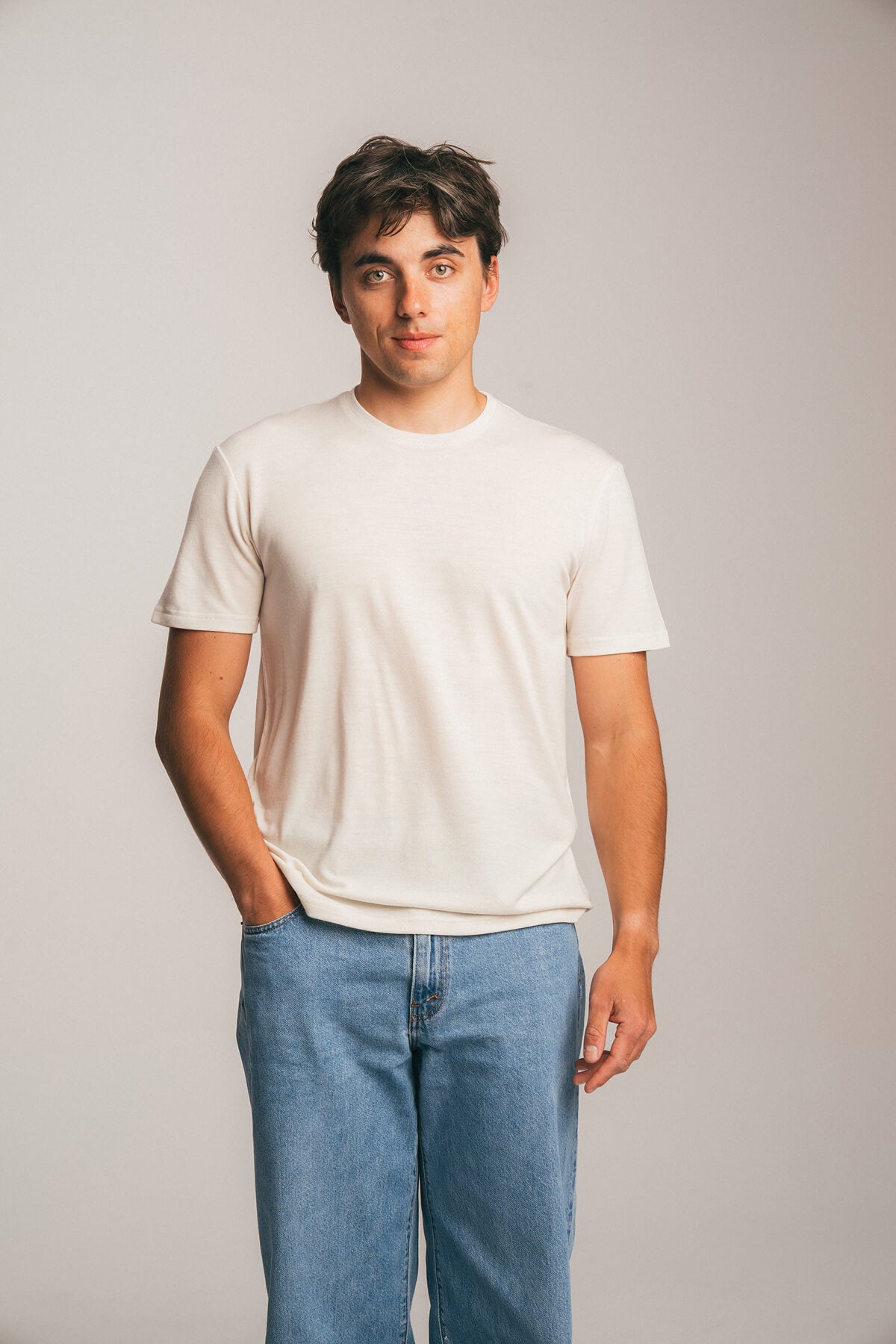
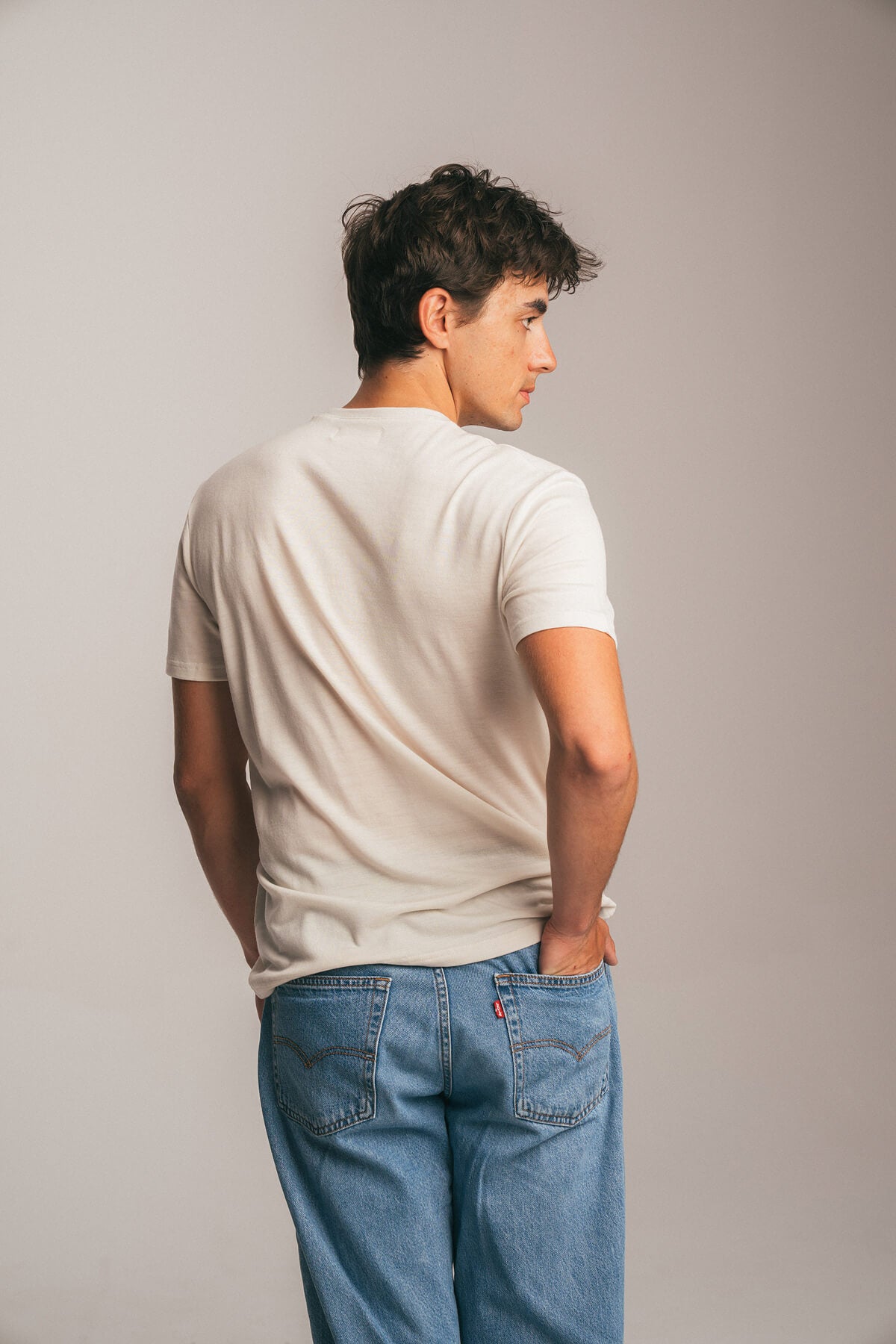
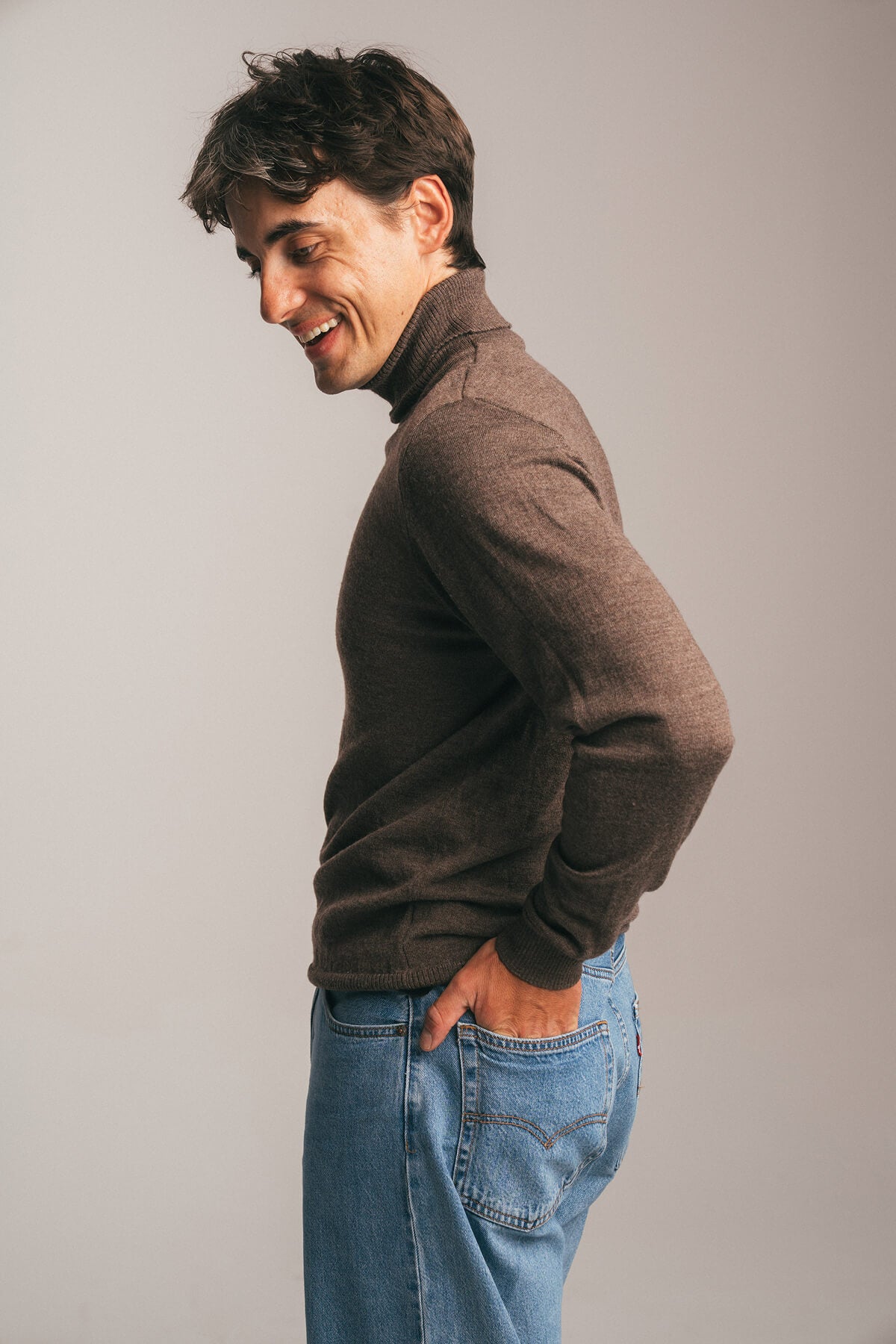
This is where merino wool works particularly well. A merino longsleeve or T-shirt is the perfect starting point for any winter outfit – whether you’re skiing, snowboarding or planning a long walk.
Discover our favourites for the first layer:

Second layer – the insulating layer
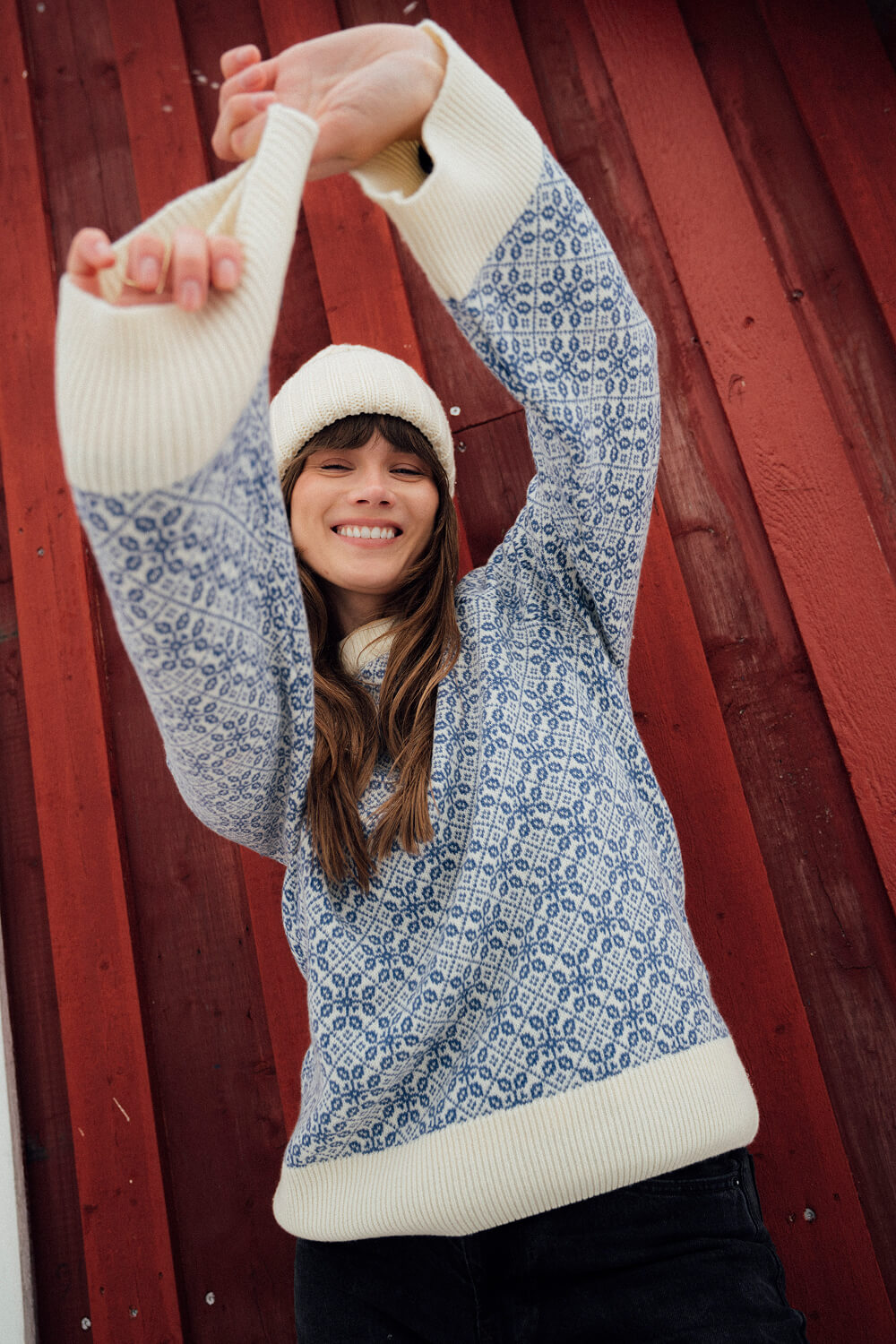
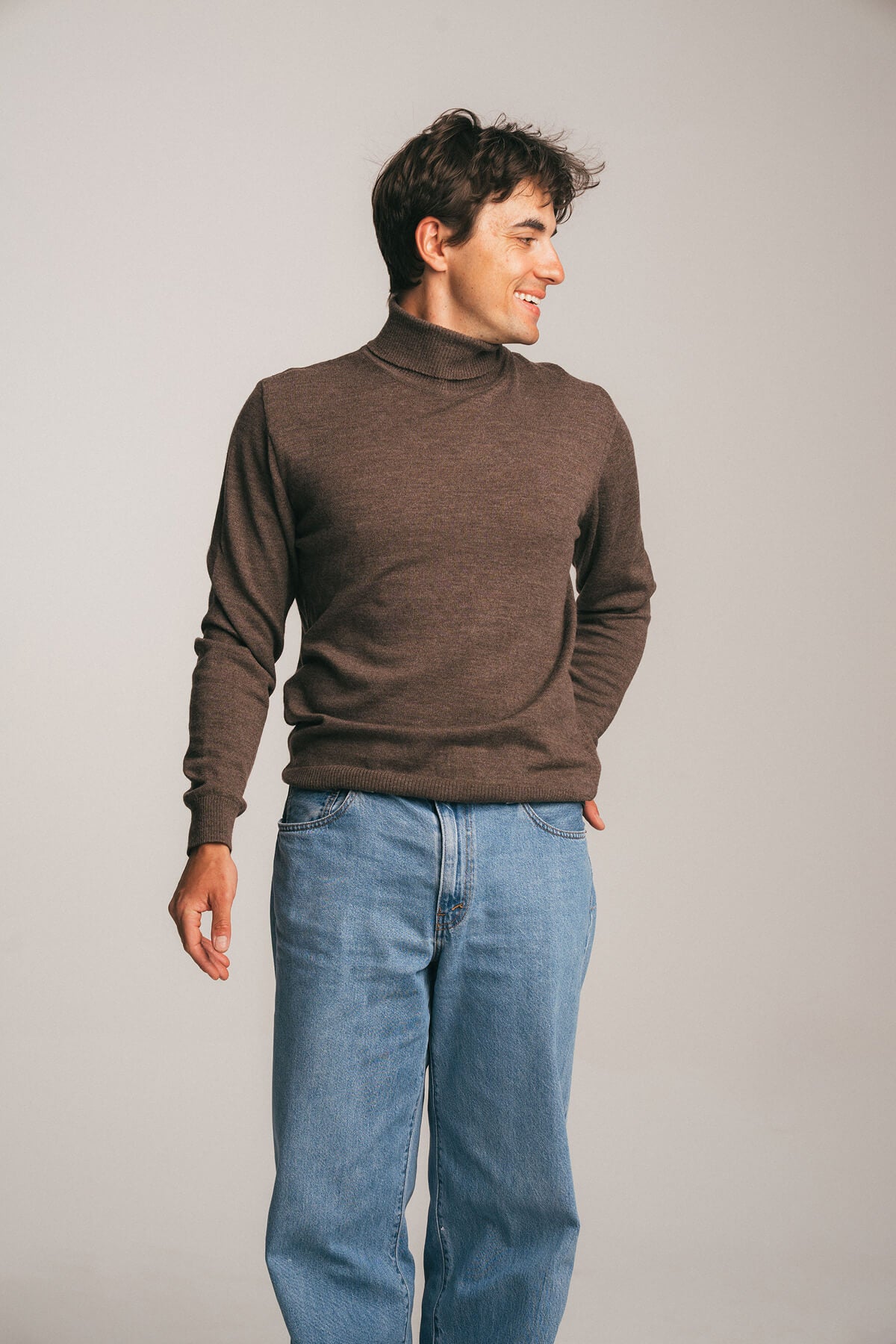
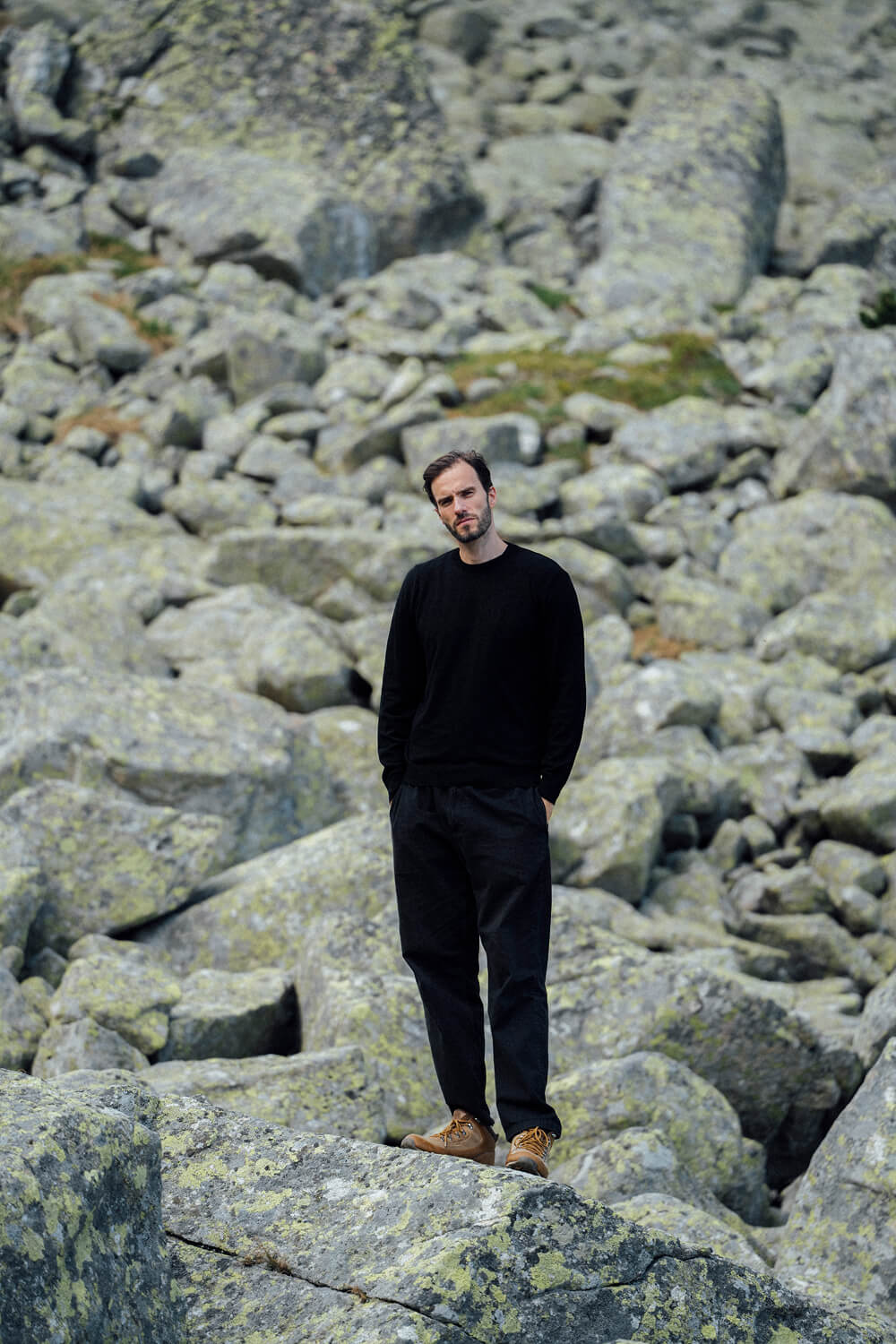
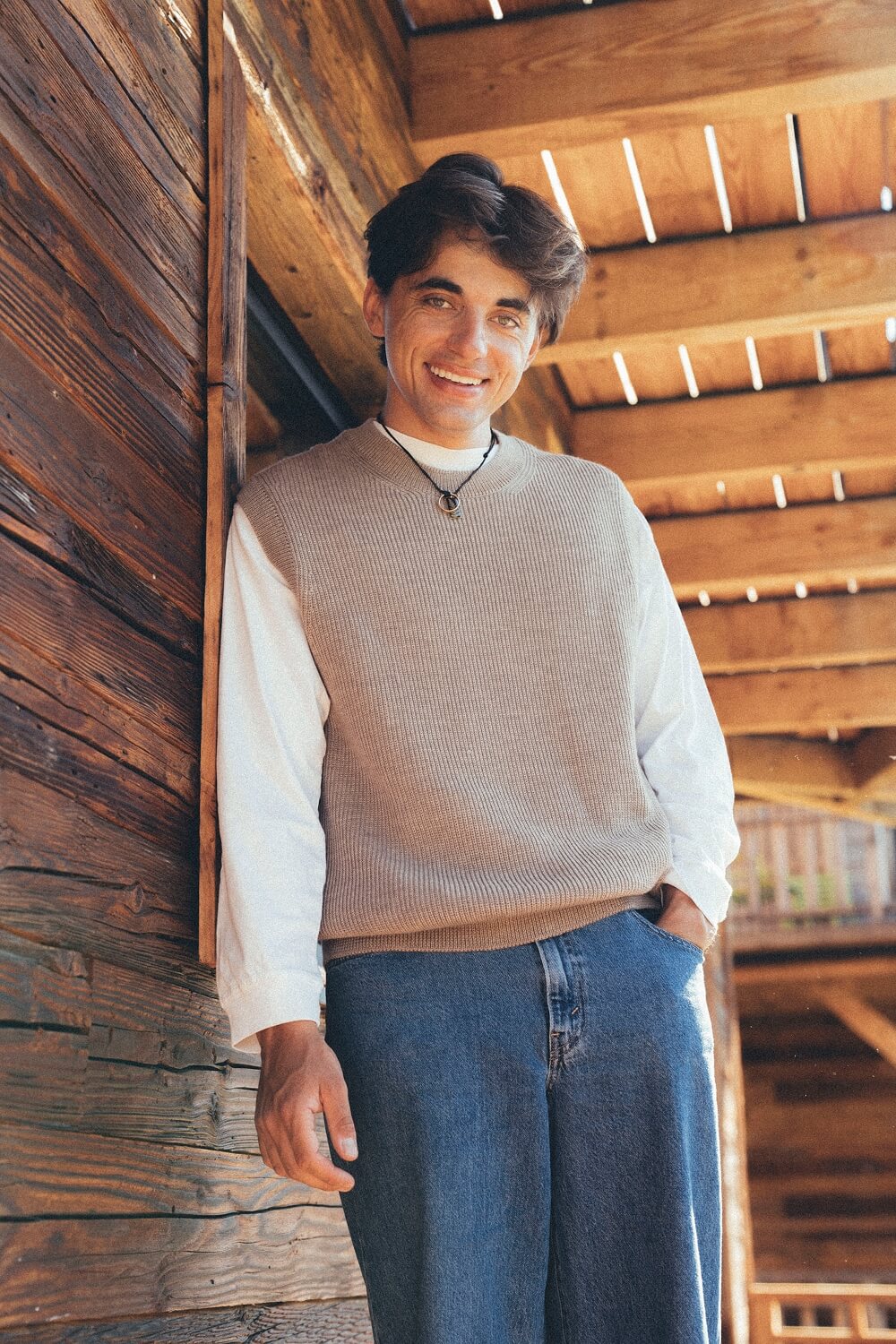
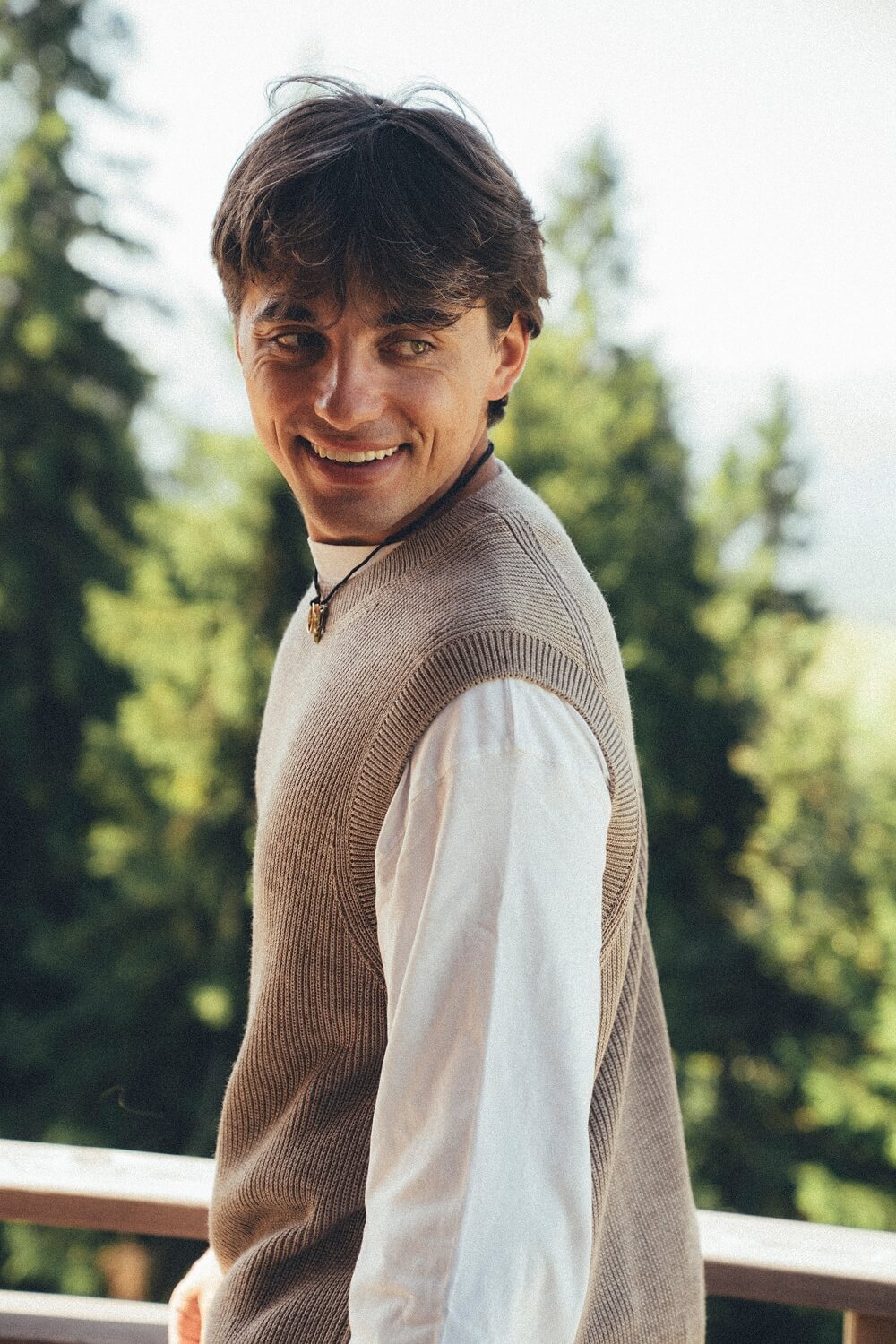
This layer has one job: to retain warmth. Sweaters made from natural materials work perfectly as:
-
part of a technical outfit for the slopes,
-
a standalone layer once you take off your jacket,
-
an outfit for an evening out or a walk through a mountain town.
A well-chosen sweater works both when you’re on the move and when you slow down.
Discover our favourites for the second layer:
Third layer – the protective layer
This is the classic outer layer: a ski or winter jacket that protects you from:
-
wind,
-
snow,
-
moisture.
How well it works depends largely on what you wear underneath. That’s why the first two layers are so important.

After skiing? Time for après-ski
After a full day on the slopes, there comes a moment when you take off your jacket, get comfortable and simply relax. And even then, what you wear still matters.
A warm sweater, comfortable trousers and thick wool socks help you:
-
recover faster,
-
stay warm after physical activity,
-
truly relax.
This is exactly when hot chocolate or tea by the fireplace tastes even better.
Discover our favourites for après-ski:
Winter can become your favourite season
The right clothes can turn winter from a challenge into something to enjoy. Whether you’re heading to the high mountains or simply spending your holiday somewhere colder – natural materials, layering and comfort make all the difference.
And finally, the most important thing:
always wear a helmet ❄️