Article: Merino wool – what is it and why is it so popular?

Merino wool – what is it and why is it so popular?
If you already know KOPYTO, you probably know that merino wool is our favourite natural fibre. There are many reasons for that, but the main one is simple: we genuinely consider it one of the most functional materials to wear. It is lightweight, soft, durable, regulates temperature very well and does not need to be washed after every wear. It performs well in different climates around the world and works both for everyday outfits and various activities.
What we value most about merino wool is this versatility. You can wear it in winter, but a sufficiently lightweight layer can also work well in summer. It handles moisture effectively, helps reduce unpleasant odours and can feel very comfortable against the skin when the fibres are fine enough.
That does not mean, of course, that merino wool is the perfect material for every situation. It has its requirements, not every merino yarn is equally soft, and it usually needs careful handling and care. Many types, for example, cannot simply be thrown into a washing machine. High-quality merino products also cost considerably more than garments made from synthetic fibres, so they will not always be the first choice when the lowest possible price is the main priority.
So where does the popularity of merino come from, and what actually makes this fibre worth choosing? Below we explain the key properties of merino wool, why merino clothing is so widely used and what it can offer adults, children and people who use it for sport and outdoor activities.
Contents
- What is merino wool? The origin of merino sheep
- The most important properties of merino wool
- Uses of merino wool
- Is merino wool suitable for summer and winter?
- Is merino wool worth buying?
What is merino wool? The origin of merino sheep
Merino wool comes from merino sheep, a breed known primarily for its very fine and soft fleece. The earliest history of merino sheep is associated with Asia and the Iberian Peninsula and can be traced back to around the 12th century. Large-scale merino farming later developed in the Southern Alps, where the fibre was used mainly for practical clothing.
Today, merino wool reaches the market from many regions of the world, and merino sheep are raised in countries such as Australia, New Zealand, Argentina and the United States. This reflects the adaptability of the breed to very different conditions. In Poland, merino sheep are still relatively uncommon and are found mainly on a small scale.
One of the most important differences between merino and many other types of wool is fibre diameter. This is one of the main factors behind the characteristic softness of merino. In general, the finer the fibre, the lower the likelihood that it will irritate the skin.
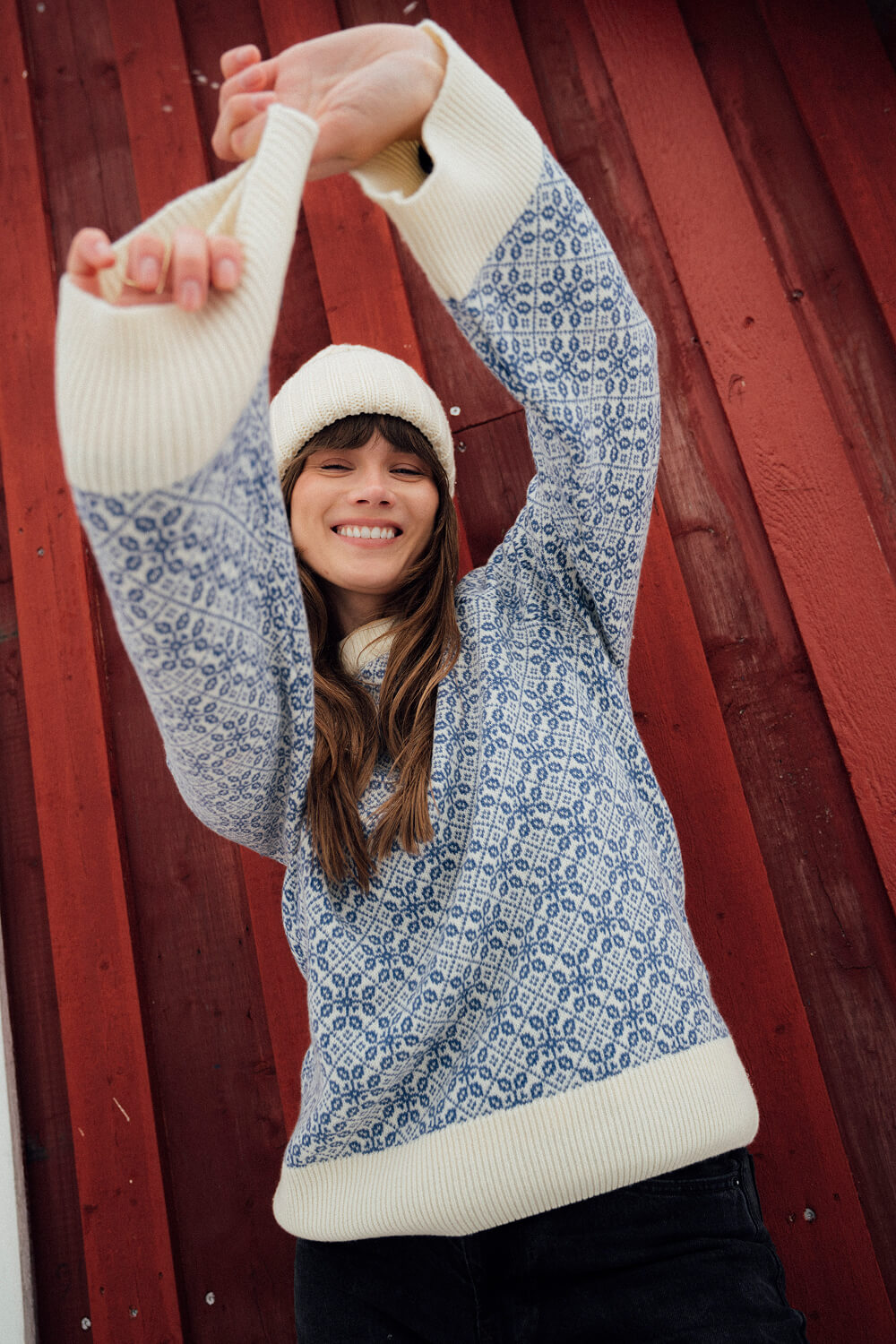
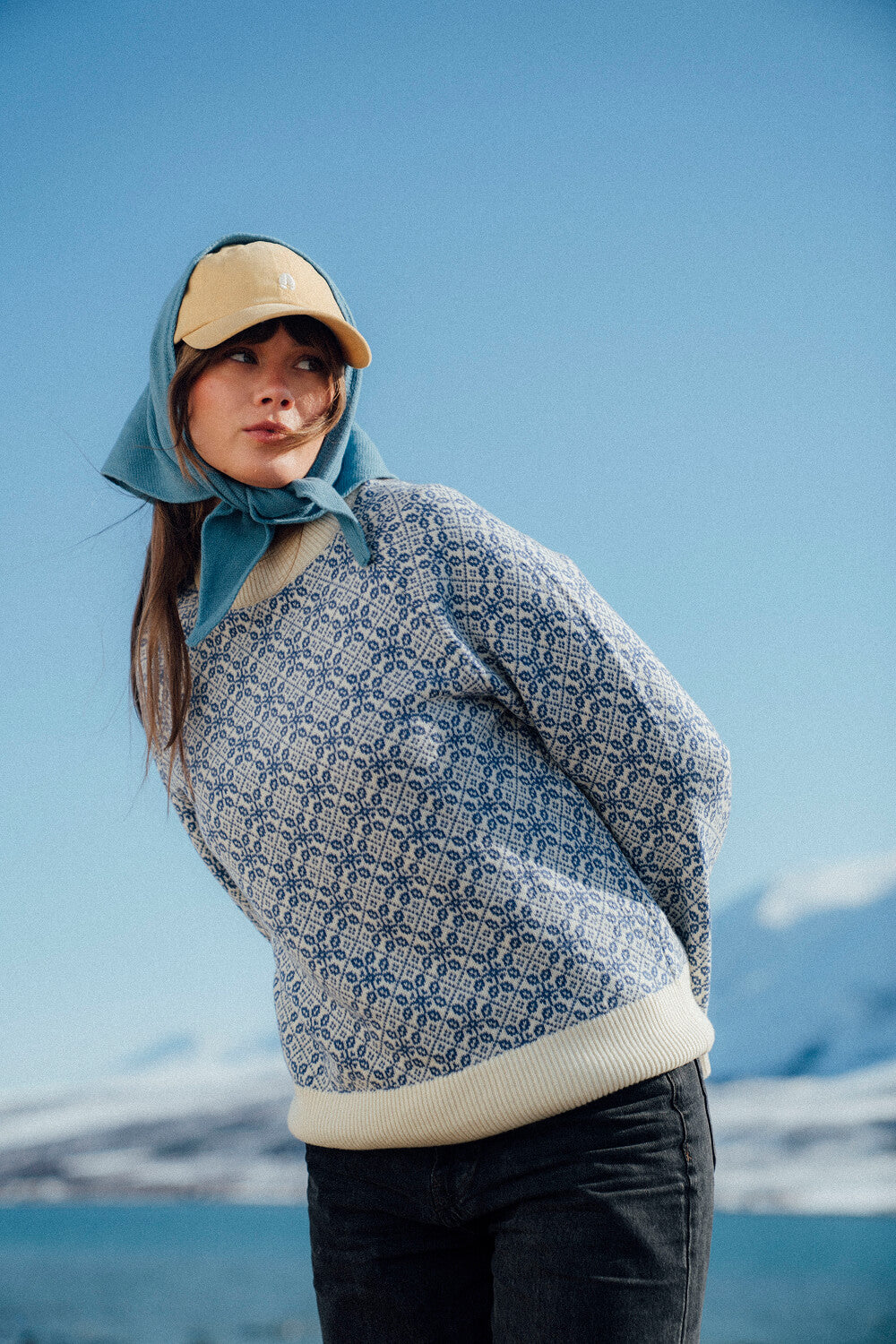
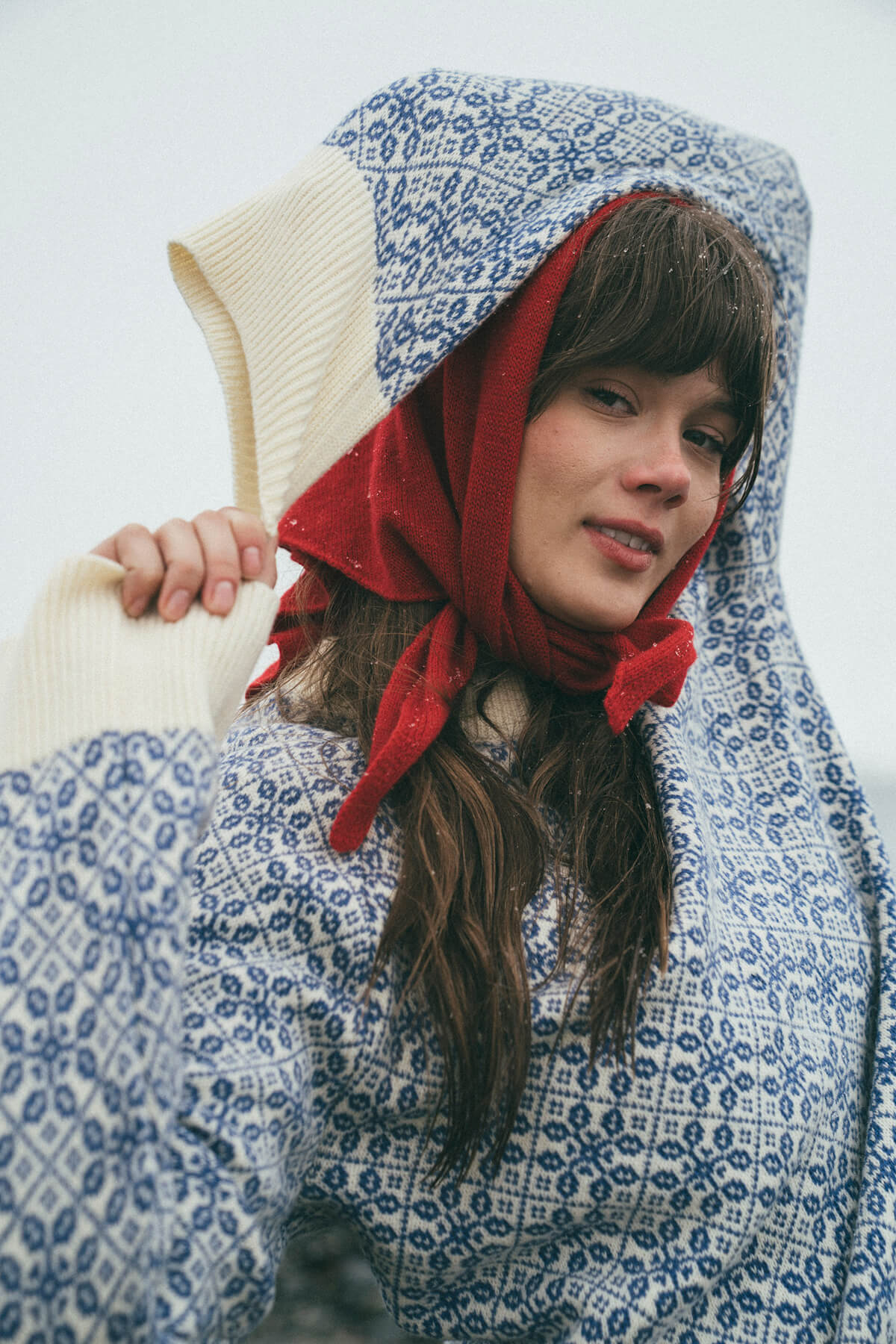
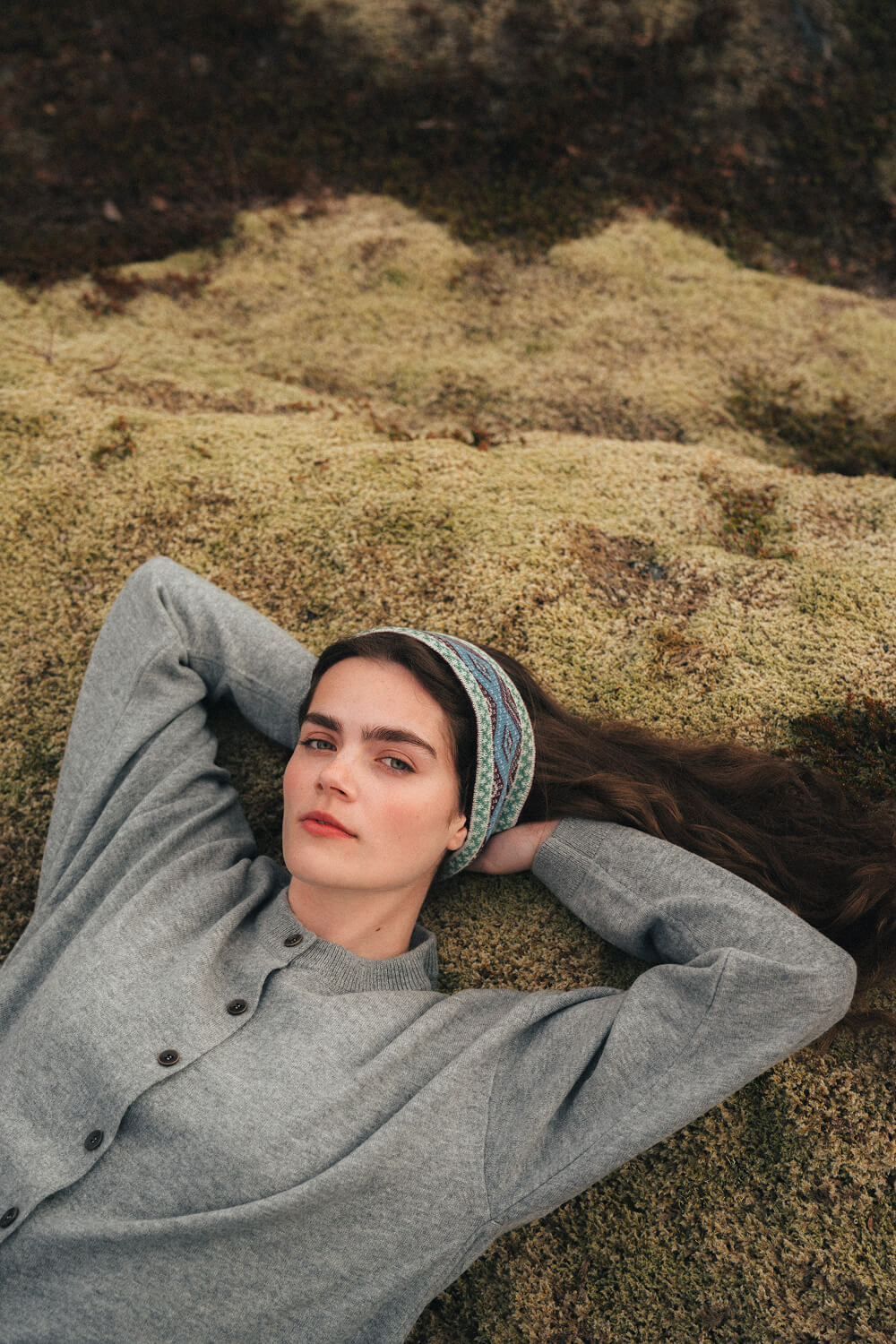
Merino fibres can vary significantly in diameter, so the word “merino” alone is not enough to assess the quality of a particular product. It is worth checking the value given in microns, because it is closely related to how the material is likely to feel against the skin. Some KOPYTO products, for example, are made from fibres with a diameter of 19.5 µm, while this sweater uses fibres as fine as 16 µm. This level of fineness helps create a soft fabric that can also be suitable for garments worn directly against the skin.

This is exactly why there is no single answer to the question “Does merino wool itch?”. To assess that properly, you need more information. Fine, high-quality fibres can feel very soft, while coarser wool may feel completely different. Parents may also appreciate that our children's products are tested very carefully and judged honestly by children we know to have sensitive skin.
You can read more about the relationship between fibre structure, softness and performance on our page about the properties of merino wool.
The most important properties of merino wool
What we like most about merino wool is the combination of several properties that are difficult to find together in one material. It is lightweight, resilient, handles moisture well, helps regulate temperature and limits the retention of odours. This combination is exactly what makes merino suitable for so many different uses.
Warmth without bulk
Wool has a natural structure that helps trap air. As a result, it provides insulation from the cold without necessarily needing to be thick or heavy.
This is especially useful when dressing in layers. A fine merino wool knit can work as a first layer next to the skin, while a thicker sweater or coat can provide an insulating outer layer.
This is one of the reasons merino works so well in winter. It is widely used in ski clothing, trekking garments and other products designed for activity in colder conditions.
Temperature and moisture regulation
One of the most important properties of wool is its high hygroscopicity. Wool fibres can absorb water vapour for a considerable time before the material begins to feel wet. This means merino wool can help manage moisture produced during physical activity and is well suited to sports and outdoor use.
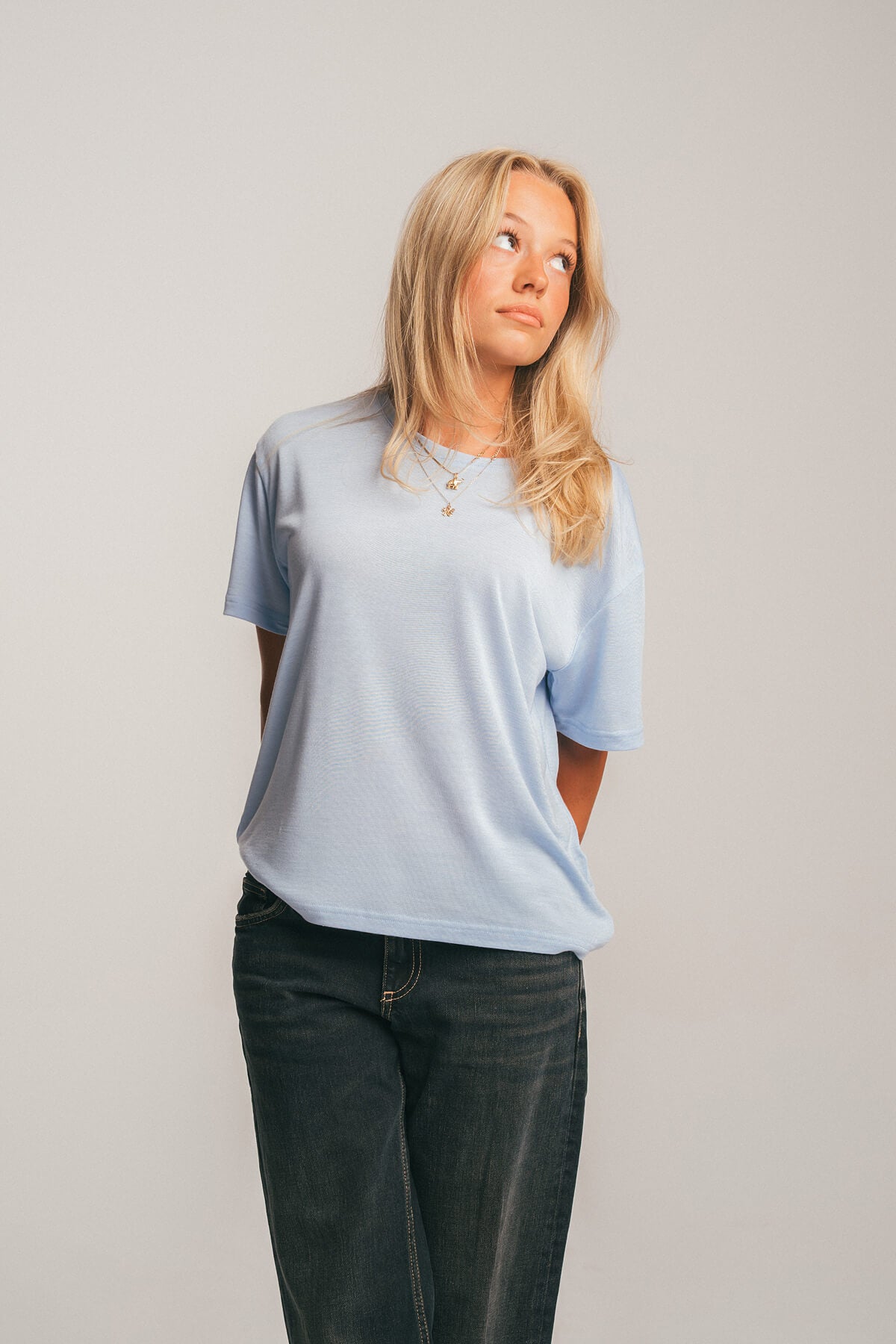
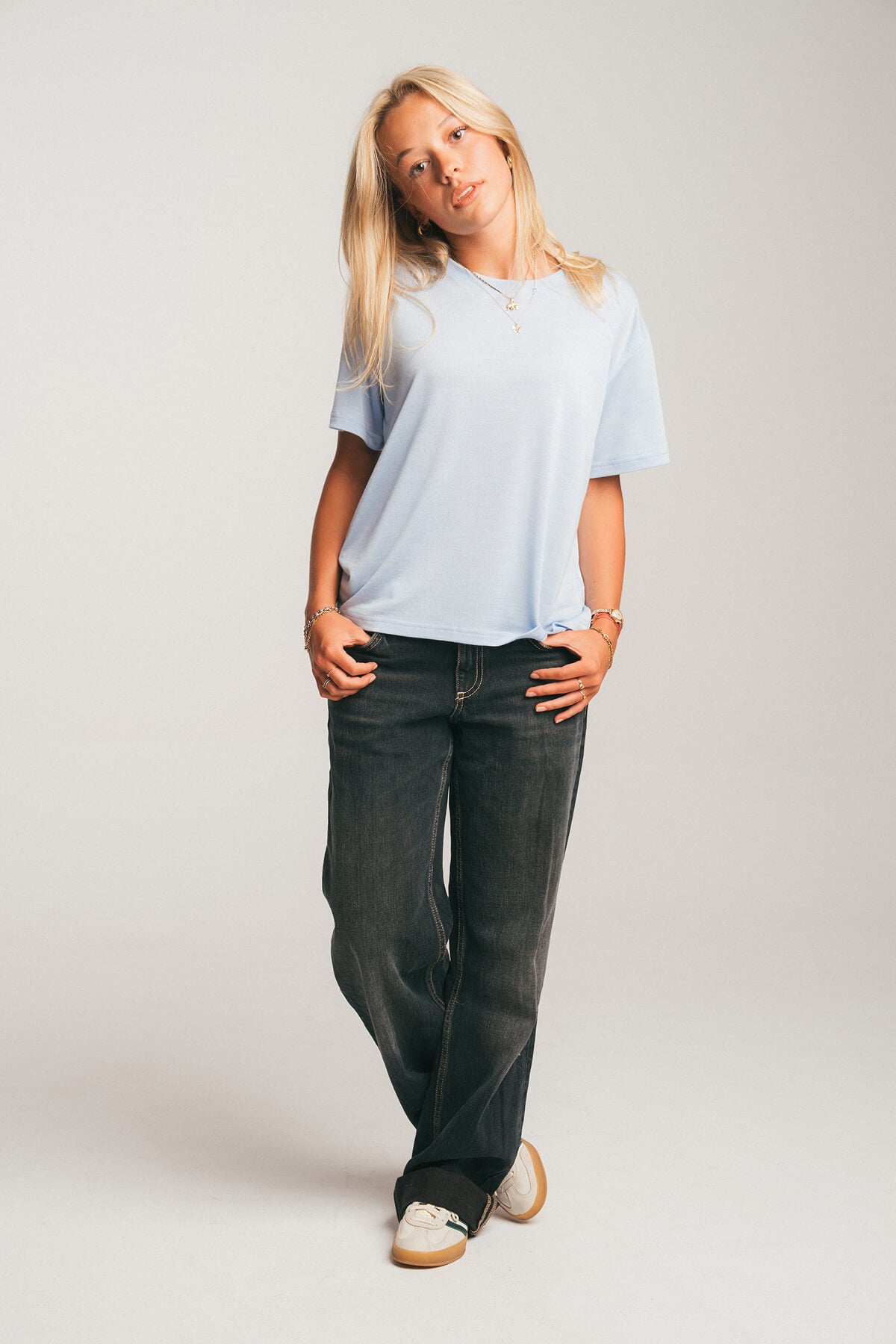
This is also why merino is not only a winter material. A lightweight merino T-shirt can work well in warmer weather too. Instead of thinking of merino only as a thick insulating layer, it is more useful to think of it as a fibre that can help maintain comfort throughout the day as temperatures change. After all, a sheep wears its wool “cardigan” all year round.
Less odour retention
This is one of the characteristics we appreciate most in everyday use. Merino does not mean that a garment will never develop an odour. The point is that wool fibres manage moisture well and can bind some of the molecules responsible for body odour.
Research cited by Woolmark shows that wool fabrics can retain less intense body odour than polyester and cotton. These properties are particularly useful, for example, when travelling with a backpack and trying to keep luggage light and compact.
This is why merino garments can often be worn several times before washing, provided they are not visibly dirty. For us, this is one of the most practical features of the fibre. Less frequent washing means not only convenience, but also lower water and energy use during garment care.
Softness
Good-quality merino can feel extremely soft, sometimes even reminiscent of cashmere. Comfort is determined primarily by fibre fineness. Fine fibres bend more easily under pressure from the skin instead of creating a prickly or itchy sensation.
It is worth remembering, however, that softness is not a characteristic of every merino product. Fibre diameter can vary, and the way the yarn is spun and the knit is constructed also affects how the material feels. Personal preferences and individual sensitivity matter as well.
Uses of merino wool
Merino wool is highly versatile. It is used both in classic everyday clothing and in garments designed for physical activity.
Fine fibres work particularly well in clothing worn directly against the body. Merino is used to make, among other things:
- thermal underwear,
- T-shirts,
- socks,
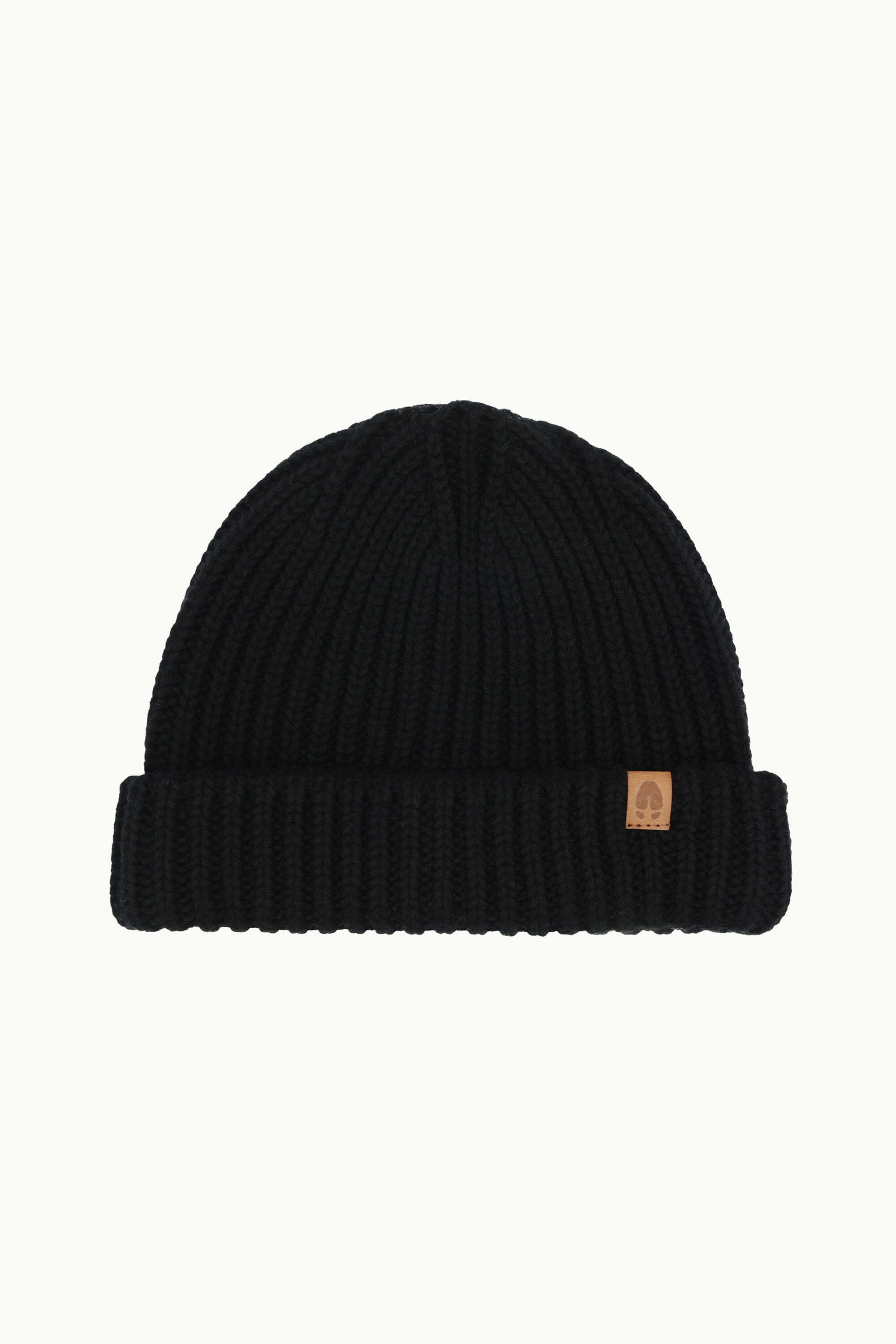
- hats,
- gloves,
- neck warmers,
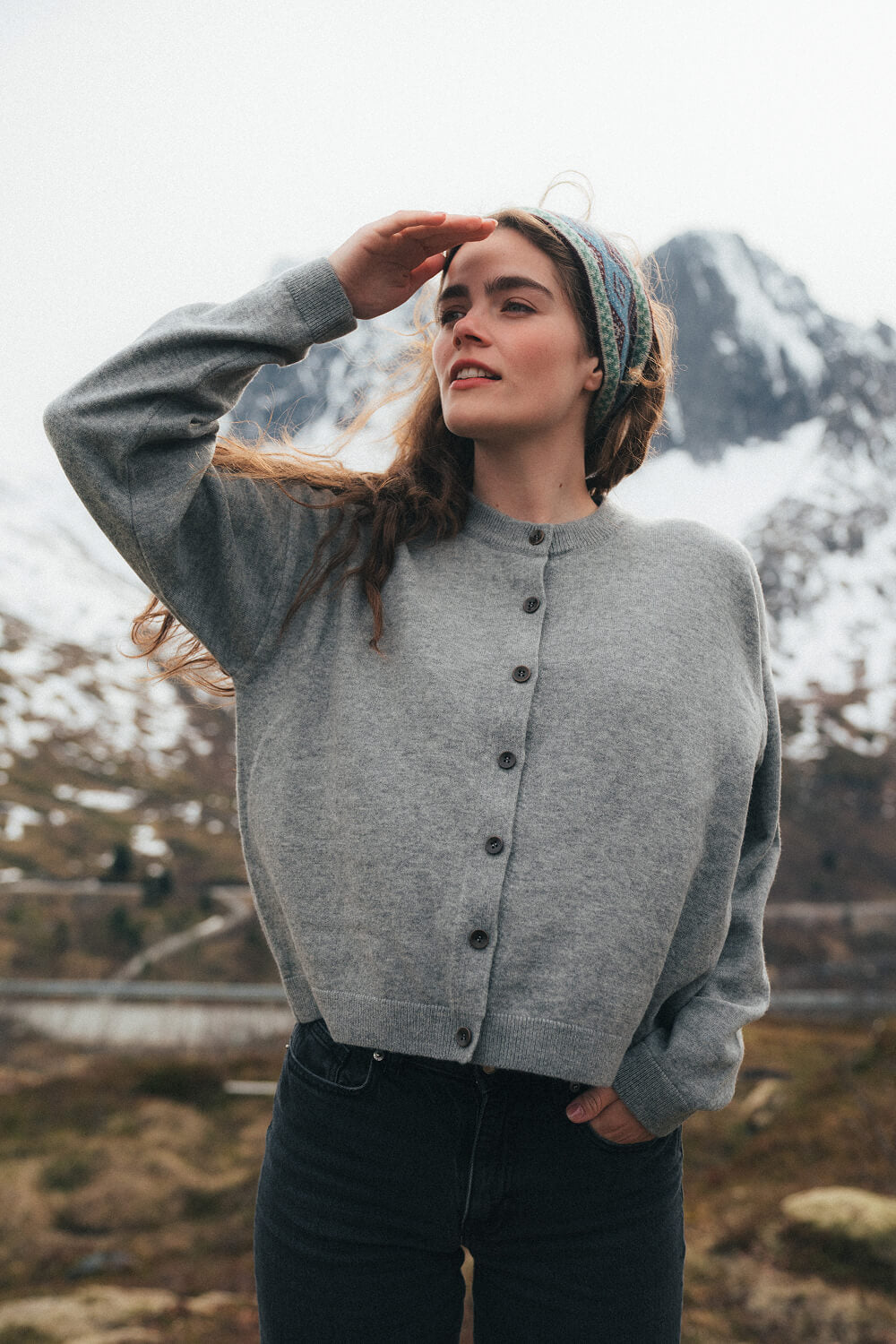
- lightweight sweaters,
- base layers for outdoor activities.
Heavier knits are used for sweaters, cardigans and cold-weather accessories, while woven wool fabrics are used to make coats, trousers and suits.
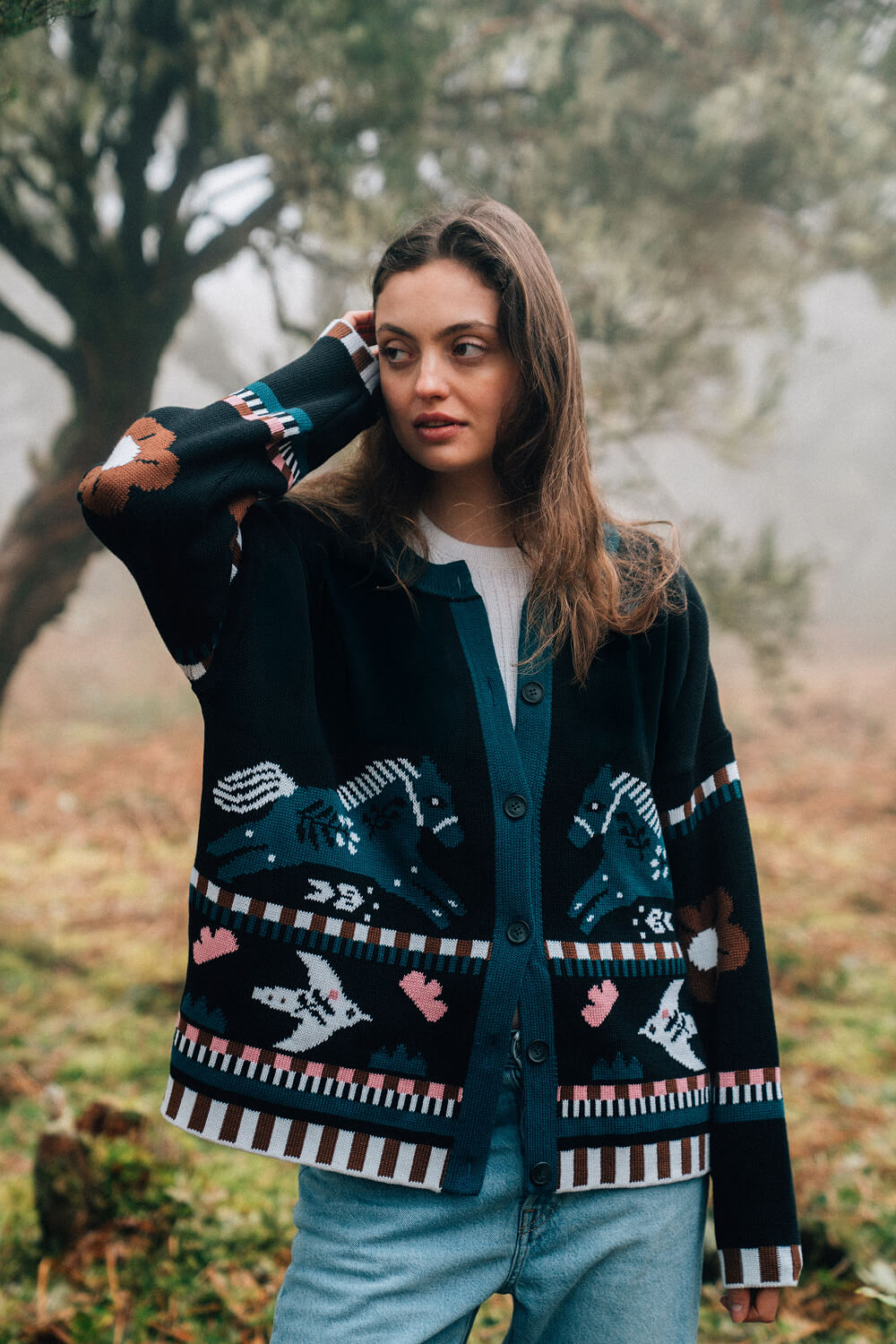
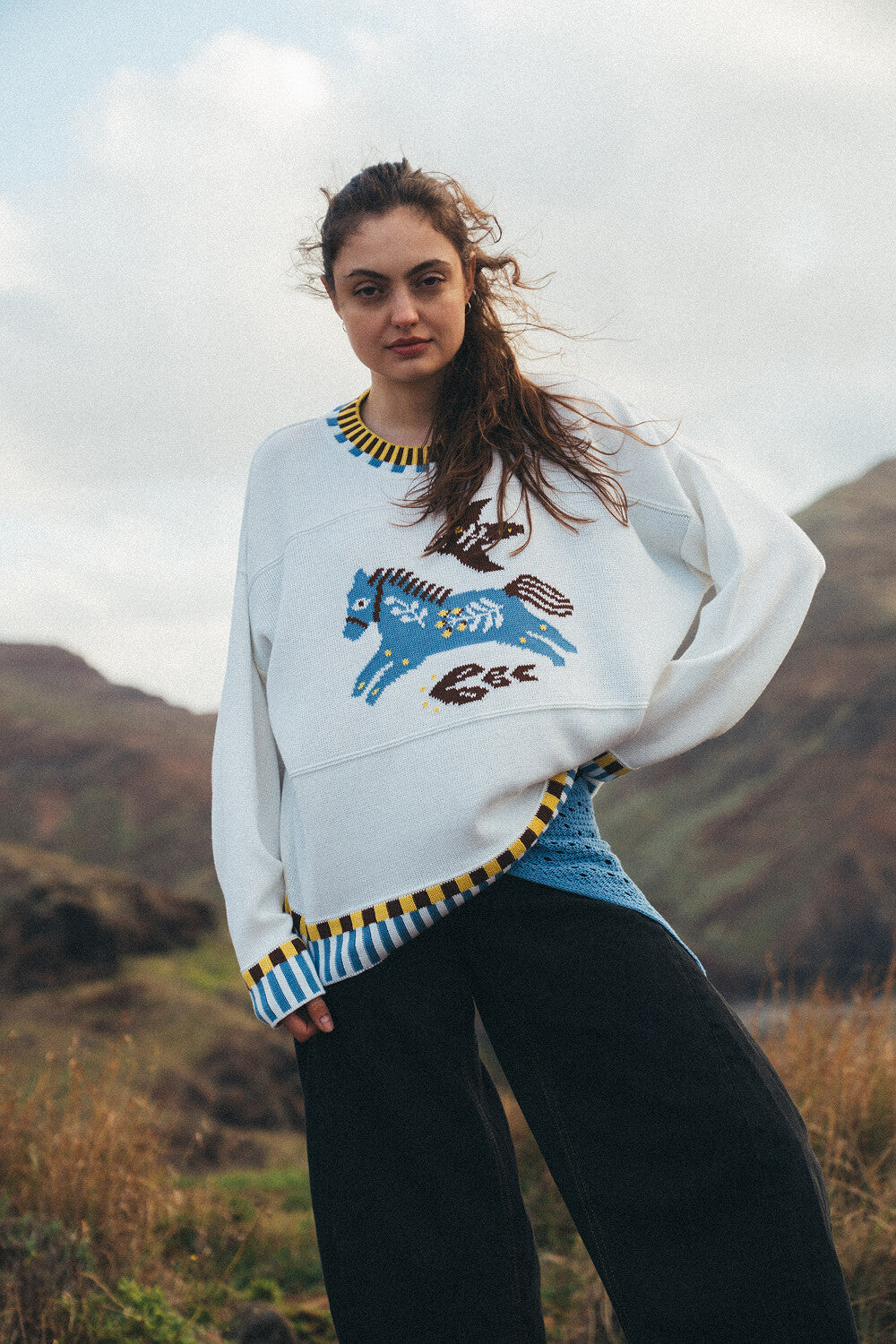
At KOPYTO, merino wool is our main fibre precisely because of this versatility. You will find both lightweight accessories and sweaters or large, substantial scarves in our range. In 2026, elegant garments made from woven wool fabrics are also joining our selection. We do not design them with only one season in mind. We want them to work in different situations and remain useful for many seasons.
If you would like to see merino in practice, explore our women's clothing, men's clothing or our collection of women's merino wool sweaters.
There is one more thing that matters greatly to us. When choosing merino wool, we look beyond performance alone. We use RWS-certified wool and our production is covered by this certification. The Responsible Wool Standard includes requirements relating to animal welfare, land management, working conditions and traceability throughout the supply chain. RWS also prohibits mulesing, a painful practice performed on sheep.
You can read more about the standard on our page about RWS certification, while we explain the meaning of mulesing-free merino wool separately.
We do not believe that certification alone solves every issue connected with responsible production. It is, however, a concrete way of verifying where the raw material comes from rather than relying only on declarations made by a brand.
Is merino wool suitable for summer and winter?
Yes, but the key factors are fabric weight and the way the material is knitted or woven.
When we think about wool, we still most often imagine a thick sweater and winter weather. In reality, fine merino fibres can also be used in summer clothing. Their ability to absorb water vapour and help regulate temperature means that a lightweight merino layer can also feel comfortable in warmer conditions.

Of course, this does not mean that a thick wool sweater will be a good choice in hot weather. Fabric weight, knit construction and fit all matter.
In winter, the situation is different. Heavier merino wool helps reduce heat loss and provides very good protection against the cold. It can be worn as a base layer, an outer layer or as a standalone piece.
The ability to match the thickness of the material to the conditions is one of the reasons merino is so versatile. There is no single “wool for everything”. Different yarns, weights and cuts suit different needs.
At KOPYTO, we make use of this characteristic every day. Lightweight merino hats and headbands can work well in transitional weather, while heavier sweaters and scarves naturally suit colder months. Clear filtering in our store helps you find the product that best matches what you need.
Is merino wool worth buying?
Our answer is simple: yes, if you will actually make use of its properties.
We do not choose merino because it is fashionable. We like this material because it meets specific needs. It is comfortable, handles temperature and moisture well, does not require frequent washing thanks to its natural resistance to odour, and works both for everyday wear and physical activity.
It also has some disadvantages. Good merino costs more than many synthetic materials. Not every merino yarn will be equally soft either. Remember that lanolin can sometimes have a characteristic scent. Some of you describe it as a slight “sheep smell”. It will not bother everyone, but we know that some people notice it.
Fine fibres require appropriate care. Before putting a delicate sweater in the washing machine, make sure that the specific model is made from yarn suitable for machine washing. There are also a few general rules that are important for success: low temperatures (max. 30°C), sorting colours and drying flat. Our wool care guide contains more useful information. Still unsure? Send us an email or contact us on Instagram and we will do our best to help.
That does not mean caring for merino wool always has to be inconvenient. Some types can be machine washed using a dedicated wool programme.
Before buying, it is worth checking a few things. First, the fibre composition. Second, fibre diameter, if it is provided. Third, care instructions. And finally, of course, the origin of the raw material.

For us, this last point is particularly important. At KOPYTO, we choose RWS-certified merino wool because we want to know where the raw material comes from and understand its journey from the farm to the finished product. Our production takes place in Poland, and RWS certification also includes supply-chain control.
We also focus on products that can be worn for a long time. The idea is simple: better materials, thoughtful design and garments you will want to reach for over several seasons. Merino wool fits this approach very well because its value goes far beyond the first impression. The regular price of some products may be high, but considering their functionality and durability, they can prove to be a worthwhile long-term purchase.
Merino wool can also be worth choosing for environmental reasons. Wool is biodegradable and, unlike plastic-based fibres, does not persist in the environment in the same way after disposal.
Parents of young children may appreciate that the finest merino fibres can feel very gentle against sensitive skin. This is one of the reasons merino is often chosen for garments worn by babies and young children.
If you are wondering whether to buy your first wool product and whether merino is right for you, start with a simple question: what do you expect from your clothes? If you value lightness, comfort, breathability, odour resistance and garments that work both in the city and outdoors, merino has a lot to offer. At KOPYTO, we also pay close attention to every detail: design, style and a wide range of colours.
That is exactly why merino is our favourite fibre. As always, we also invite you to discover the woolly animals in our collection. If we have convinced you, come and find your first piece.
Psst... join our newsletter to receive a discount on your first order.
You can read more about our approach to raw materials, production and long-term product use on our Responsibility page.
Sources
- The Woolmark Company – what merino wool is and how it is used
- The Woolmark Company – wool fibre structure, micron count, softness, thermoregulation and moisture management
- The Woolmark Company – wool, moisture and body odour
- Textile Exchange – Responsible Wool Standard (RWS), animal welfare, land management and traceability
- The Woolmark Company – biodegradability of wool fibres