Virgin wool – what is it and what does it mean?
Virgin wool is wool made from new fleece whose fibres have not previously been used in another textile product. The term does not refer to a particular breed of sheep or one specific type of fibre, but to the origin of the raw material. Unlike regenerated or recycled wool, it is not made from recovered fibres, and this difference can affect the quality, durability and comfort of the finished product. Virgin wool is also characterised by high elasticity and exceptional softness.
If you compare fabric compositions, choose clothing made from natural materials, manufacture garments or simply want to take better care of wool products, you will find the key information here. We explain what virgin wool actually is, what its quality and properties depend on, how it differs from other types of wool, where it is used and how to care for products made from it.
It is also worth clarifying the frequently repeated idea of “first shearing”. Lambswool from the first shearing of young sheep is a separate category of raw material and can be very fine, but not all virgin wool comes from the first shearing. The terms are sometimes used interchangeably even though they do not mean exactly the same thing.
Contents
- What is virgin wool and how is it different from ordinary wool?
- Virgin wool properties – durability, softness and comfort
- Virgin wool vs lambswool and other types of wool – key differences
- Uses of virgin wool in clothing and textiles
- How to care for virgin wool products
- Does virgin wool itch and is it a good choice? Pros and cons
What is virgin wool and how is it different from ordinary wool?
Put simply, virgin wool comes from new fleece. Its fibres have not previously been processed into a finished product and then recovered for reuse. This is what distinguishes it from recycled wool. It does not, however, mean that the material is automatically free from all substances used during production. Raw wool goes through several stages of processing, including cleaning, spinning and dyeing.
Virgin wool is not the name of a sheep breed. The quality of the material also depends on fibre diameter, fibre length, the spinning method and the construction of the finished fabric or knit. This is why two products made from virgin wool can differ in softness, appearance and durability.
The same applies to lambswool. Lambswool refers to wool obtained from young sheep, while virgin wool primarily describes new fibres that have not been used before. A first shearing can therefore produce virgin wool, but not all virgin wool comes from a first shearing.

Virgin wool properties – durability, softness and comfort
The properties of virgin wool largely result from the natural structure of wool fibre. Wool is resilient, elastic and resistant to creasing. Its fibres can bend repeatedly and return to their original shape, which contributes to the durability of the material.
Is virgin wool warm? Yes, but not every type to the same degree. Wool provides good insulation and has thermoregulatory properties because its structure helps trap air. At the same time, the fibres absorb water vapour, helping to maintain comfort in changing conditions. Much depends, however, on fibre thickness and the way the fabric or knit is constructed.
Softness is another important factor. Whether wool feels pleasant against the skin depends primarily on the diameter of its fibres. The finer the fibres, the lower the likelihood of an itchy or prickly sensation. Very fine wool fibres can therefore be suitable for garments worn directly against the skin.
For this reason, there is no single answer to the question “Does virgin wool itch?”. You need to look at the parameters of the particular yarn. If maximum softness is important, it is worth choosing finer types of wool with a lower micron count.

Wool also has a natural resistance to retaining odours. Virgin wool also shows antibacterial properties. Its fibres absorb moisture and allow the skin to “breathe”, which means garments can stay fresh for longer and do not require frequent washing.
Virgin wool vs lambswool and other types of wool – key differences
Different types of wool vary in origin, fibre thickness and properties. Virgin wool differs from regenerated wool because it is a new raw material. Due to the quality of the fibre, it is valued and can be more expensive than standard wool. Regenerated wool, by contrast, is made from fibres recovered from previously manufactured products.
Lambswool is associated with the age of the animal — sheep are usually around 6–7 months old when sheared — rather than with whether the fibre has previously been used. It can come from the first shearing of a lamb, which is why it is often associated with softness. This means lambswool can only be obtained once from each sheep. Its parameters vary depending on region and sheep breed, which also results in considerable differences in price. It should not be assumed that every first shearing produces fibres with identical characteristics.

Other types of wool can have very different uses. Merino is valued for its fine fibres and softness, which is why it is also used for clothing worn directly against the skin. Coarser fibres are better suited to more robust materials, such as those used for coats or interiors. Another popular and highly valued fibre is cashmere, which comes from cashmere goats. Sheep's virgin wool can be less expensive while still achieving a very high level of softness.
If you would like to learn more about the origin of the raw material, read about mulesing-free merino wool and what the RWS certification means.
Uses of virgin wool in clothing and textiles
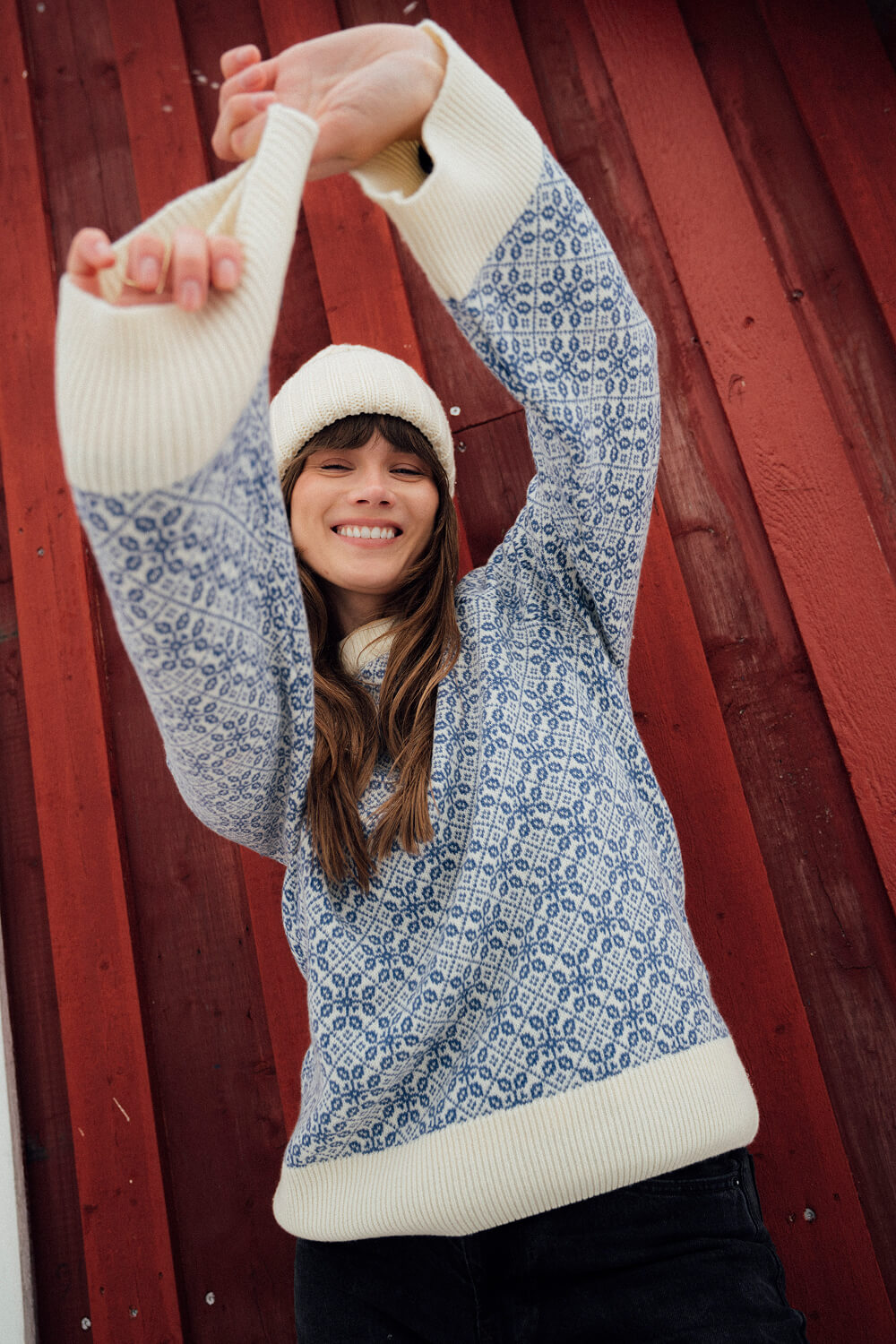
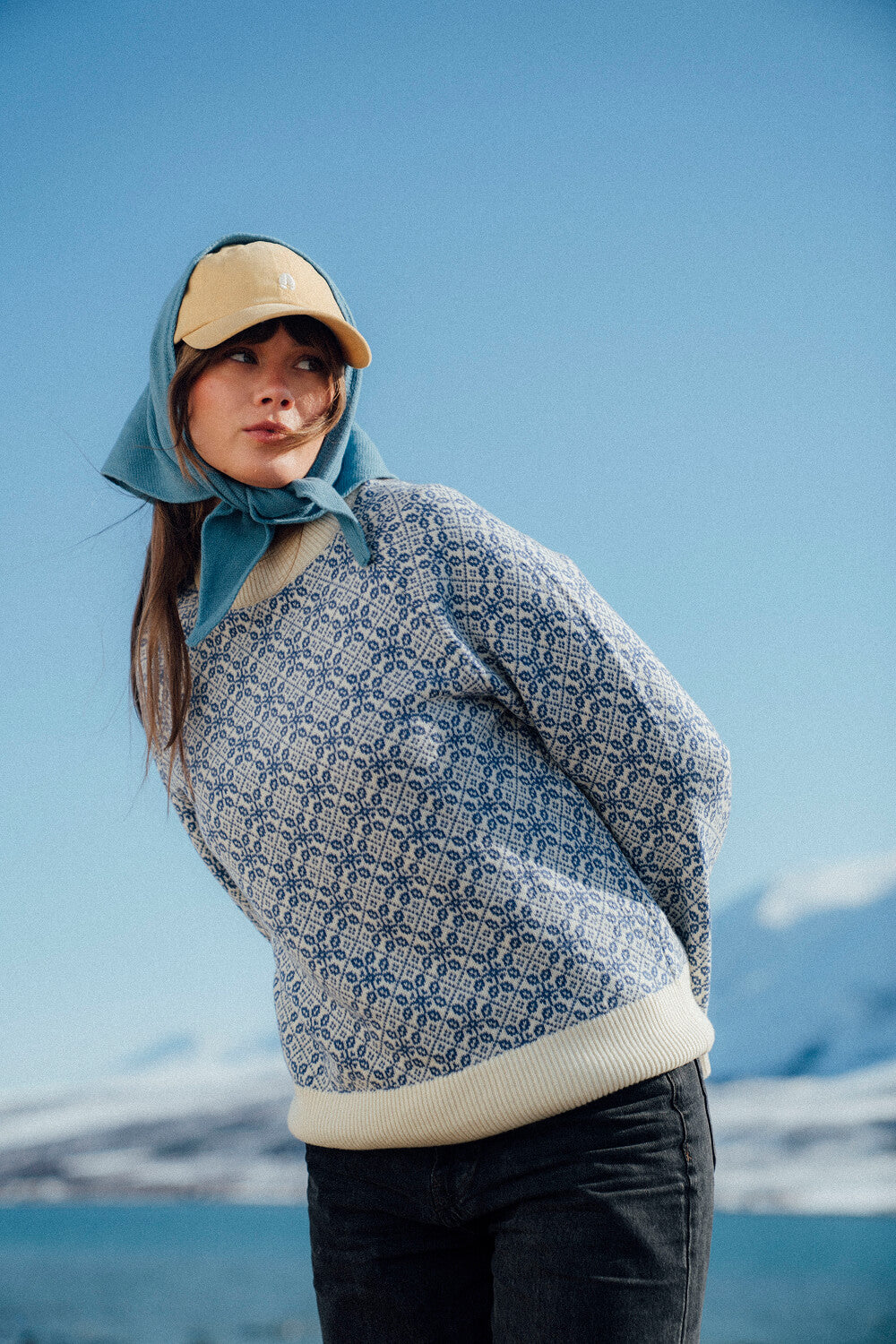
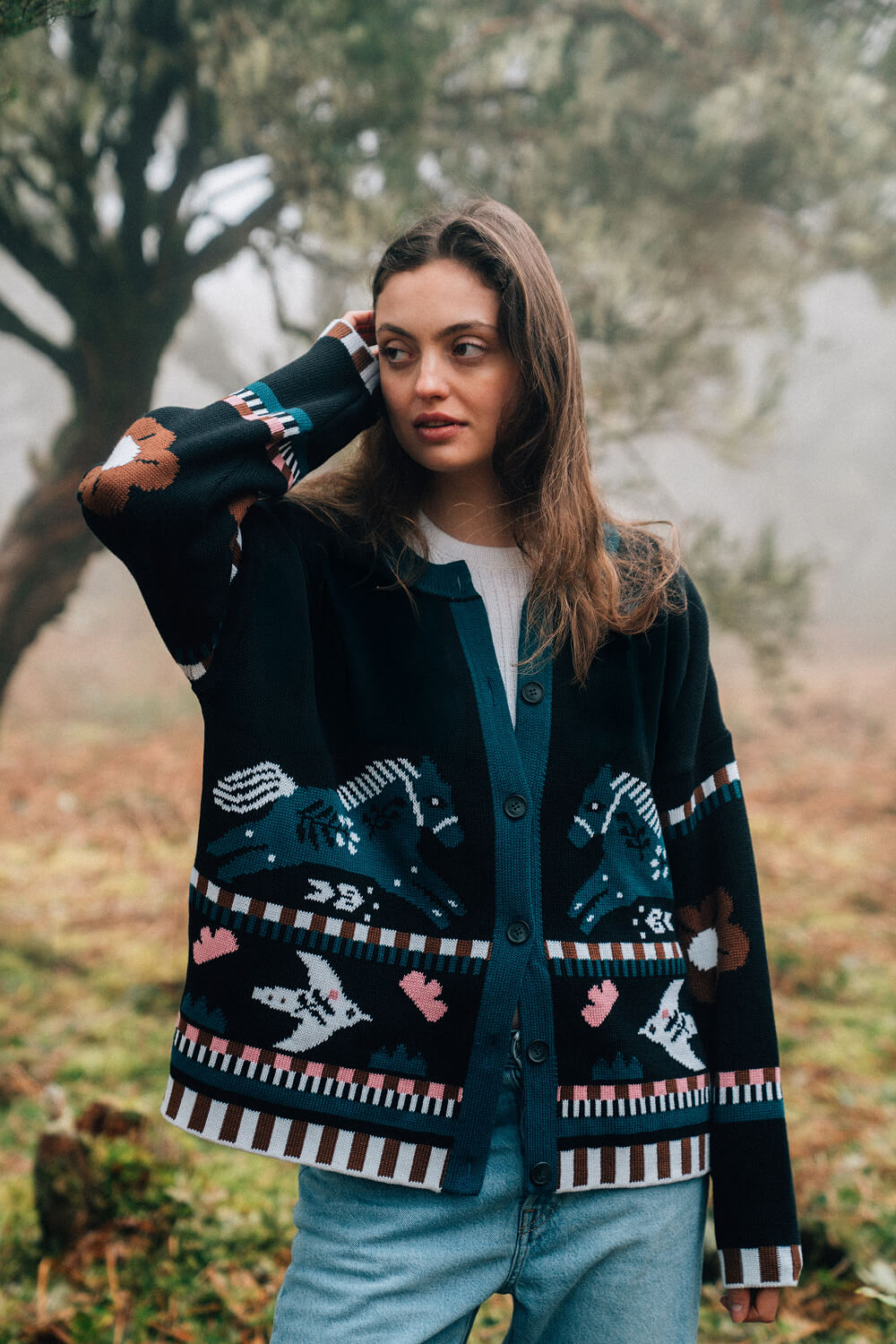
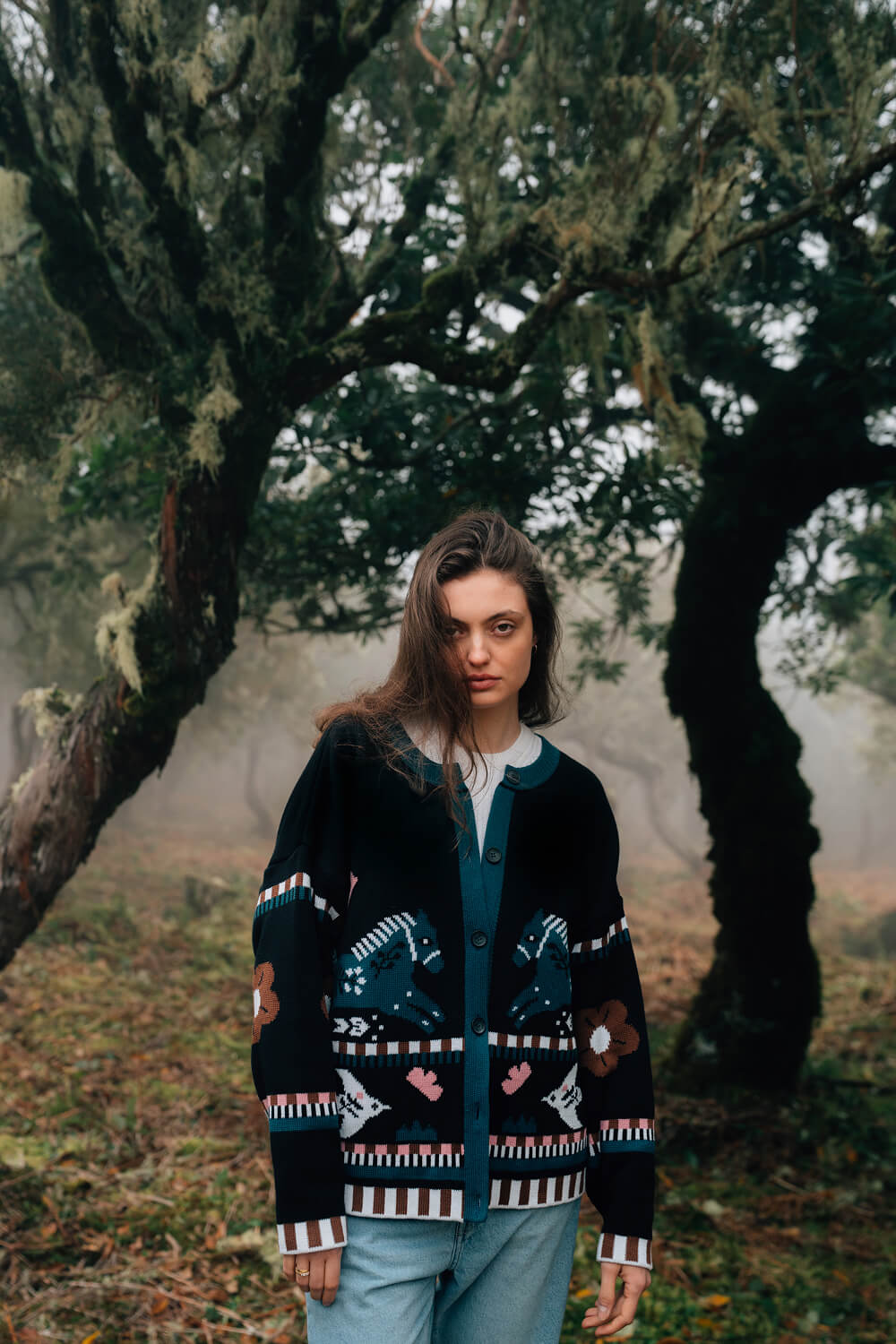
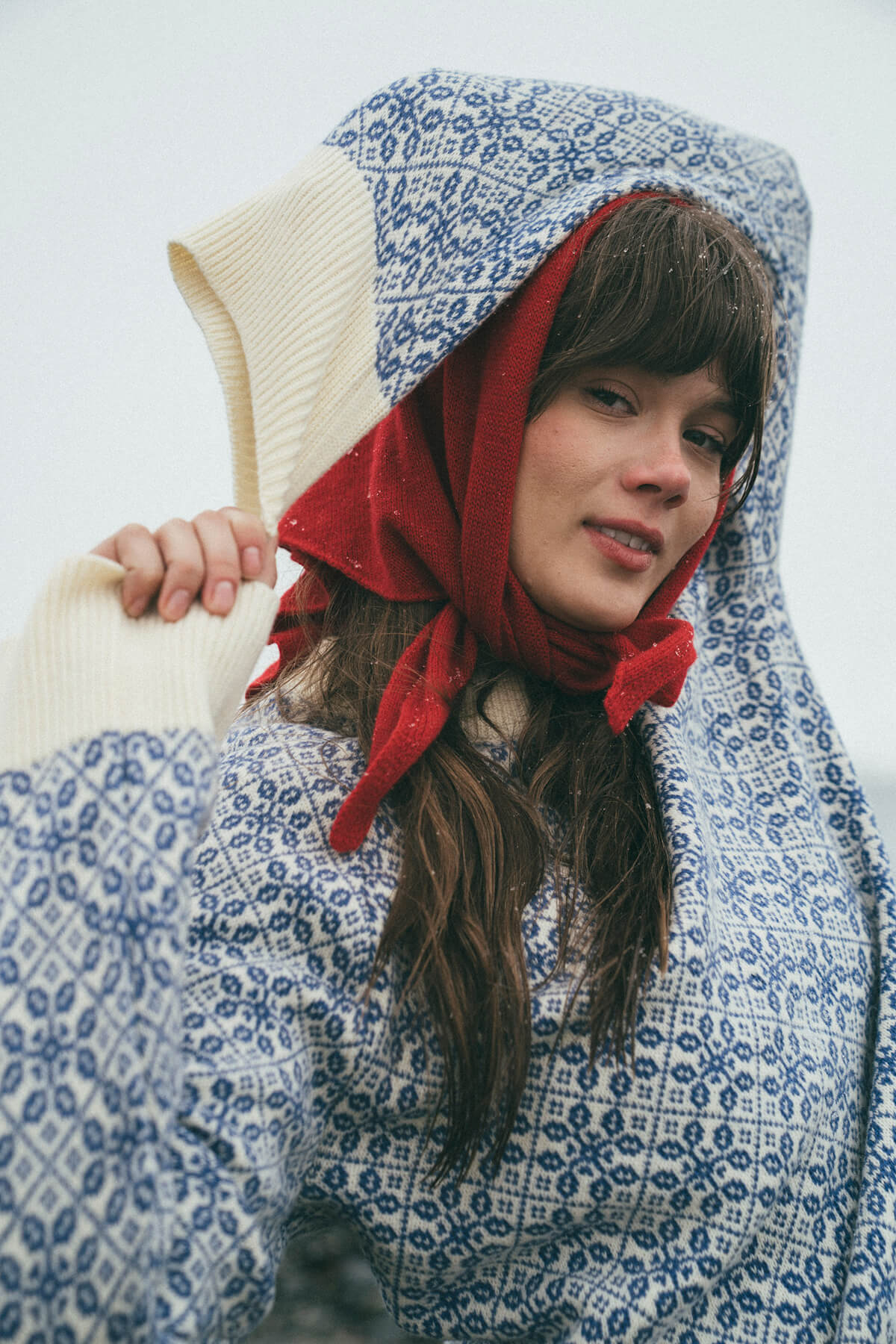
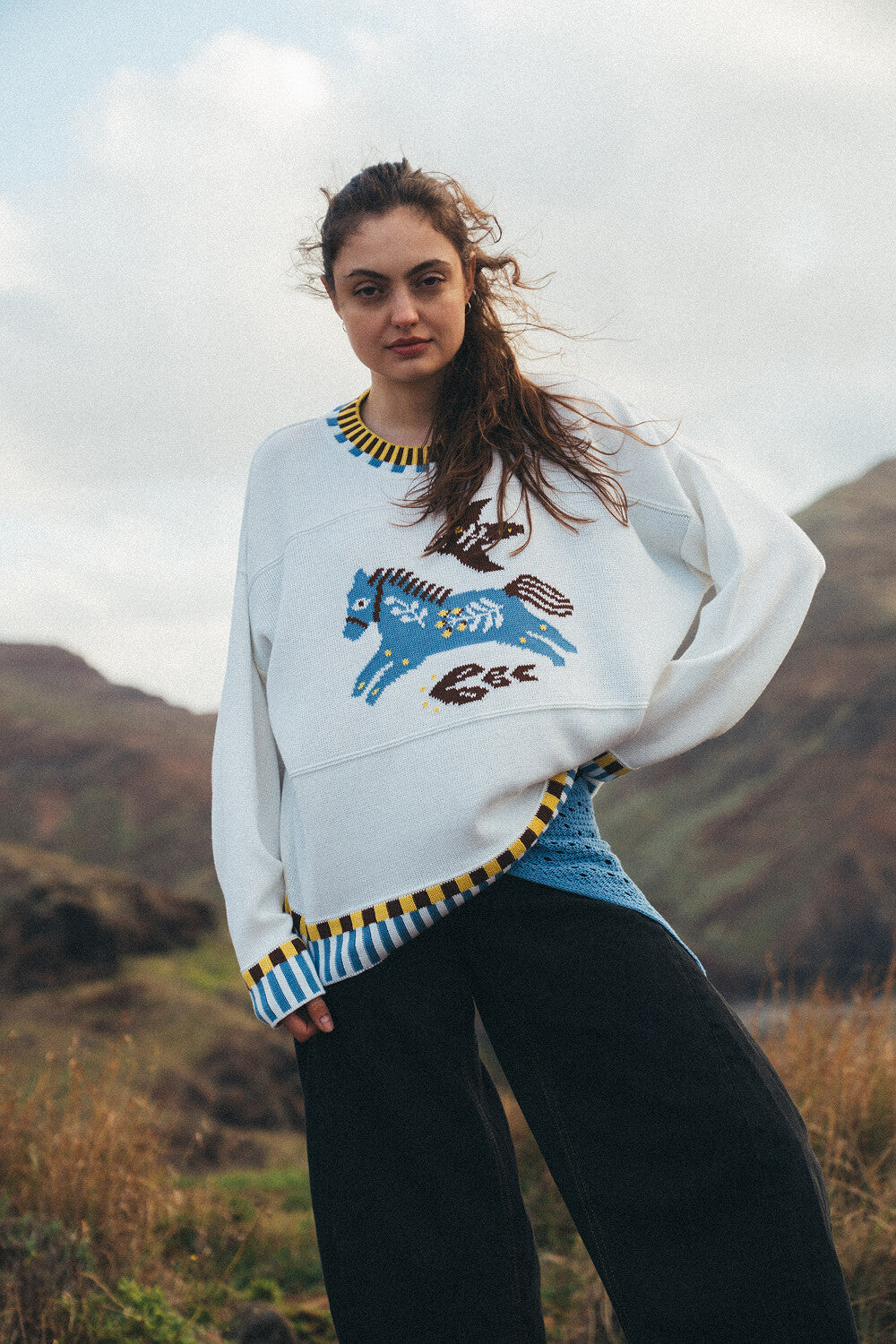
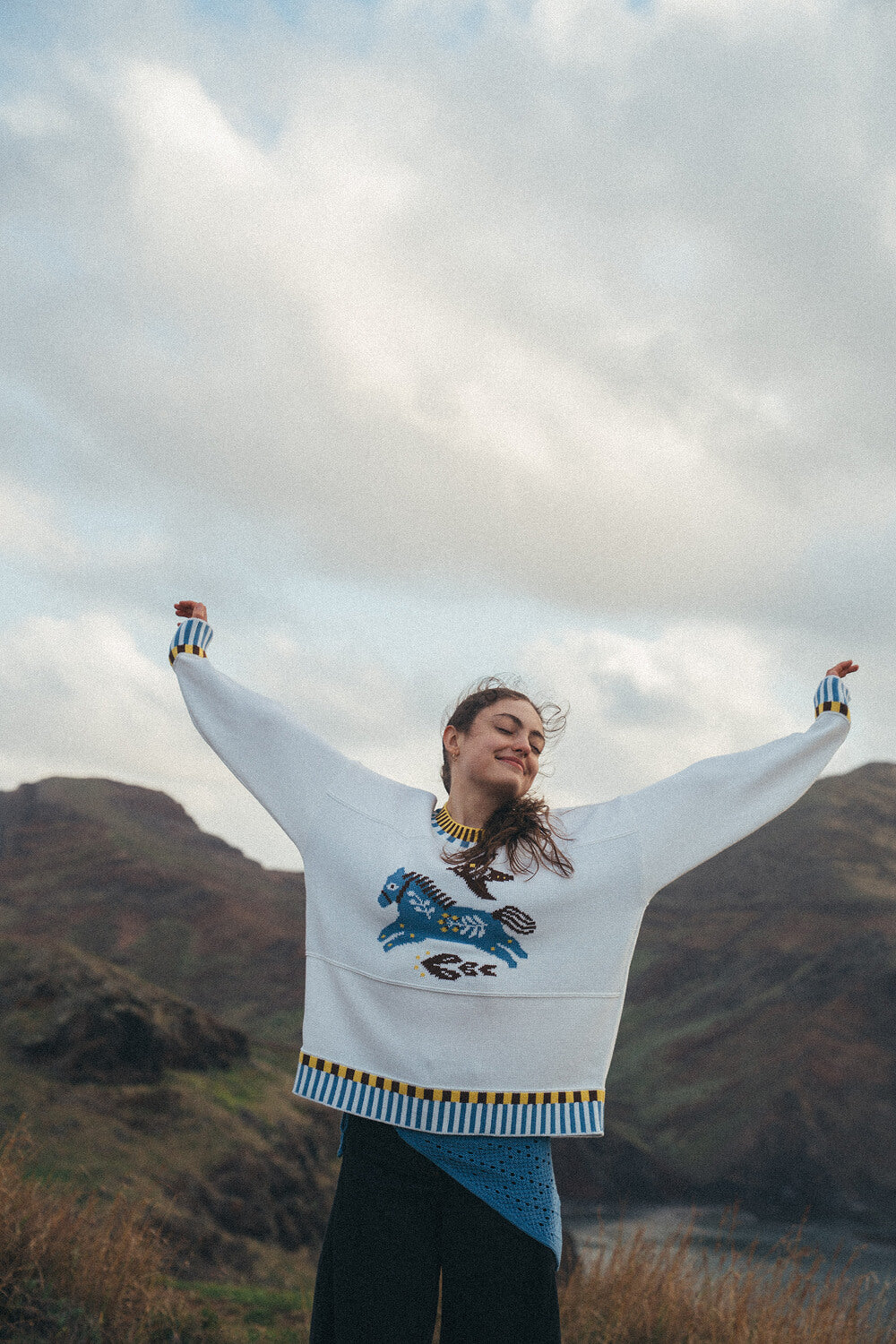
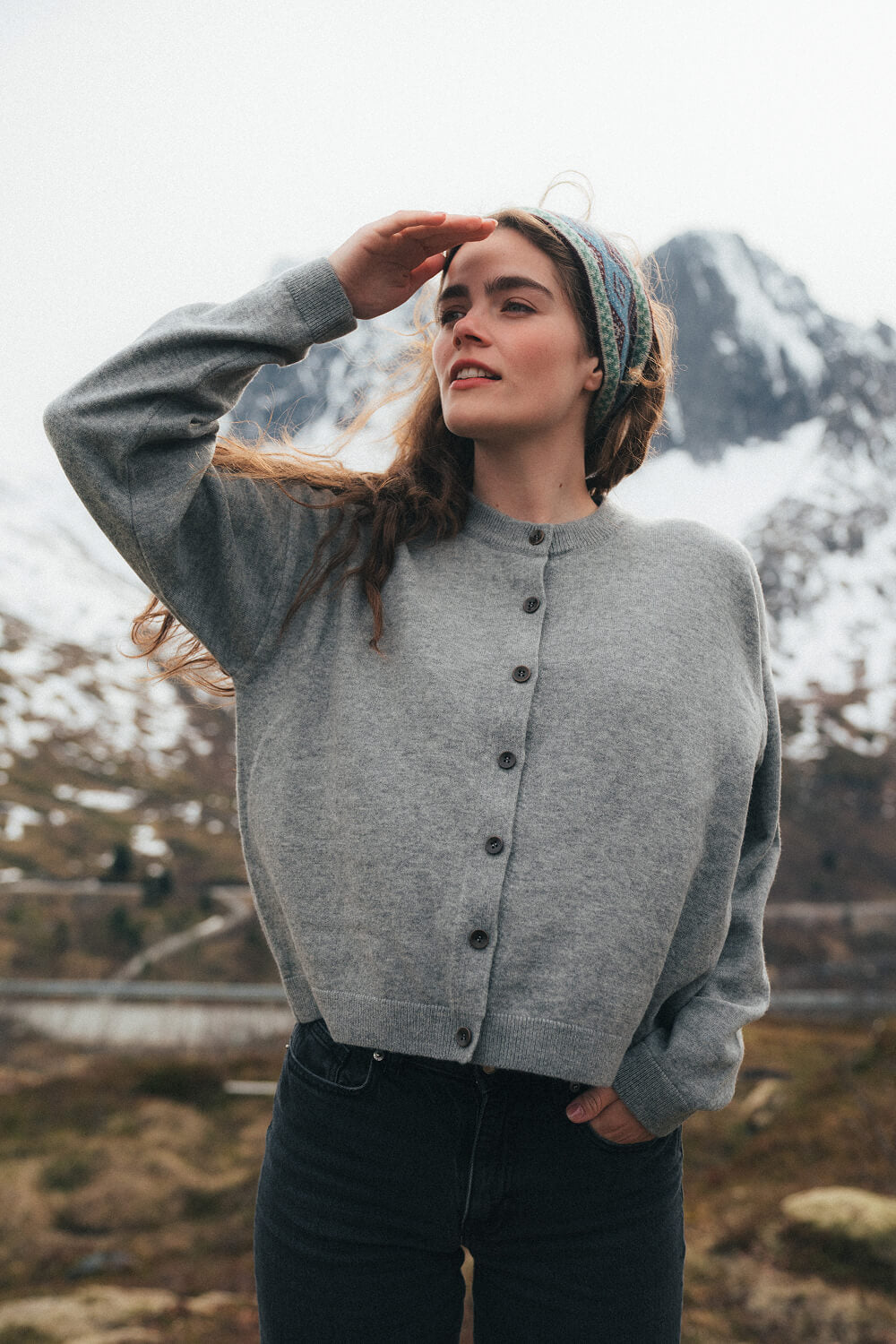
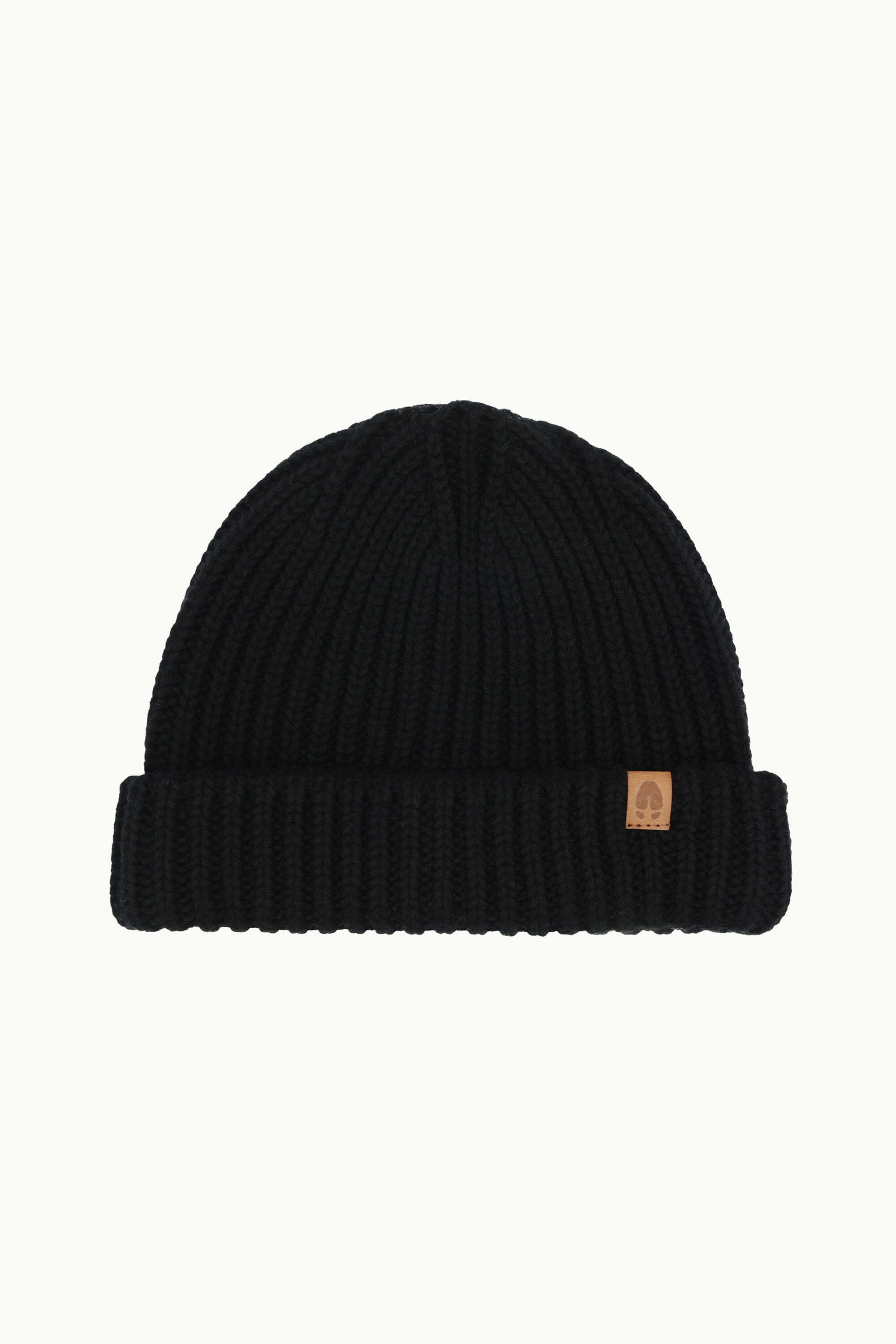
Virgin wool is used to make both knitted and woven fabrics. Its application depends on fibre parameters and the production process. It can be used for hats, scarves and sweaters, while heavier fabrics work well for coats. Treated wool fabrics are also used for blazers and complete suits.
A finer fabric or knit made from delicate fibres can be lighter and pleasant to the touch, making the finished garment more comfortable to wear. Heavier materials provide more insulation and can be used for outerwear. Merino wool is also used for sportswear, including thermal underwear, socks and base layers.
This versatility is one of the key strengths of wool. Properly selected wool can be both lightweight and comfortable, while its natural properties contribute to the creation of durable products.
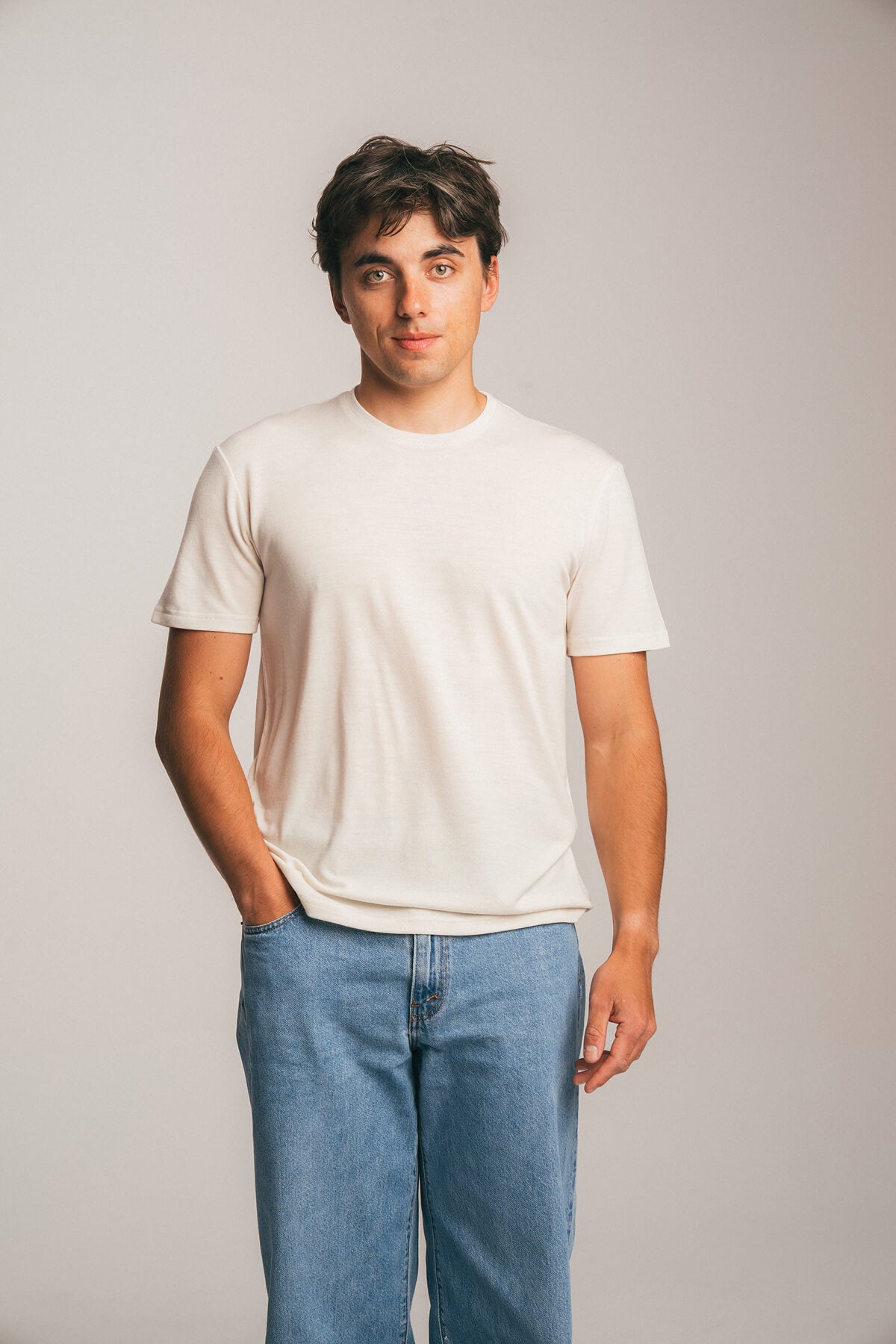
In practice, we use the different properties of wool in both women’s clothing and men’s clothing.
How to care for virgin wool products
The most important rule is simple: do not wash wool unless it is necessary. Its resistance to odours means that airing a garment is often enough. Wool's natural properties also help limit soiling and make small stains easier to remove. Washing less often can also help preserve the material's properties for longer.
Always check the care label before washing. Not every wool product can be washed in the same way. Some garments require hand washing, while others have special finishes that allow them to be machine washed. At KOPYTO you will find both more demanding products and those marked total easy care. Be sure to read our guide to washing wool.
For delicate products, lukewarm water is a good choice. Virgin wool should not be wrung after washing. Instead, gently press out excess water and leave the garment to dry flat, if recommended by the manufacturer. Avoid excessive moisture during drying. Ironing should be done at a low temperature.
Following these simple rules helps maintain durability and keeps the material in good condition for a long time.
Does virgin wool itch and is it a good choice? Pros and cons
Virgin wool has many practical advantages. It is a natural and renewable raw material, and wool fibres are biodegradable, which is beneficial for the environment because they do not release microplastics as they break down. Wool is also characterised by resilience, good insulation, moisture regulation and biodegradability.
It is not without disadvantages. Pilling can occur, particularly in areas exposed to friction. Not all wool is equally soft, and caring for it requires more attention than some synthetic fibres. The price can also be higher, particularly for fine, high-quality fibres.
It is also worth remembering that virgin wool is not automatically a more responsible choice than recycled wool. Recovered wool can reduce demand for new raw material, while the ethical profile of a material depends on its entire production cycle.
Read more about how we approach raw materials, production and responsibility for our products on our Responsibility page and in our sustainable brand manifesto.
When choosing a product, it is therefore worth looking beyond a single term on the label. Composition, fibre thickness, production methods, care and how long the garment will actually be used all matter. Long-term use, rather than the material label alone, has a direct impact on its environmental footprint.