Eco-friendly clothing – what does it actually mean?
Eco-friendly clothes - do you also care about wearing them? If so, keep reading. In this article, you will learn why wool is eco-friendly and how to choose wool that meets your expectations.
Eco-friendly clothes - what does it actually mean?
A lot is said about the relationship between fashion and the natural environment. A highly toxic relationship.
Polyester is pure chemistry and takes a million years to decompose - obviously. The same applies to polyamide, acrylic and elastane. When these materials are washed, huge amounts of microplastics enter the water. Viscose? Sulfuric acid is even used in its production!
Natural materials only seem to produce eco-friendly clothes. Cotton plantations use huge amounts of pesticides, while silkworm larvae, without which there would be no silk, eat hundreds of kilograms of leaves. Natural leather is associated not only with animal suffering, but also with the use of many chemicals.
And wool? Would you buy eco-friendly clothes made from this material? It turns out that you can.
Eco-friendly clothes made from wool are produced differently.
Did you know that cotton production uses as much as 6% of the world's freshwater resources? Cotton plantations are often irrigated with water from natural bodies of water — such as lakes and rivers. This leads to their gradual disappearance.
On top of that, cotton cultivation accounts for as much as ¼ of all pesticides used worldwide. This huge amount of chemicals then enters the soil.
Eco-friendly clothes made from merino wool are produced using 70% less water than conventional cotton. Producers are also increasingly offering eco-friendly clothes made from wool that has not been chemically treated.
You can wear eco-friendly wool clothes for years.
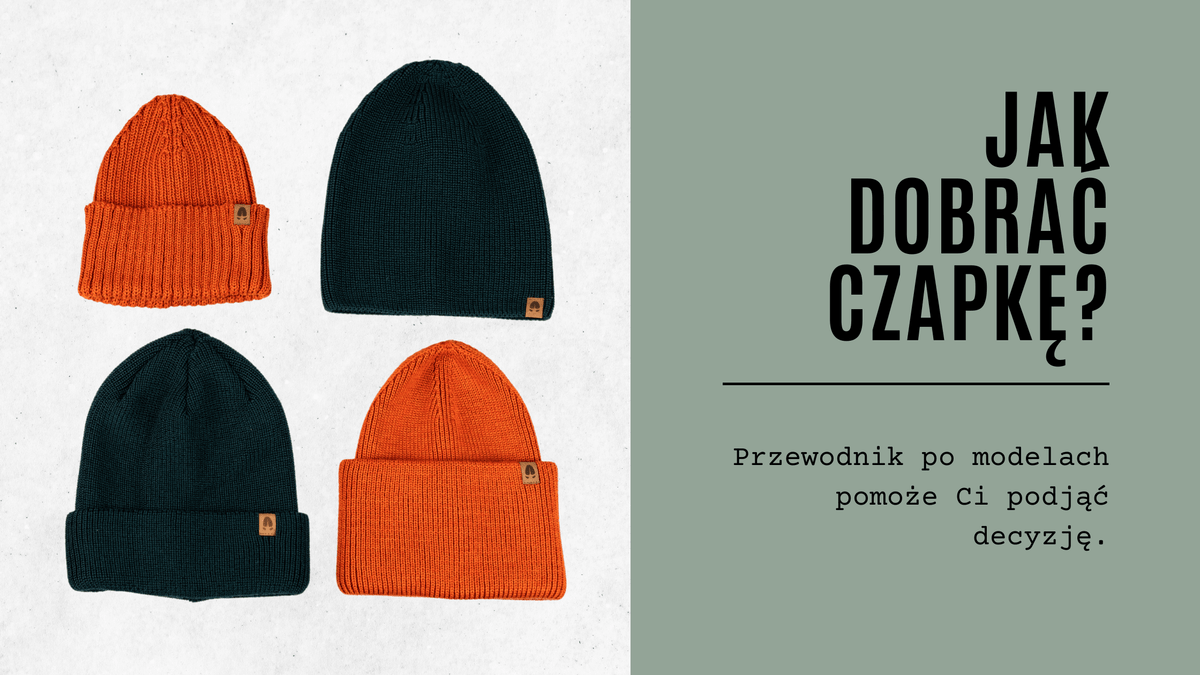
Is your winter hat from last year already only good for the bin? If so, we can bet it contains acrylic. This synthetic material was created as a very cheap substitute for wool. And apart from its low price, it does not have much to offer.
Meanwhile, wool, as long as it is used properly:
- does not pill,
- retains its shape,
- does not absorb odors.
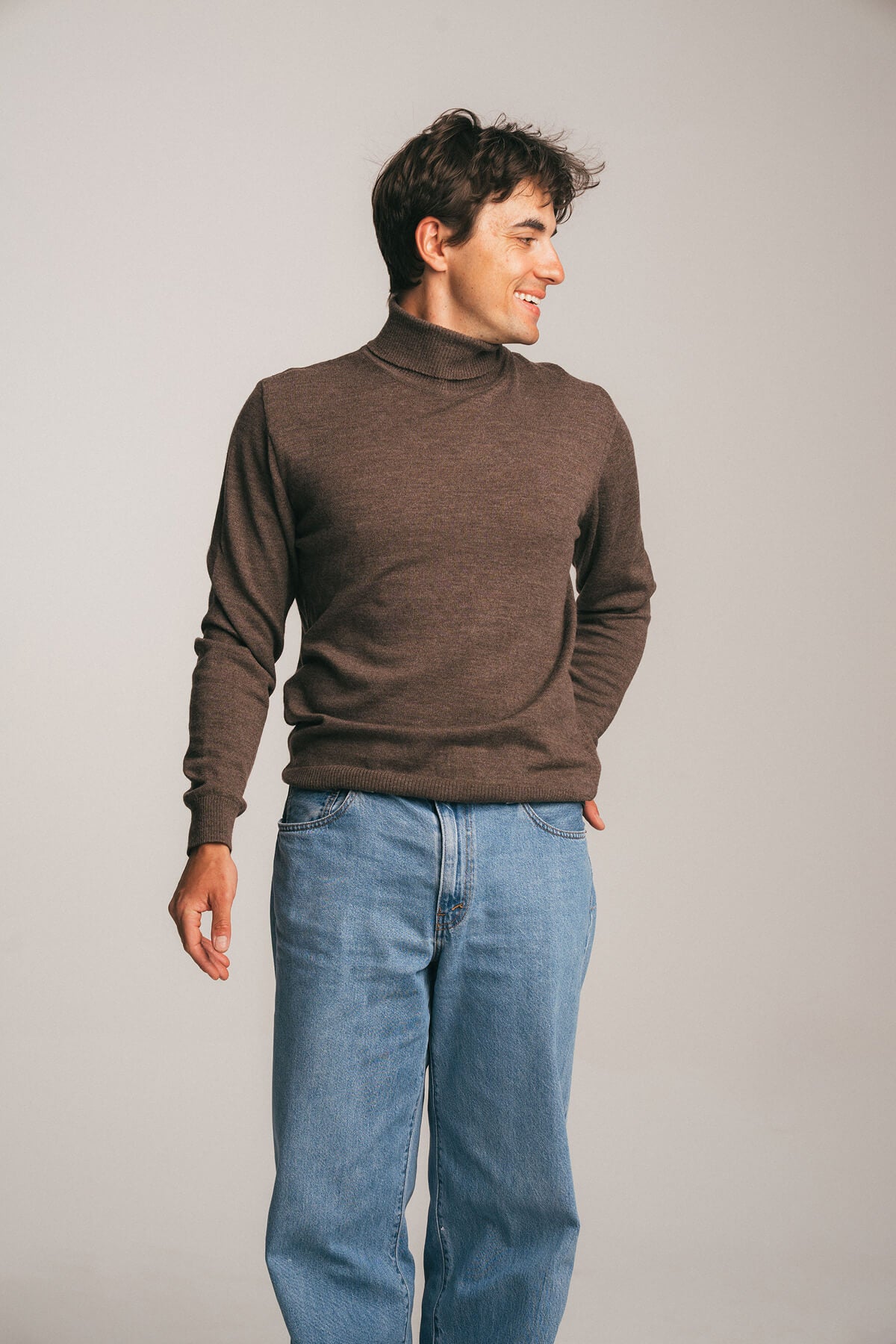
By choosing wool sweaters, you can be sure that they are eco-friendly clothes. They will not end up in the bin anytime soon. You can wear them for many seasons. And if you get tired of them, you can easily pass them on to someone else so they can continue to be enjoyed.
You will wash woolen, eco-friendly clothes less often.
Eco-friendly clothes that are truly eco-friendly, not just in name, are difficult to get dirty. Dust stays away from them, and sweat evaporates quickly. Eco-friendly clothes need to be cleaned less often, which means they require little water or cleaning products.
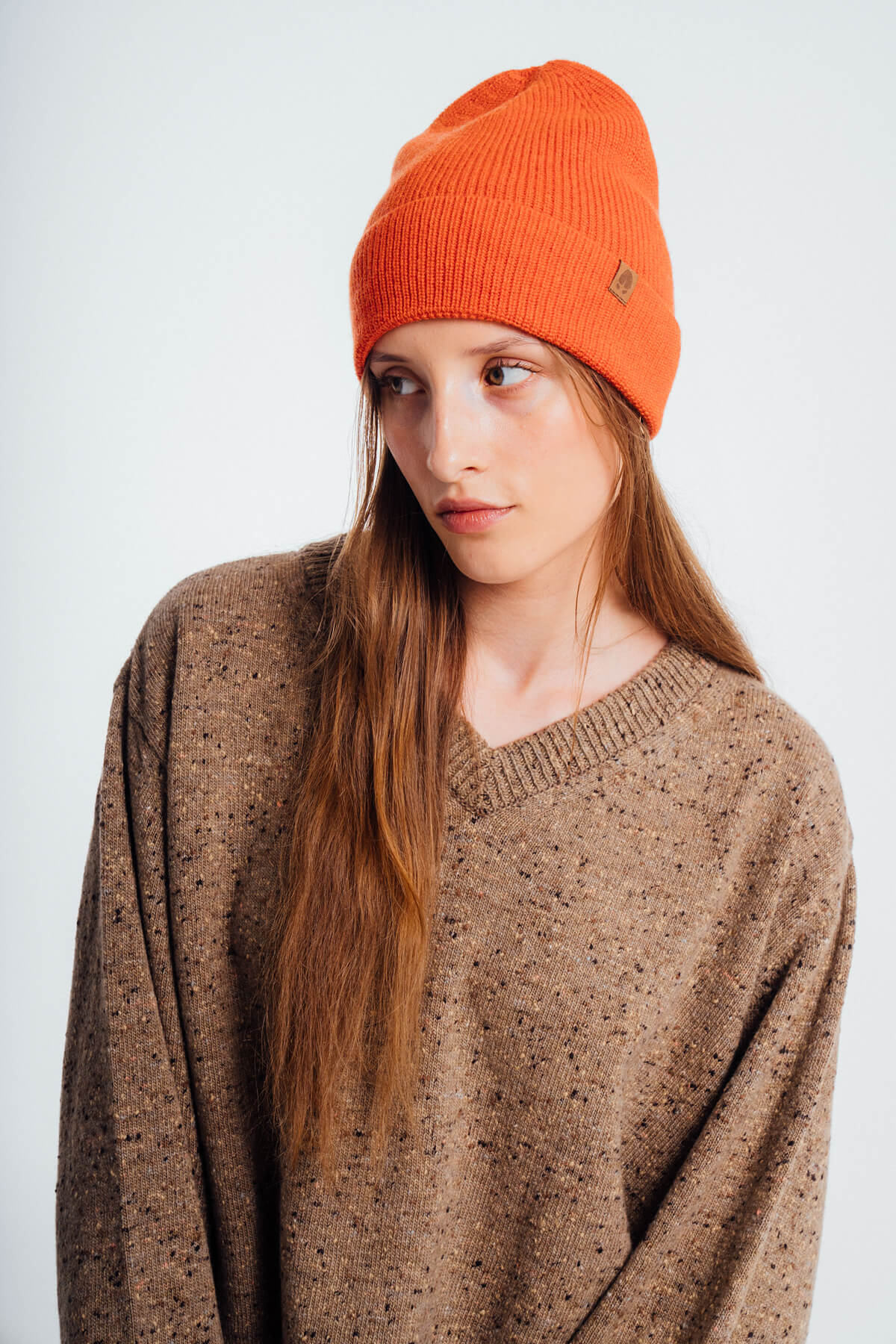
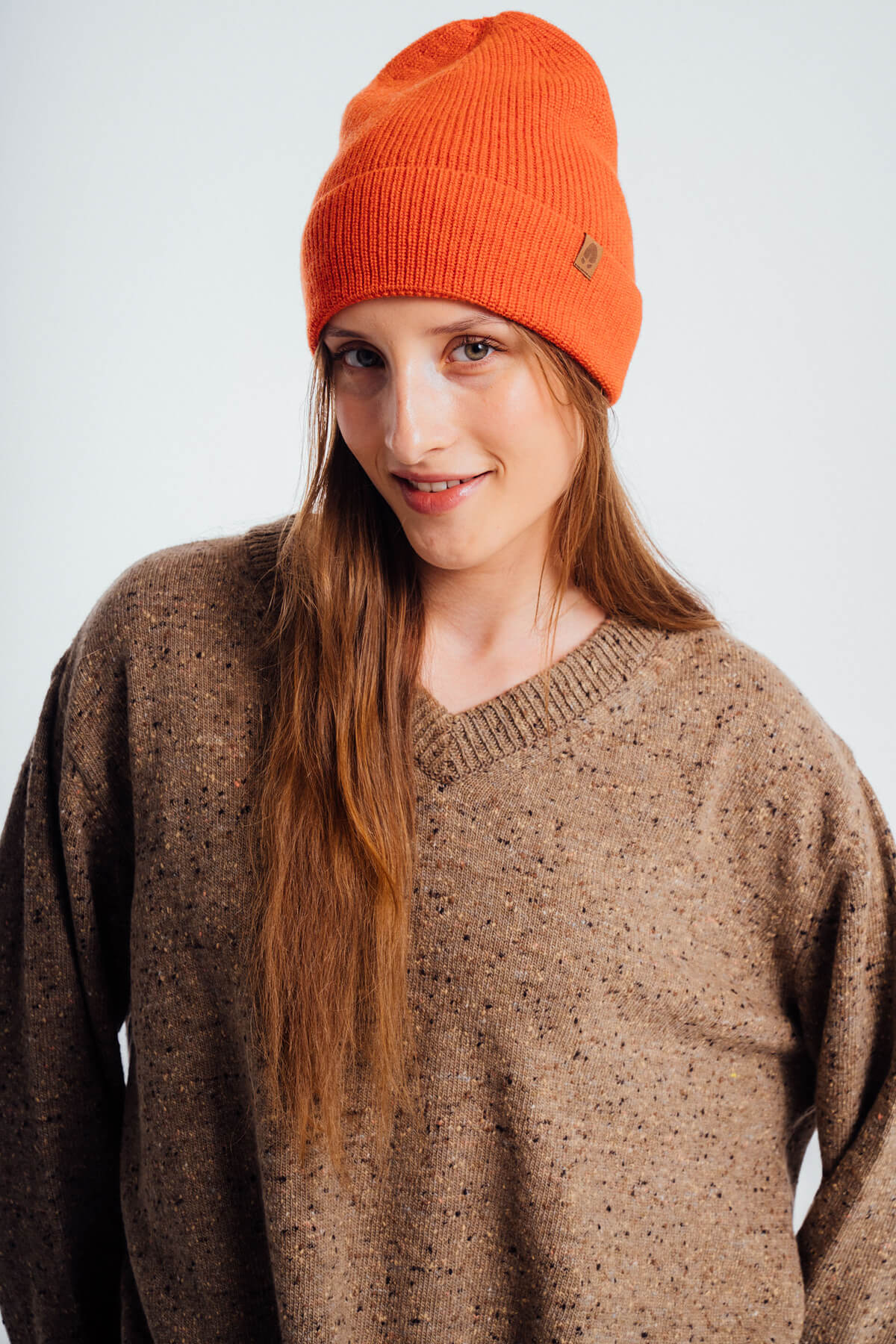
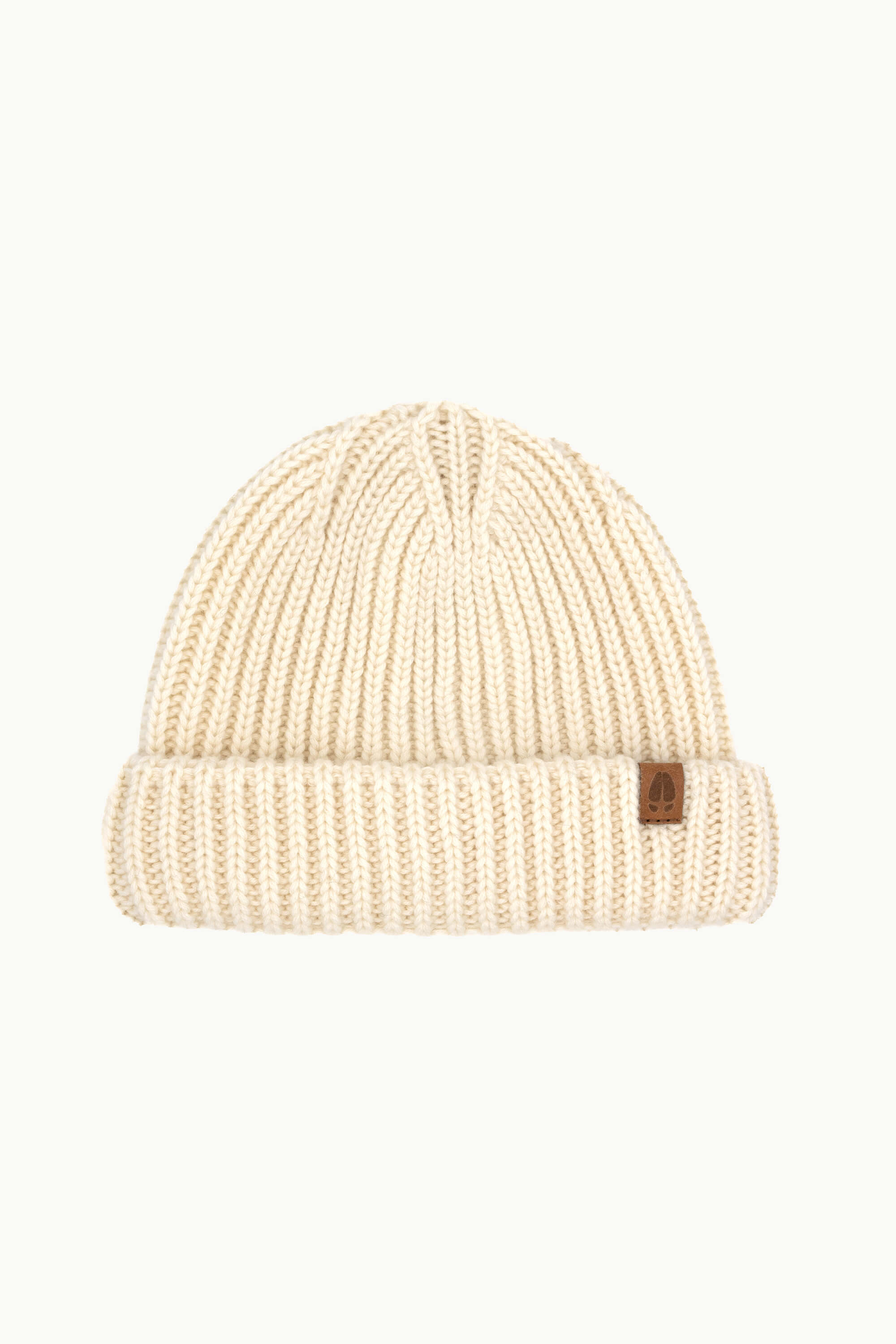
And what about wool? Sheep do not wash themselves very often. And their fleece looks good despite mountain winds and large changes in the temperature of the environment where they live. Your wool hat will therefore last a long time without washing. Even if you lead a very active lifestyle.
And when the time comes, you can care for your woolen item in an eco-friendly and simple way. Usually, simply airing it out is enough. This saves a lot of water.
Eco-friendly wool clothes decompose quickly.
You certainly know how long plastic takes to decompose. The same applies to synthetic fibers used to make clothes. The acrylic mentioned above takes as much as 200 years to decompose!
Wool, on the other hand, can be used to make truly eco-friendly clothes. Under compostable conditions, your wool hat will decompose in less than a year. What is more, the processes that take place in wool as it decomposes are beneficial to the soil. Sometimes wool is used as fertilizer.
By choosing this natural material, you are therefore giving the earth a chance to breathe.
Wool is completely renewable.
Eco-friendly clothes are not made from crude oil, whose reserves may eventually run out. And fast fashion is based on this very resource. Most clothes in high-street stores contain materials derived from oil, such as:
- polyester,
- polyamide,
- acrylic.
Wool, on the other hand, is a renewable material. When we shear a sheep, its eco-friendly clothing will grow back within a year or even sooner. And to “produce” it, the animal needs just a few fully renewable things:
- sunshine,
- water,
- grass,
- fresh air.
As you can see, very little is needed to obtain an incredibly valuable fiber cyclically thanks to nature.
Woolen, eco-friendly clothes contain 0% plastic.
Your wool sweaters will not pollute water with microplastics. This is very important!
- 35% of all plastic found in the oceans comes from clothing.
- 44% of people are unaware that their clothes contain plastic.
Unfortunately, even clothes made from synthetic materials that feel incredibly soft to the touch are harmful to the environment. Significant amounts of plastic enter the water when they are washed. However, their particles are too small for wastewater treatment plants to filter them out. This is how microplastics end up in nature.
Clothes labeled “100% wool” do not contain even the smallest amount of plastic. They are therefore safe for the environment. This is all thanks to the fact that wool is a complete fiber. It does not need any synthetic additives, and eco-friendly clothes can be made from it.
Eco-friendly wool clothes come from happy sheep.
When looking for eco-friendly clothes, you certainly take animal welfare into consideration. After all, animals are part of the environment you want to protect. Perhaps this is why you are worried about buying something made of wool. After all, wool is an animal-derived product. And from an ethical and environmental point of view, things can get complicated...
Indeed, too many sheep farmers treat their animals poorly. One of the objectionable practices is the so-called “mulesing” - removing strips of skin from sheep's buttocks to prevent larvae from developing. Unfortunately, animals are not protected from the pain during the procedure, which can last for up to 2 days!
Fortunately, you can easily find woolen clothing produced without this cruel method. Look for manufacturers who declare that their wool is “Mulesing Free”.
Choose certified wool.
Unfortunately, wool does not always result in eco-friendly clothes. Even the purest fiber can be damaged by harmful dyes or energy-intensive processing.
When buying wool clothing, pay attention to certifications. The ones that guarantee the best wool are:
- WOOLMARK, which indicates that the wool is 100% natural, renewable and biodegradable and comes from live sheep. Only undamaged and clean fibers can receive this certification. In addition, for products with this certification, it is known how their production looked at every stage.
- Oeko-Tex 100, which guarantees that the fiber is safe for human skin and does not contain any harmful substances.
In addition, check whether the clothing you are buying is made from Merino Extra Fine wool. This type of wool is soft, durable, absorbs and releases heat. It simply stands out for its quality.
Eco-friendly clothes made from wool? Absolutely!
As you can see, truly eco-friendly clothes that also impress with their quality do exist. They are made from high-quality wool. So choose them with a clear conscience. This way, you are taking care of the planet.
Text prepared by: Dominika Dąbrowska https://ddabrowskateksty.journoportfolio.com