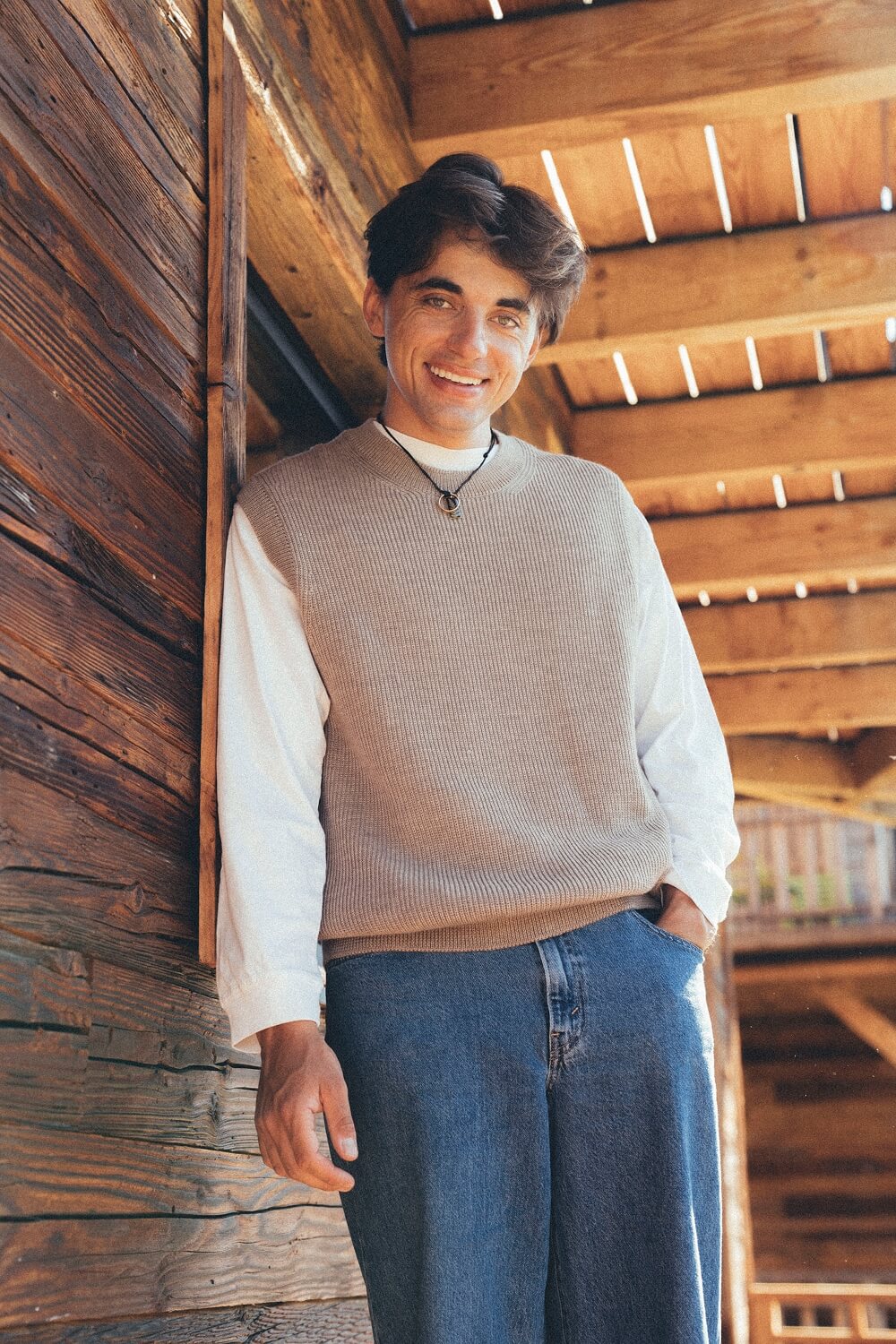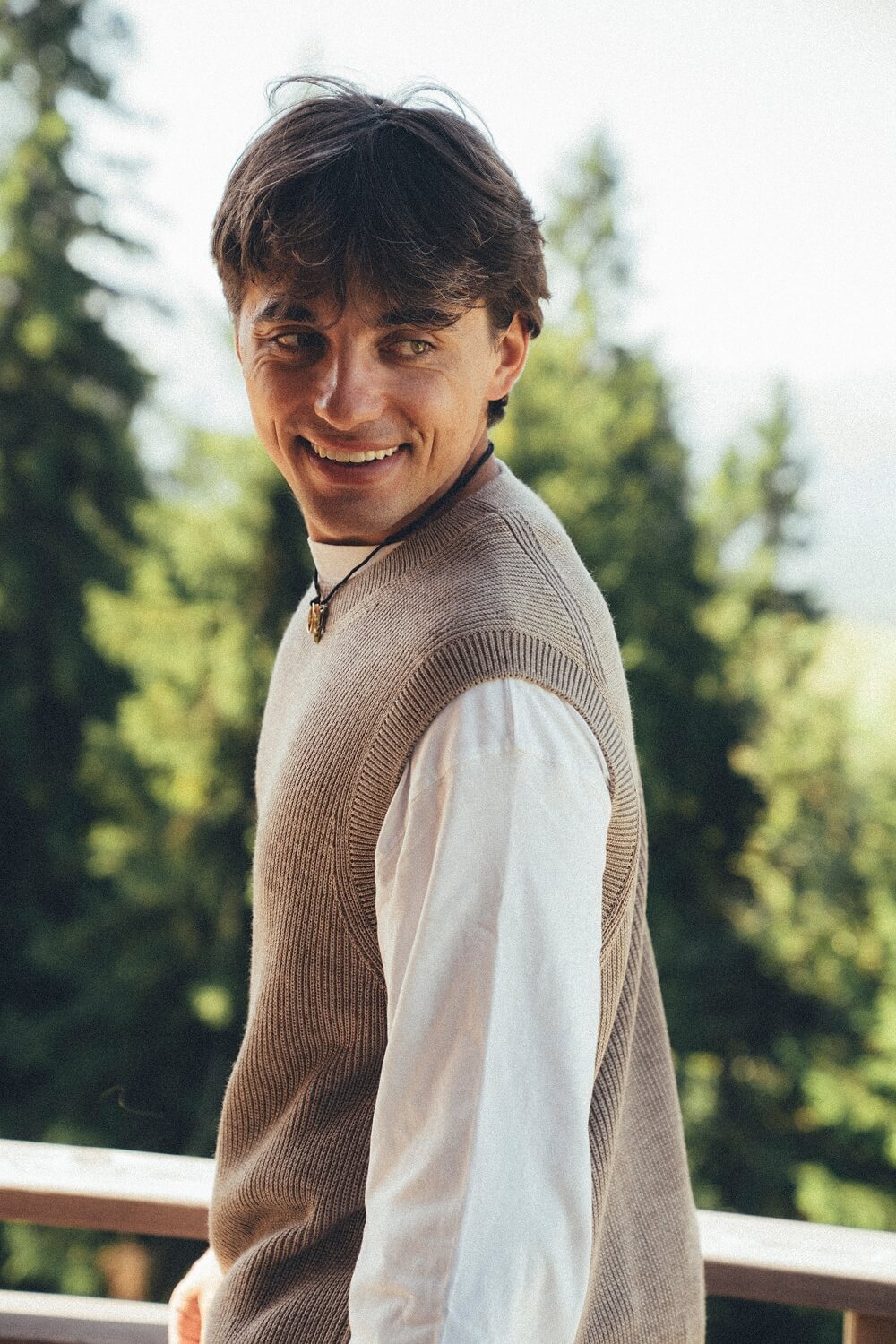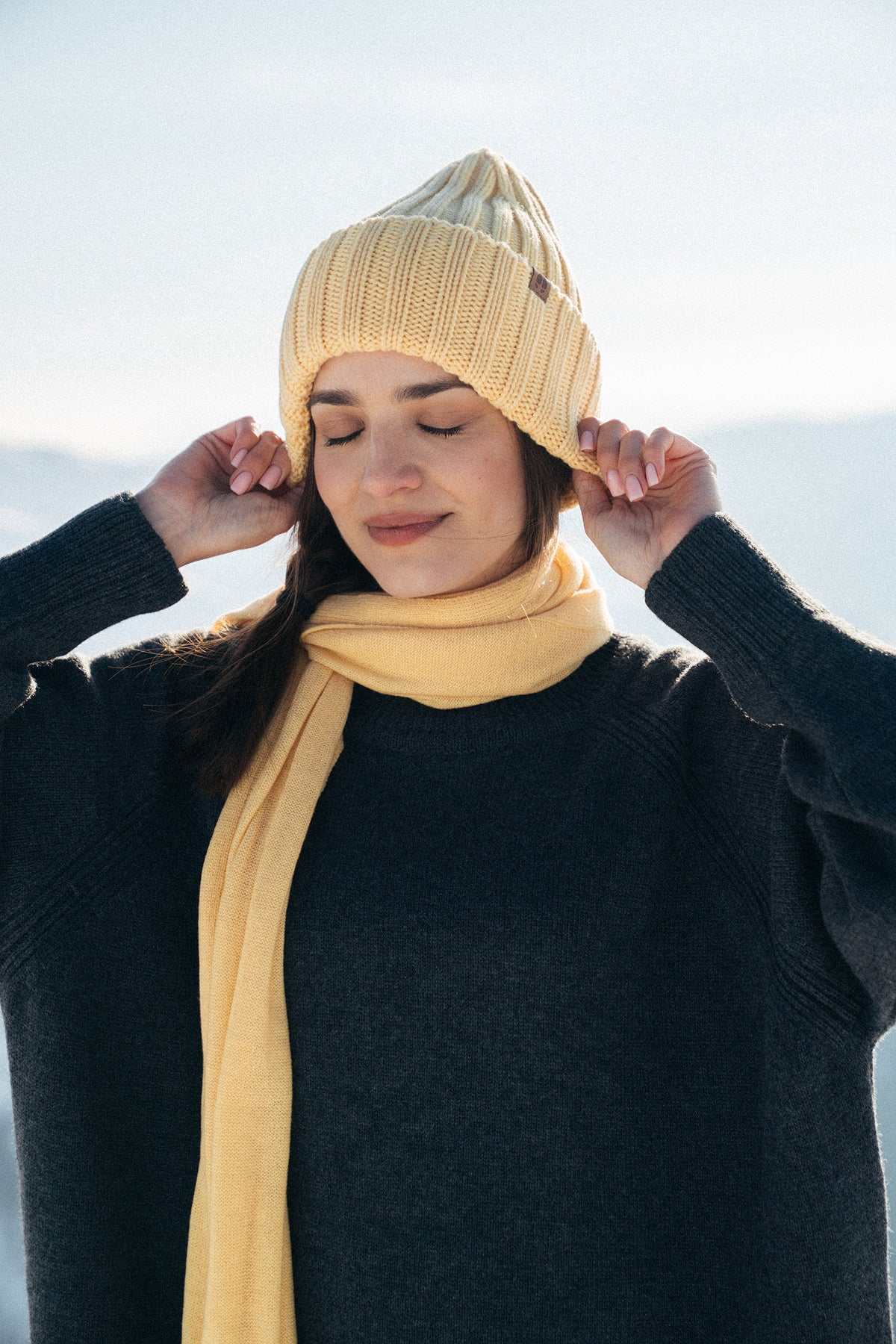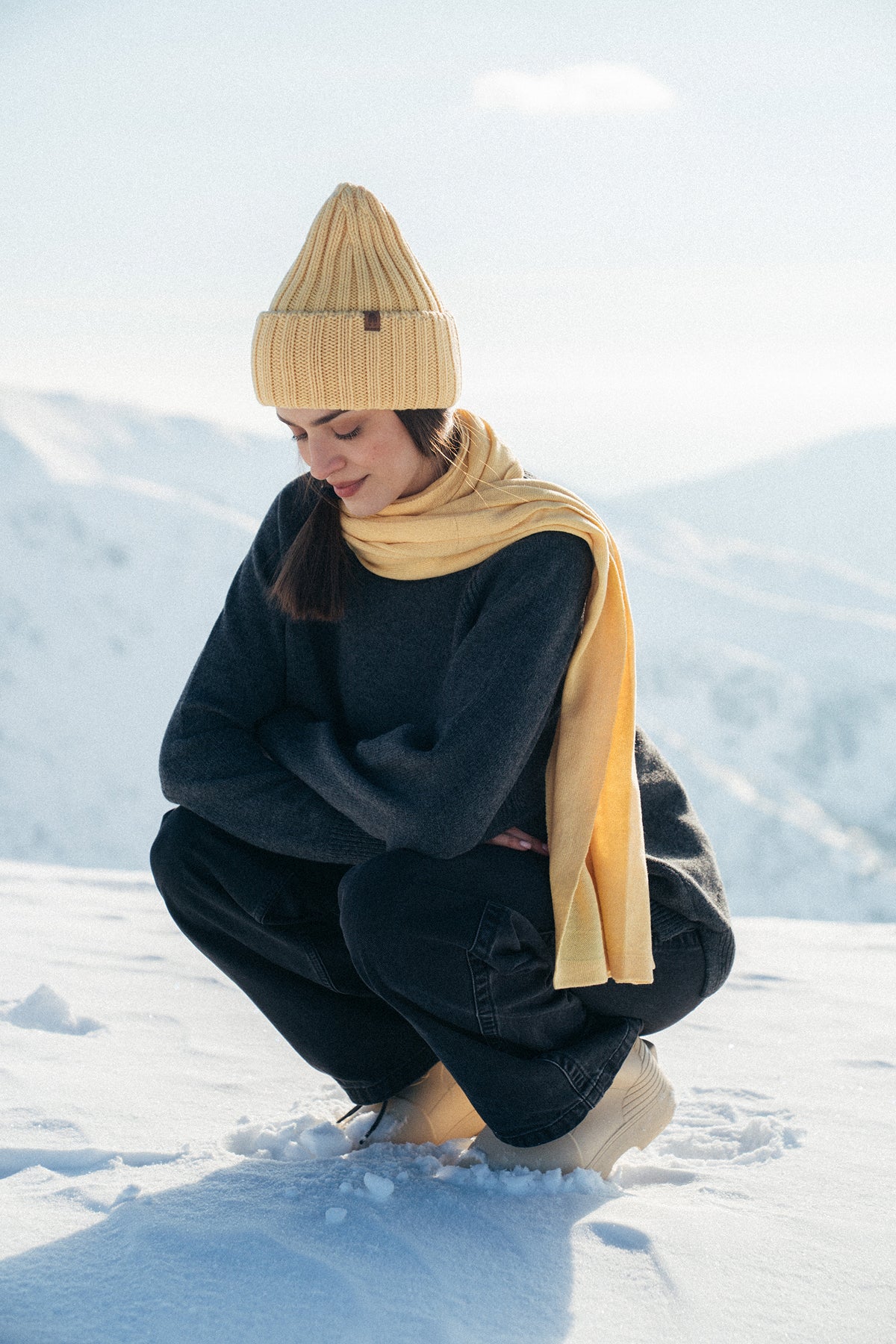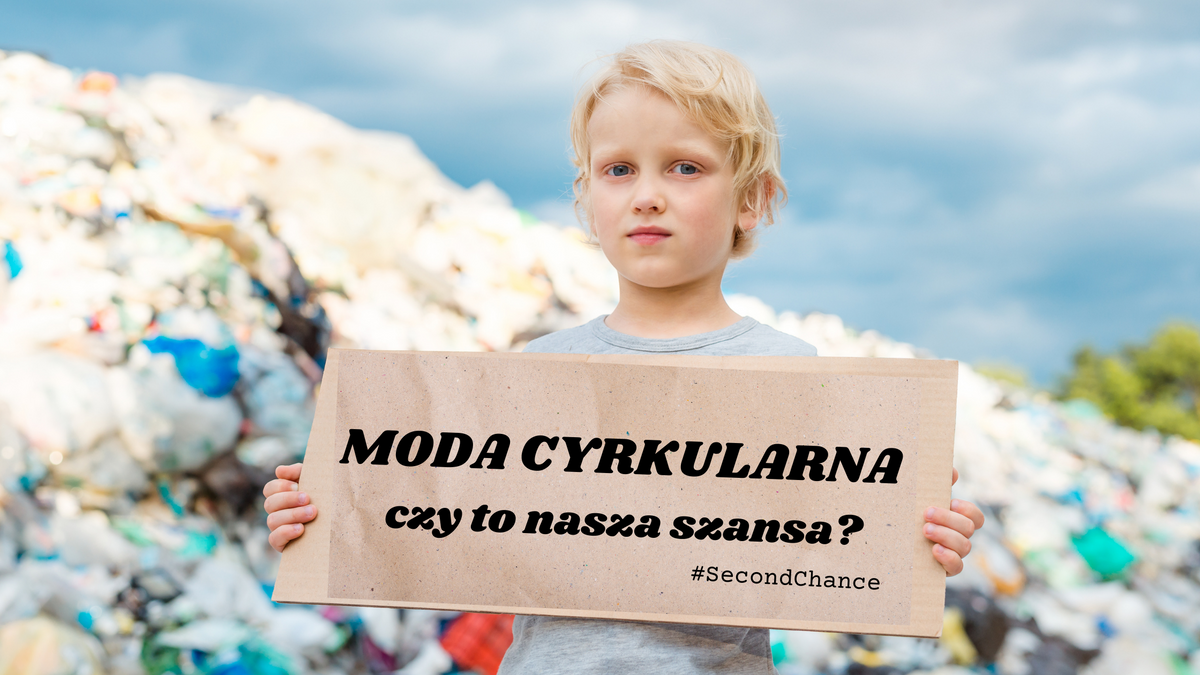
Circular Fashion – SECOND CHANCE
In the future, the circular economy may take over nature’s role in supplying humanity with raw materials. Why are such hopes placed in it? It is estimated that in less than ten years, the world’s population will grow to around 9 billion, and nature will no longer be able to meet the challenge of providing us with the raw materials necessary for life and production. This means that we should start using what already exists on our planet as soon as possible.
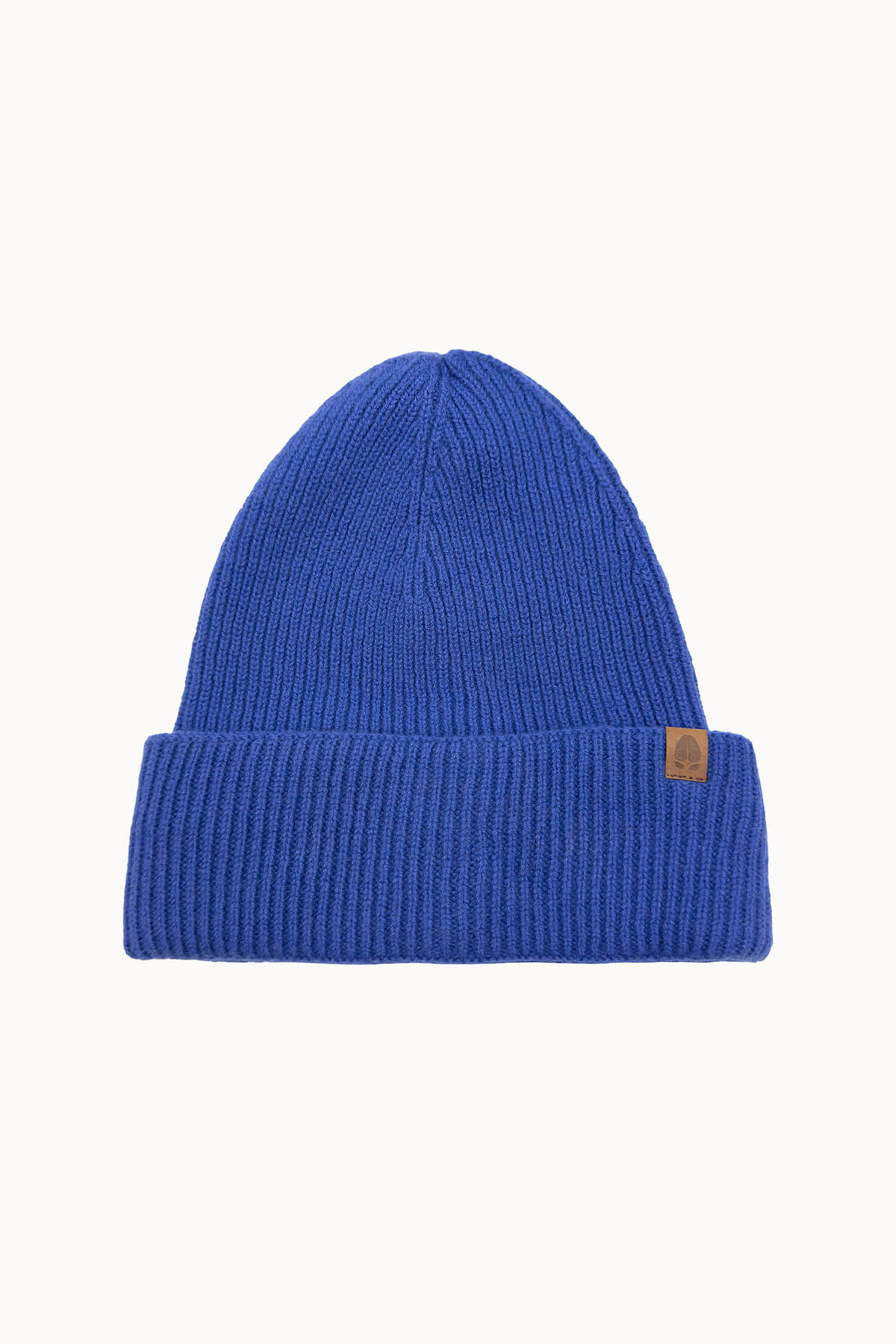
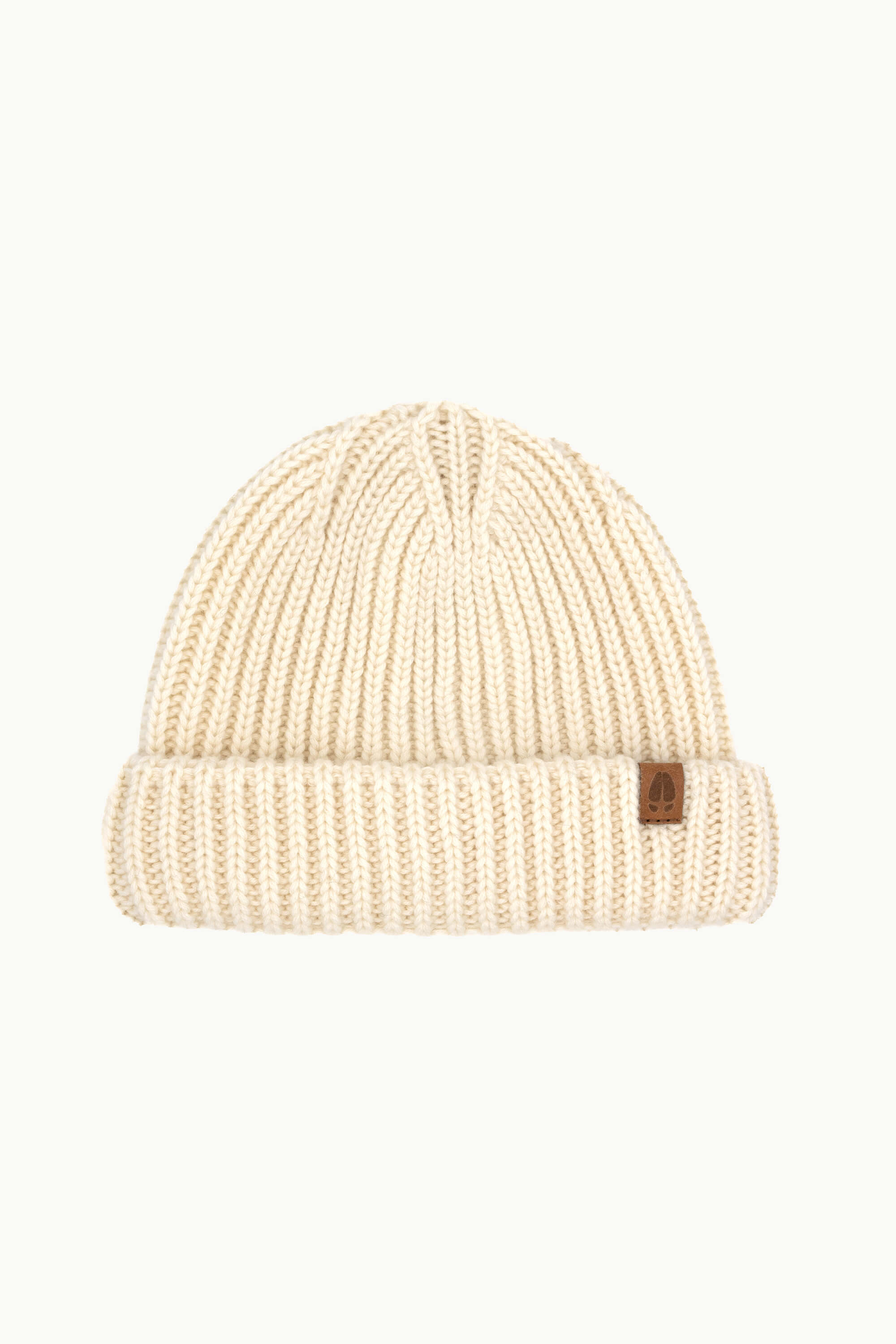
The circular economy, including circular fashion, is part of the broader concept of sustainable development. It is simply forward-thinking. When we create a more sustainable product, for example a woollen hat, we ask ourselves: when this hat has completed its mission of being a hat, can it become something equally useful? Perhaps it will become clothing for an animal, or be transformed into a decoration for a flower pot? And when the time comes, will it retire as toy stuffing and spend the rest of its life with some lovely family? Or will it end up in a compost bin and return 100% to nature without polluting it?
Despite the signing of the “Circular Fashion Commitment” by the Global Fashion Agenda in 2017 (which committed more than 80 brands), still less than 10% of global clothing distribution is based on circular principles, while as much as 90% contributes to increasing the amount of waste. It is estimated that we currently consume 400% more clothing than 20 years ago!
IT IS HIGH TIME TO CHANGE THIS AND GIVE CLOTHES A SECOND CHANCE!
What is circular fashion?

Simply put, circular fashion is the opposite of linear fashion, used in fast fashion (i.e. high-street chain stores), which operates according to the shortest linear model (linear economy):
FAST FASHION: 1. produce 2. use 3. throw away.
Circular fashion is the opposite of the above and, at the same time, an extension of the model based on recycling. Circular fashion is a model in which textiles circulate within a so-called closed loop:

USE is the key word in circular fashion. The next processes involve transforming and converting potential waste into new raw materials. The idea is that through a looped series of processes, fashion products are designed with long-lasting durability, non-toxicity, biodegradability, recyclability and reusability in mind. This means that the circular model belongs to a family of concepts such as sustainable, responsible and ethical fashion.
“The future of fashion is circularity. It has to be.” - Stella McCartney

“The idea is to keep the product in the cycle for as long as possible so that it does not become waste, and to limit the production of new raw materials.” - Ewelina Antonwicz
CIRCULAR FASHION IN POLAND
In Poland, circular fashion is primarily implemented through modernised forms of second-hand shops, such as Klamoty from Gdańsk, Klunken Vintage and Crush from Warsaw. Through social media and online stores, these shops prove that the era of boring and unattractive second-hand clothing stores is over, and that wearing second-hand items can be cool. Second-hand shopping is making a comeback all over the world. In the town of Eskilstuna, Sweden, there is the ReTuna shopping centre, which provides consumers exclusively with second-hand goods. The place is extremely popular thanks to its neat and tasteful design, interesting and original selection, atmospheric music and even regular art exhibitions.
CIRCULAR FASHION, KOPYTO AND SECOND CHANCE
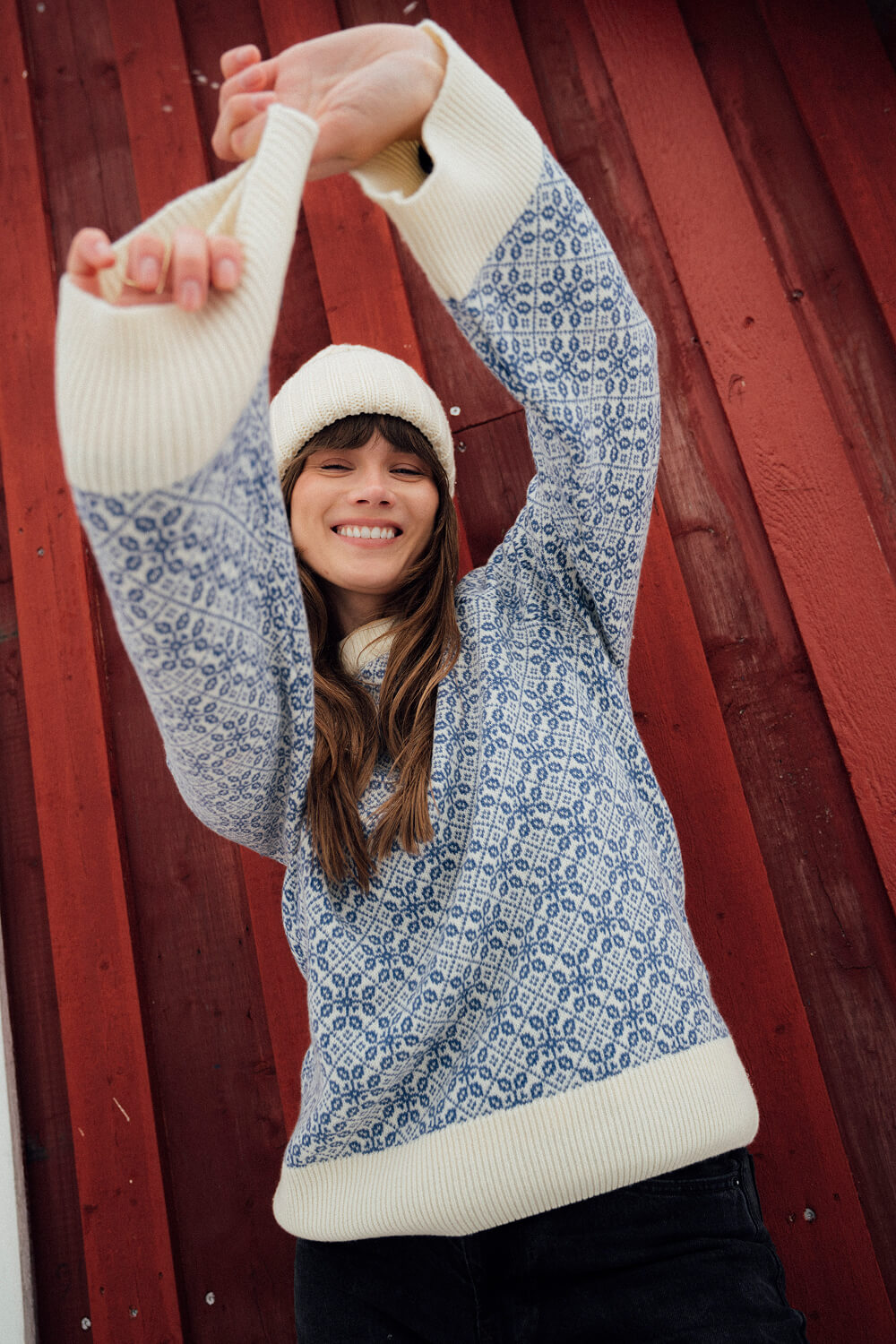
Circular fashion is also no stranger to our company. At KOPYTO, we want our products to have a long life and to make full use of their potential. From the very beginning, we have created them with reuse and environmental friendliness in mind. We operate according to the principles of sustainable development, which is why our products do not “die” - we come up with new lives for them, for example, we turn used hats into patchwork blankets, and sweaters into pet beds, which we fill with leftover wool from production (wool scraps are also used to fill toys). In line with the philosophy of circular fashion, in our vision of the future, every material and product goes into use after being produced, and once it has fulfilled its purpose, it is reused, transformed and repurposed.
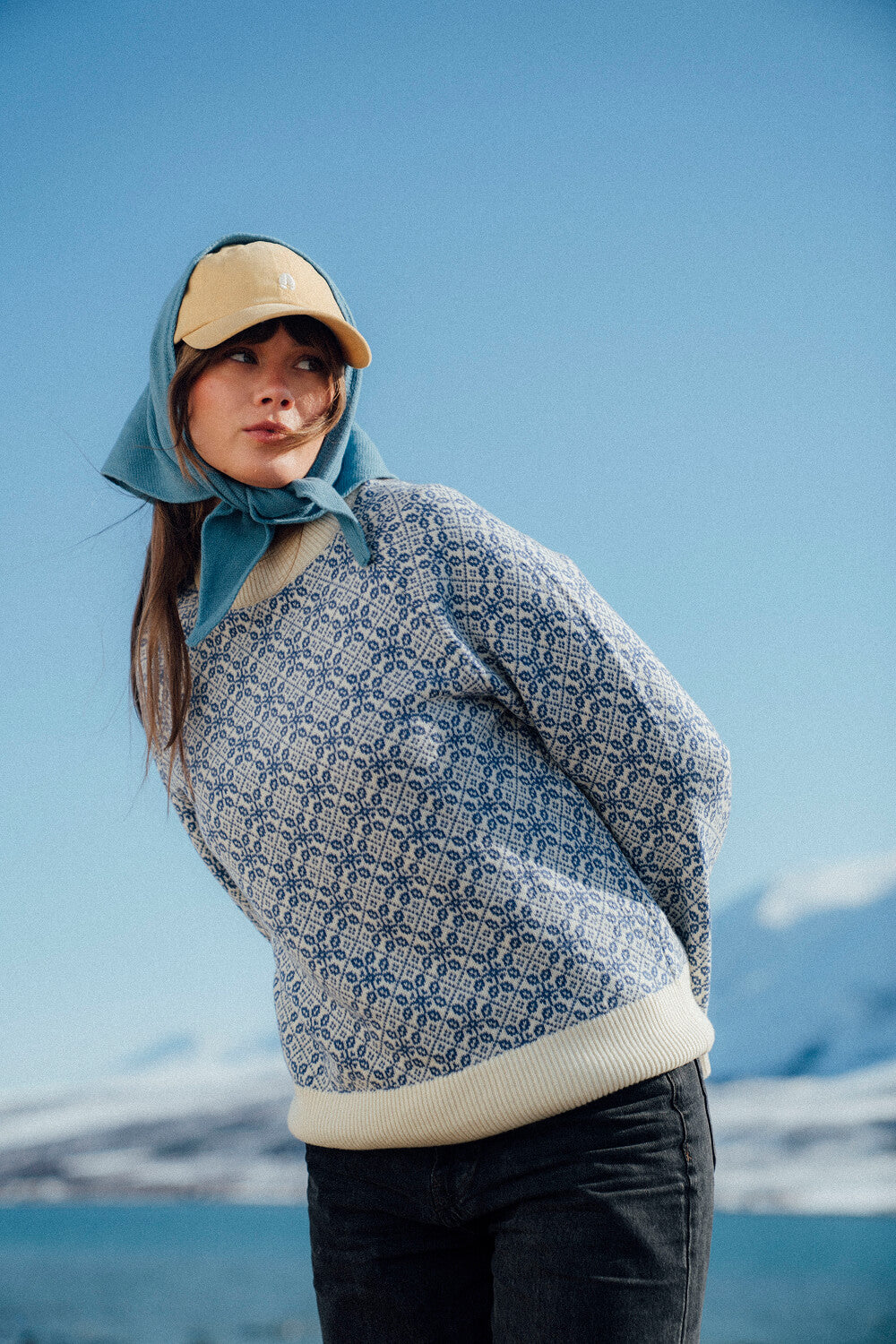
The latest “Second Chance” collection of caps is based on the idea of circular fashion. As always, keeping the well-being of the planet in mind, we have made sure that our caps will serve you for years, thanks to the highest quality of the corduroy used, which is 100% natural - 100% cotton. To close the loop in the cap-making process, we recover the visors and fasteners from caps once you have worn them out. We will be happy to take them back and give them a new life, and you certainly will not go unrewarded for helping to care for a better and greener future :) Cotton is an easily recyclable material that can be effectively recycled and, when heavily worn out, can also biodegrade.
WE RECOMMEND - ways to give old clothes a “second chance”:
-
Donate them to an organisation supporting people in need - in Poland, an excellent place to do this is the Ubrania Do Oddania project - they turn unwanted clothes into financial donations that go to NGOs cooperating with them. For more information, visit here
- Donate them to a charity shop - clothes, textiles, but also often household items and books, can also be donated to charity shops. Each of them clearly communicates the causes to which the proceeds from the sale of donated items are allocated.
- Give them to a specialist company - across Europe, there are many non-governmental organisations that accept used clothing and footwear and cooperate with companies specialising in textile sorting and recycling - an example of such a company is Wtórpol (they operate, among others, the PCK collection containers for clothing, footwear and textiles)
- Support research. Invest in initiatives supporting circular solutions such as Fashion for Good and Good Fashion Found
What do you like most about the closed-loop model of circular fashion?
What we like most is that, by definition, it never ends and that almost nothing is wasted. This is why we support this approach to the economy and strive to design sustainable products in accordance with closed-loop principles. We use natural and safe materials, treat people and nature with respect, and use renewable raw materials, thanks to which recycling rates are steadily increasing. We also recommend that you pay attention to these things and join those working within the circular economy :)