Does Merino Wool Itch? Exploring Wearing Comfort

Does merino wool itch? This is one of the first questions that comes to mind when someone considers buying a garment made from this material for the first time. Wool has long been associated with warm, but sometimes scratchy sweaters. Merino wool, however, offers a completely different experience in this respect.
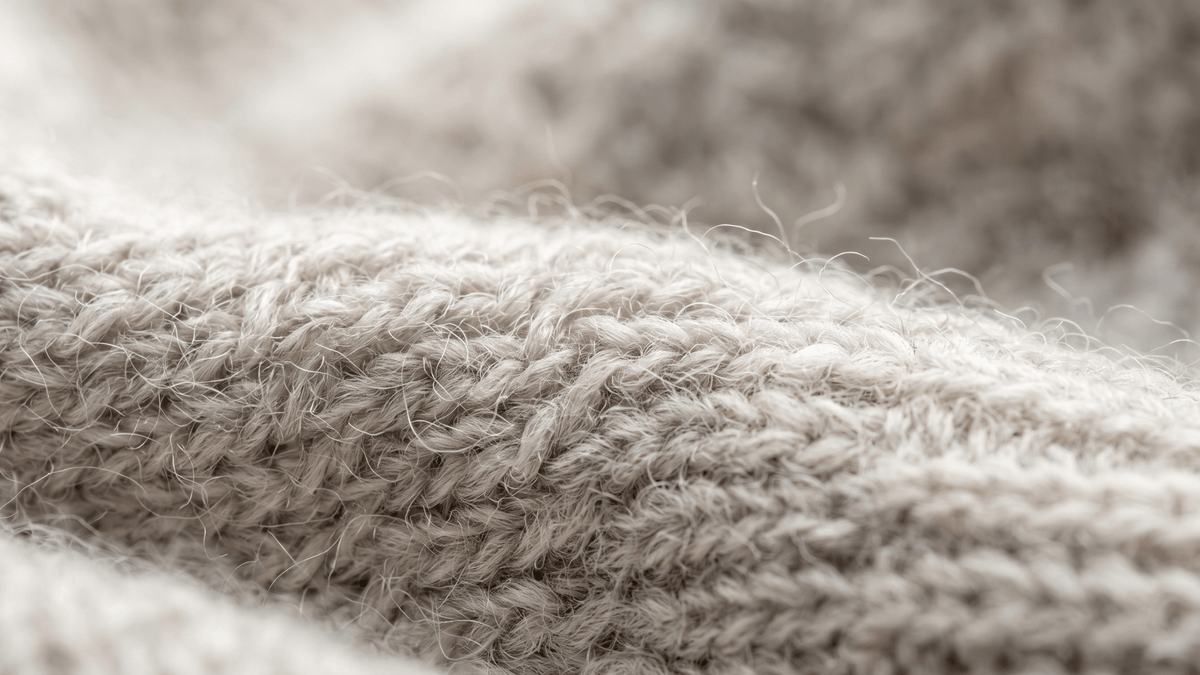
Merino wool is now considered one of the most valued natural fibres. It comes from the unique Merino sheep breed, whose fleece is characterised by exceptionally fine fibres. It is the diameter of the fibre that makes a huge difference to comfort. The finer the wool fibres, the more easily they bend when they come into contact with the skin, resulting in less of a scratchy sensation.
That is why the answer to the question “does merino wool itch?” cannot simply be “yes” or “no”. High-quality, fine merino is generally very comfortable against the skin. However, the specific material, fibre diameter and, of course, individual skin sensitivity all matter.
If your experiences with wool have been mixed, you are wondering whether wool clothing is right for you, or you are not sure which parameters to look for, we are here to clear things up. Read on to find out what microns mean, what affects the softness of wool and which of the softest options you can find in our range.
Why does some wool feel scratchy?
So where does the idea that wool is itchy come from? The cause is not wool itself as a raw material. Research indicates that the prickling and itching sensation is primarily related to fibre thickness. Thicker fibres are stiffer and can press more strongly against the nerve endings in the skin.
This means that a similar sensation can also be caused by a thick fabric made from fibres other than wool. One review of research found that irritation may be associated with fibres around 30–32 microns in diameter or thicker, regardless of the type or origin of the fibre.
Traditional wool tends to contain thicker fibres, which is why it may feel rougher. This does not mean, however, that every type of traditional wool will cause irritation.
So, does merino wool itch? Merino fibres are usually much finer. Merino wool intended to be worn directly against the skin often has a diameter below 19.5 microns, while superfine merino can measure 17.5 microns or less. Fibres this fine bend more easily instead of pressing stiffly against the skin.

| Fibre diameter | How the material may feel | Typical use |
|---|---|---|
| ≤ 17.5 µm | Very fine and soft, suitable for direct contact with the skin | Underwear, T-shirts, lightweight layers |
| 17.5–19.5 µm | Soft and pleasant to the touch, generally well tolerated by sensitive skin | T-shirts, sweaters, everyday and sportswear |
| 19.5–22 µm | Still comfortable, but may be more noticeable against the skin | Sweaters, sweatshirts, outer layers |
| > 22 µm | Thicker fibres that may cause more of a prickling sensation for some people | Heavier knits and garments worn with a layer underneath |
It is worth remembering that these values are not a strict measure of whether a particular material will feel “scratchy”. Comfort is also affected by the construction of the knit or fabric, the type of yarn, the finishing process and individual skin sensitivity.
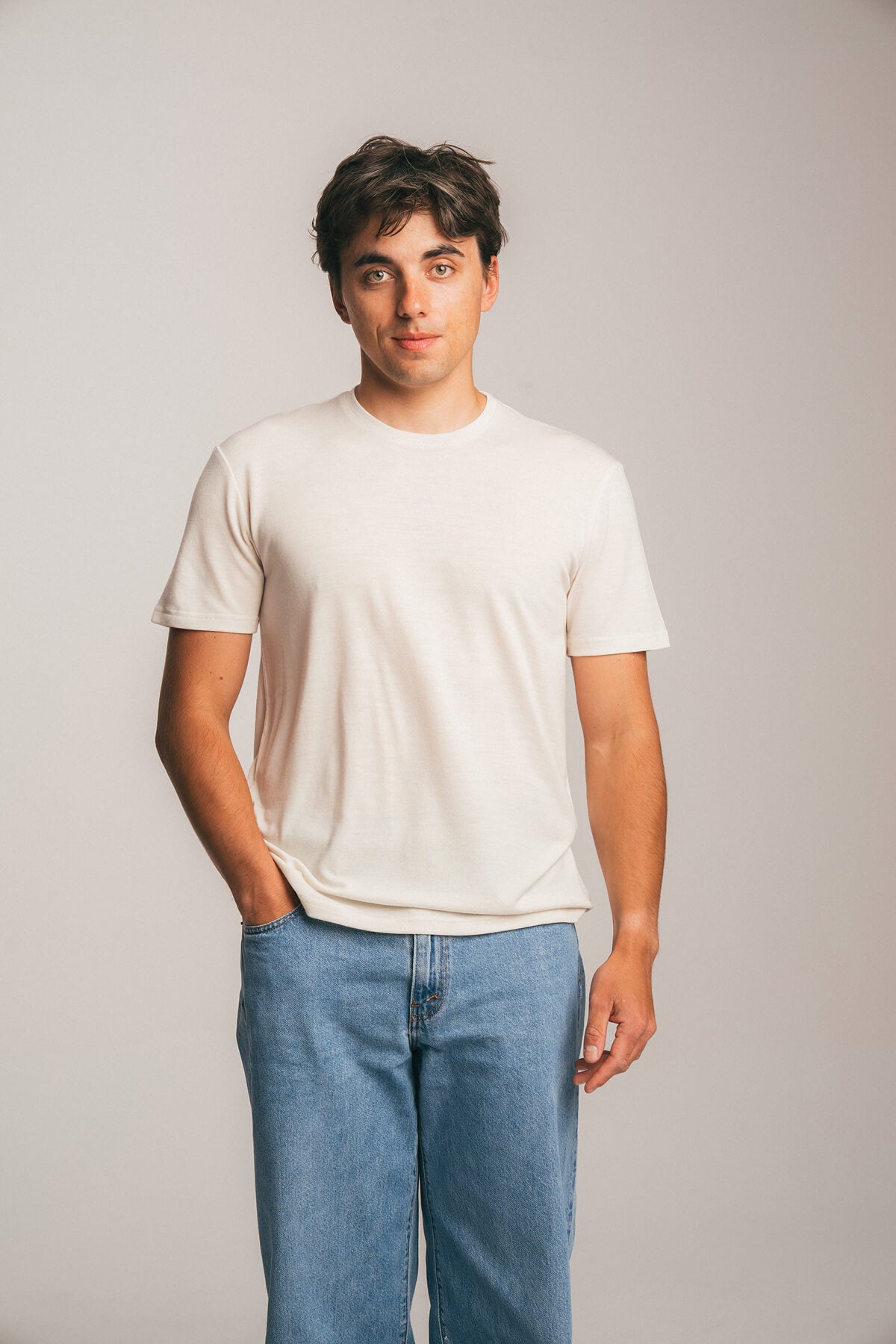
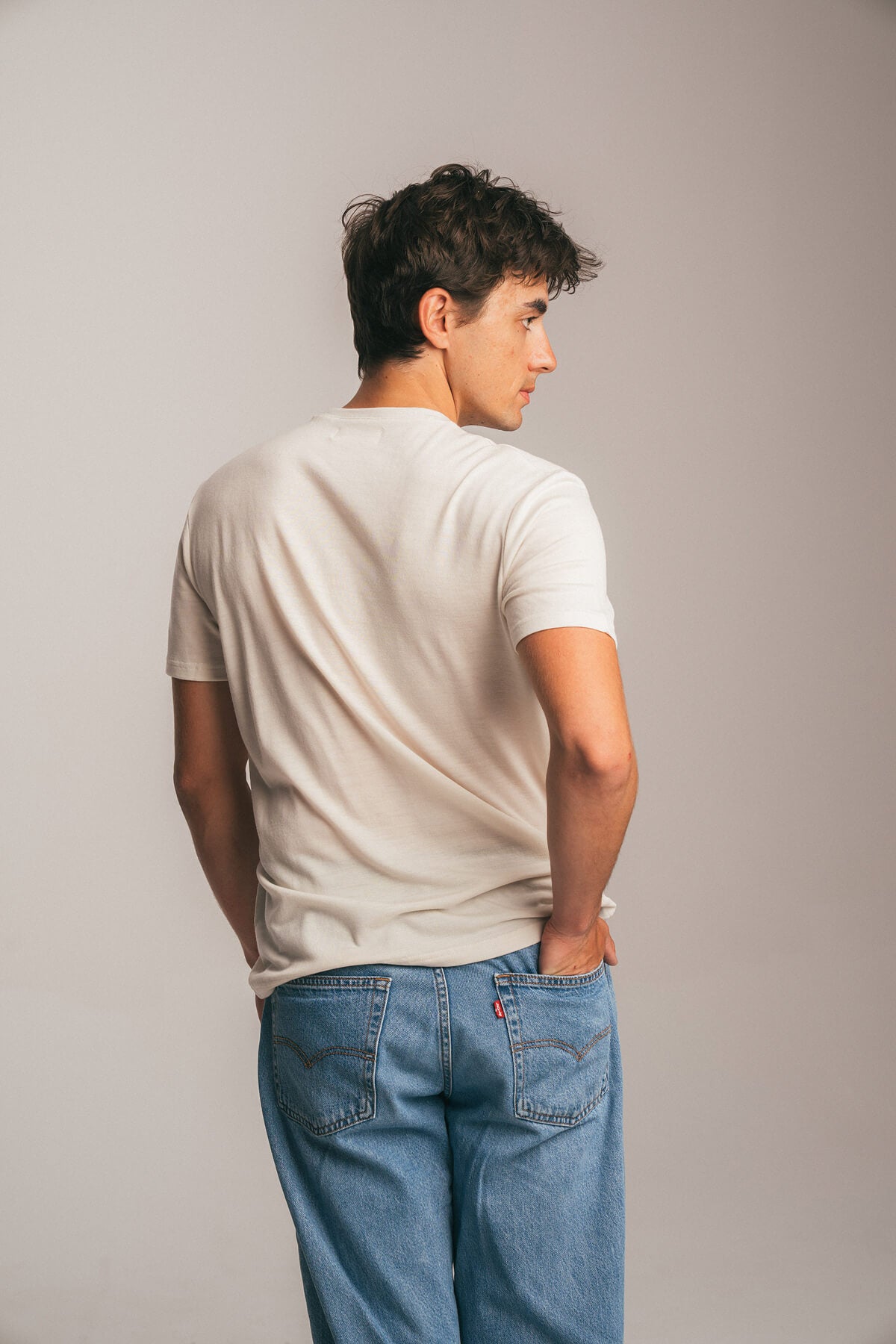
At Kopyto, we clearly specify the micron count of all our products. We refer to this as the softness parameter, because it directly affects how the finished product feels to the touch. One of our softest styles is the PANTERA sweater, which measures just 16 microns. Pantera is ideal for those with sensitive skin. If you are looking for exceptional softness, our wool T-shirts and other products designed for active people and those with sensitive skin are also a great choice. See here. Psst, you can even filter our products by micron count on our website!
So, does merino wool itch? Most often, it should not if the fibres are fine enough. If a particular merino wool garment causes discomfort, however, it does not mean that every merino wool garment will feel the same.
What determines the softness of merino wool clothing?
As we have already mentioned, the most important factor is the fibre diameter. Merino wool can vary in thickness, and this affects how the material feels against the skin. Woolmark states that merino fibres typically range from less than 17.5 to around 22–24 microns, with finer varieties used, among other things, for layers worn directly against the skin. That is exactly how we use them too.
These fine, flexible fibres are what give merino its exceptional softness. Merino fibres bend easily and move with the body, which makes the material pleasant to the touch. This often gives it an advantage over stiff synthetics, while its comfort against the skin is comparable to cotton.
Comfort is also influenced by the construction of the knit or fabric, the type of yarn and the finishing process. Simply knowing that a product is made from merino does not tell you everything. Two garments containing merino wool can feel very different against the skin.
That is why, when choosing merino wool clothing, it is worth checking the manufacturer's information about the type and thickness of the fibres. At the same time, there is no reason to assume that the word “wool” automatically means a rough material, as has often been the case in the past.
At Kopyto, we value merino precisely for its combination of softness and properties that are difficult to find in a single material. Wool is breathable, helps regulate body temperature and manages moisture exceptionally well. Its natural structure allows merino wool fibres to absorb up to 35% of their weight in moisture while helping maintain comfort in changing climatic conditions.
That is why merino is suitable not only as warm clothing for cold days, but also in warmer weather, sportswear and during intense activity. The material can help reduce the feeling of moisture against the skin and, thanks to its natural antibacterial properties, does not readily retain unpleasant odours. This is a major advantage compared with synthetic materials. Merino also does not generate static electricity, so it attracts less dust and dirt.
Is merino suitable for sensitive skin?

This is an especially important question for people with allergies and simply for those with sensitive skin. Does merino wool itch for people who do not tolerate traditional wool well? Not necessarily. Fine merino fibres are often chosen for clothing worn directly against the skin, and fine merino is sometimes recommended for people with very sensitive skin, including babies.
It is important, however, to distinguish between two things: mechanical irritation and an allergy. A current review of research does not indicate that wool fibre itself is a typical skin allergen. The itching and scratching sensation, on the other hand, is primarily associated with thicker fibres.
This does not mean that everyone will tolerate every merino wool garment equally well. Even a very soft fabric may feel different to people with particularly sensitive skin. Dyes, fabric finishes, detergents and other components of a product can also play a role.
Interestingly, studies involving atopic dermatitis have produced some interesting results. One study involving children aged 4 weeks to 3 years compared superfine merino with standard cotton clothing. The study included 39 children with mild to moderate atopic dermatitis.
Another study assessed people aged 5 and over with mild to moderate atopic dermatitis. While wearing merino clothing, improvements were recorded in several assessed parameters related to disease severity and quality of life.
This does not mean that merino is a treatment for atopic dermatitis or that everyone with skin problems should wear it. It does, however, show that the belief that “all wool irritates the skin” is an oversimplification.
If you have very sensitive skin, it is worth choosing fine merino designed to be worn directly against the body. Proper care can also help. Gentle washing according to the care label helps maintain the material's properties when properly looked after.
There is also no need to wash merino excessively often. Wool handles moisture and odours well, so many garments can simply be aired out. If the manufacturer recommends hand washing, it is worth following that recommendation. Depending on the product, machine washing on a wool cycle at the appropriate temperature may also be possible, as water that is too hot can affect the softness of the material.
There is no basis, however, for claiming that every garment labelled Oeko-Tex will automatically be suitable for every person with sensitive skin. Certification relates to specific product safety criteria, but it does not guarantee individual tolerance of the material.
Can children wear merino?
Yes, children can wear merino wool clothing. Particularly fine varieties of merino wool are used in garments designed to be worn directly against the skin.
When it comes to children, choosing the right material is important. A fine, soft knit can feel very comfortable, while thicker fibres may cause a scratchy sensation. Not all wool will therefore feel equally comfortable.
Merino also has properties that work well in children's clothing. It helps regulate body temperature, manages moisture and is breathable, making it a suitable material both in winter and during transitional seasons.
Does merino wool itch for children? Fine superfine merino can be well tolerated even by children with atopic dermatitis, as the studies mentioned above show. This does not mean, however, that every child will react in the same way. If a garment causes irritation, redness or itching, stop using it and investigate the possible cause.
Does merino wool itch? The key facts
Does merino wool itch? Usually not, if it is made from sufficiently fine fibres. It is not the word “wool” itself that determines comfort, but primarily the diameter of the fibres.
Does merino itch? Fine merino fibres bend easily when they come into contact with the skin, which is why they cause significantly less of a prickling sensation than coarse fibres.
Which wool is the least itchy? Very fine merino varieties are generally the best tolerated, especially superfine and ultrafine merino. When choosing a garment, it is therefore worth looking not only at the name of the fibre but also at its specifications.
And what are the disadvantages of wool? Merino is not a material for everyone, and not every merino product will be equally soft. Lower-quality products may also lack exceptional durability. It is also worth checking where the merino wool comes from, as not all wool is sourced ethically.
Wool also requires proper care, and people with particularly sensitive skin may prefer other materials. Caring for it can seem slightly more complicated. Always wash wool in lukewarm water, use gentle detergents and dry it flat.
Well-chosen merino wool clothing is nevertheless one of the most comfortable options for wearing close to the skin. It is lightweight, keeps you warm and helps keep the skin dry even when temperatures rise. It combines softness, breathability, thermoregulation and natural moisture management. These properties are precisely why merino is used both in everyday clothing and sportswear.
And that is why the question “does merino wool itch?” so often ends with the answer: it all depends on what kind of merino the garment is made from.